The European Commission has approved a €103 million (US$125 million) package of direct grants from the government in Romania for battery storage projects.
The financial support in the form of direct grants was announced by the government in November 2022, reported by Energy-Storage.news at time, and will go towards at least 616MWh of battery storage projects.
That is based on a maximum grant/MWh of €167,000. Other thresholds under the scheme are a maximum of €15 million per beneficiary and a maximum of 100% of the project’s funding gap.
Projects will be selected by 31 December, 2023, and need to be completed by 31 December, 2025.
Try Premium for just $1
- Full premium access for the first month at only $1
- Converts to an annual rate after 30 days unless cancelled
- Cancel anytime during the trial period
Premium Benefits
- Expert industry analysis and interviews
- Digital access to PV Tech Power journal
- Exclusive event discounts
Or get the full Premium subscription right away
Or continue reading this article for free
The programme will receive €79 million from Romania’s portion of the Recovery and Resilience Plan, the EU-wide scheme to mitigate the negative economic effects of the Covid pandemic, while the government will fund the rest. Finland and Greece are also using the funding pot to support energy storage projects.
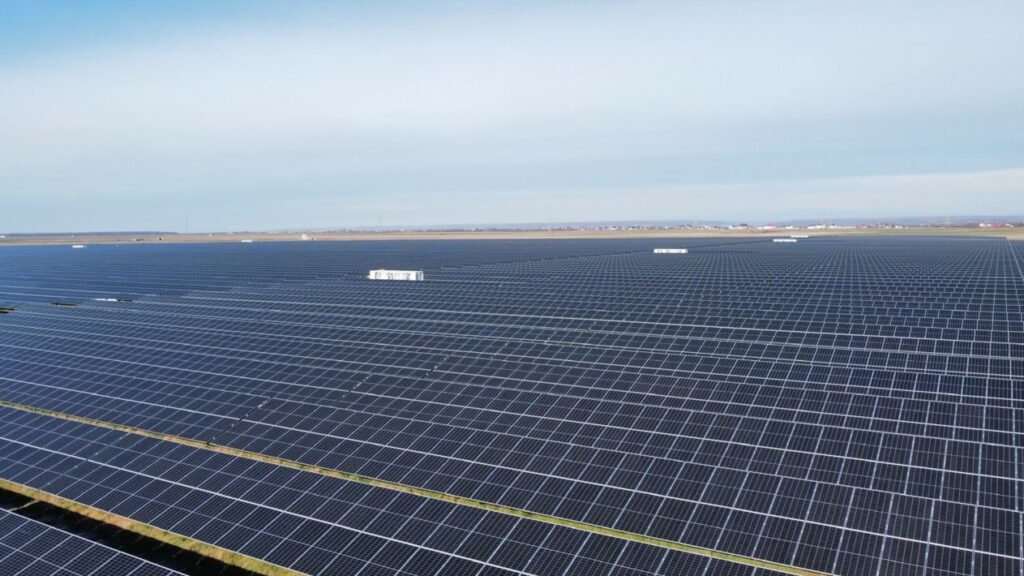
Romania is currently targetting 30.7% renewable generation in its electricity mix by 2030. The country hasn’t had many utility-scale energy storage projects in recent years but a booming solar market is set to help the battery storage follow on. As covered in the most recent edition of PV Tech Power, our sister site PV Tech’s quarterly journal, solar developers are moving into Romania ahead of a new contracts for difference (CfD) scheme.
The first large-scale battery storage system was inaugurated back in 2018 by Portuguese utility EDP’s renewables arm EDP Renováveis while local reports said a 7MW unit started construction in Spring 2022 from Austrian firms Core Value Capital, Gerdan Real Estate and Green Source.
Energy-Storage.news’ publisher Solar Media will host the inaugural Energy Storage Summit Central Eastern Europe in September this year. This event will bring together the region’s leading investors, policymakers, developers, utilities, energy buyers and service providers all in one place, as the region readies itself for storage to take off. Visit the official site for more info.