Utility and independent power producer (IPP) Engie has started construction on a BESS project in Chile with a 5-hour duration.
The firm announced the start of construction on the Capricornio battery energy storage system (BESS) project, which will have a power rating of 48MW and a capacity of 264MWh.
It will be paired with the 88MW Capricornio solar PV plant in the Antofagasta region in the north, which sits within the Atacama desert region, often called the ‘sunniest place on earth’. Engie said the BESS will provide security and flexibility to the National Electricity System (SEN) of Chile once online in the first half of 2025.
Most large solar PV projects in Chile are adding energy storage to mitigate the huge levels of curtailment seen in the last few years, while standalone energy storage projects are being deployed to capitalise on capacity market and broader energy trading opportunities (made possible by a new bill passed in late 2022).
Try Premium for just $1
- Full premium access for the first month at only $1
- Converts to an annual rate after 30 days unless cancelled
- Cancel anytime during the trial period
Premium Benefits
- Expert industry analysis and interviews
- Digital access to PV Tech Power journal
- Exclusive event discounts
Or get the full Premium subscription right away
Or continue reading this article for free
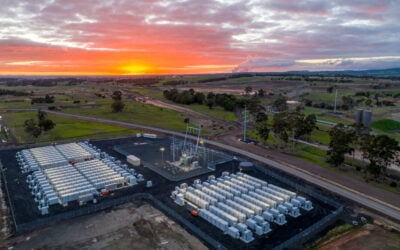
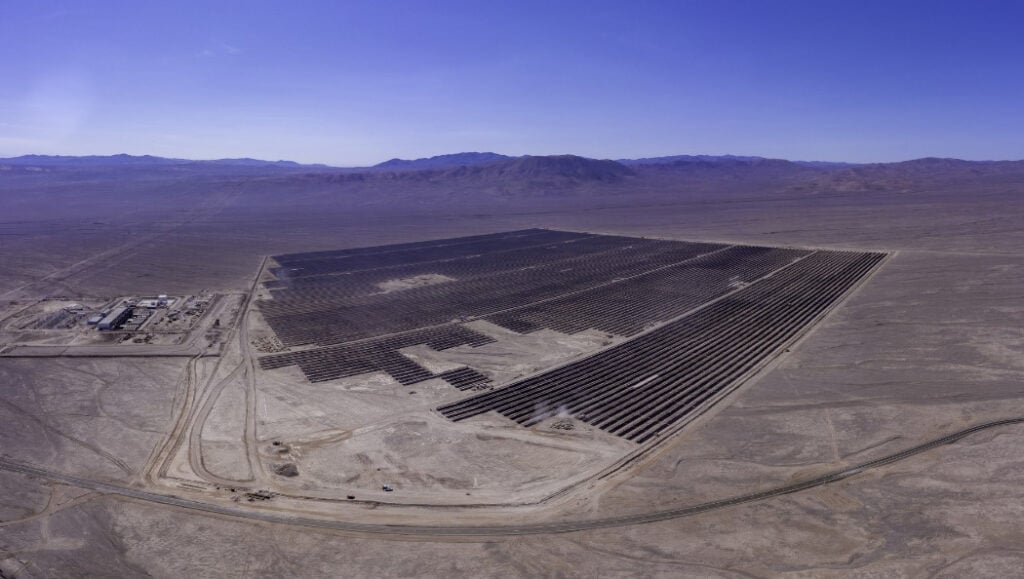
Engie is also adding a BESS to the nearby Tamaya Solar project also in Antofagasta, pictured above. Inverter and BESS firm Sungrow is providing the batteries for that project while the Capricornio supplier was not revealed. It will be made up of 96 containers meaning a capacity per container of 2.75MWh.
Its third project is the Coya BESS, and its largest in the country at 638MWh, also provided by Sungrow and set to come online in the first half of 2024. The three will total around 1.3GWh of energy storage capacity in Chile, while Engie, which is headquartered in Paris, is targeting 10GW of energy storage globally by 2030.
Chile is also the site of a BESS project which IPP Grenergy has claimed as the largest in the world, with the first 1.1GWh of capacity of a total 4.1GWh secured from BYD last month.