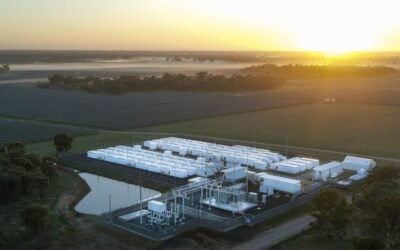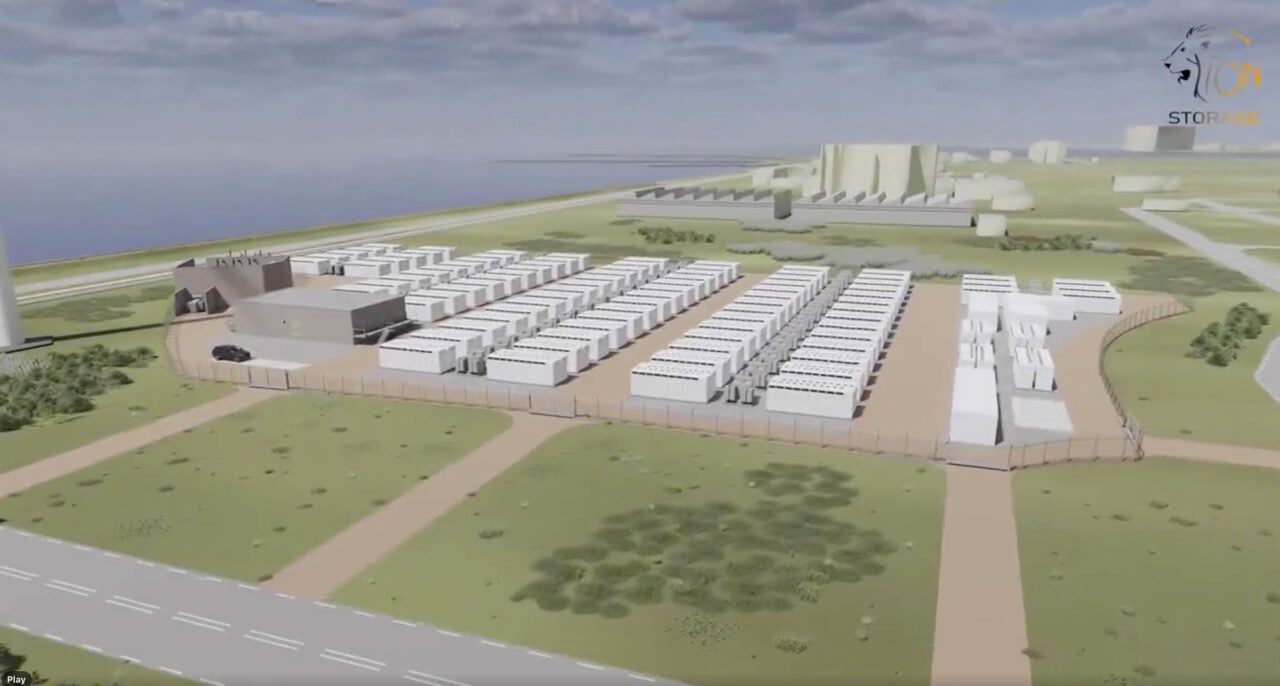
Battery energy storage system (BESS) project developer Lion Storage is planning a 364MW/1,457MWh project in the Netherlands for operation in two years’ time.
Lion Storage announced the Mufasa BESS project last week (16 February), which it said would be the largest BESS in the country once operational in 2026.
Like the country’s two largest operational BESS projects, it will be located in the Vlissingen port area, one of the Netherlands’ new ‘energy hubs’, Lion Storage said. Energy-Storage.news interviewed the owner of both of those projects, SemperPower, recently for a Premium article.
Lion said the location gives it direct access to the high-voltage network operated by the country’s transmission system operator TenneT.
Try Premium for just $1
- Full premium access for the first month at only $1
- Converts to an annual rate after 30 days unless cancelled
- Cancel anytime during the trial period
Premium Benefits
- Expert industry analysis and interviews
- Digital access to PV Tech Power journal
- Exclusive event discounts
Or get the full Premium subscription right away
Or continue reading this article for free
Energy-Storage.news has asked the company what progress has been made on the Mufasa project, considering it has been listed on its website for over a year with the same commercial operation date, and will update this article when a response is received.
Announcing the news on Linkedin, Lion Storage said: “Operating on a full merchant basis, Mufasa will be active in all wholesale power and ancillary services markets, facilitating further integration of renewable power on the power grid, while offering system services ensuring system balance, grid stability and long term security of supply.”
We interviewed Lion’s CTO Jeroen Althoff at the Energy Storage Summit EU last year, at which he discussed the company’s plans and the major challenges in the Netherlands’ energy storage market.
A render of the Mufasa project on Linkedin showed it being comprised of Tesla Megapacks.
Energy-Storage.news’ publisher Solar Media will host the 9th annual Energy Storage Summit EU in London, starting tomorrow: 20-21 February 2024. This year it is in a larger venue, bringing together Europe’s leading investors, policymakers, developers, utilities, energy buyers and service providers all in one place. Visit the official site for more info.