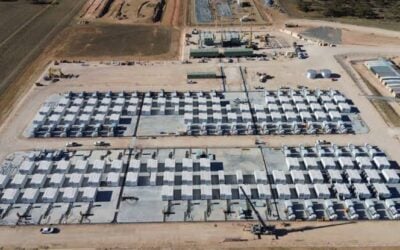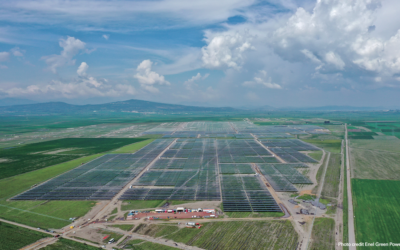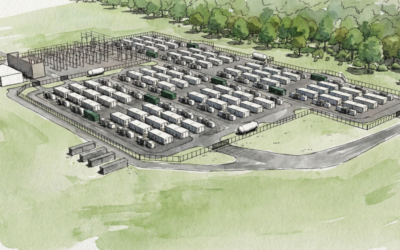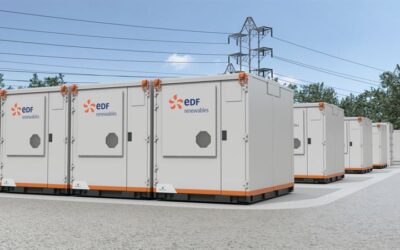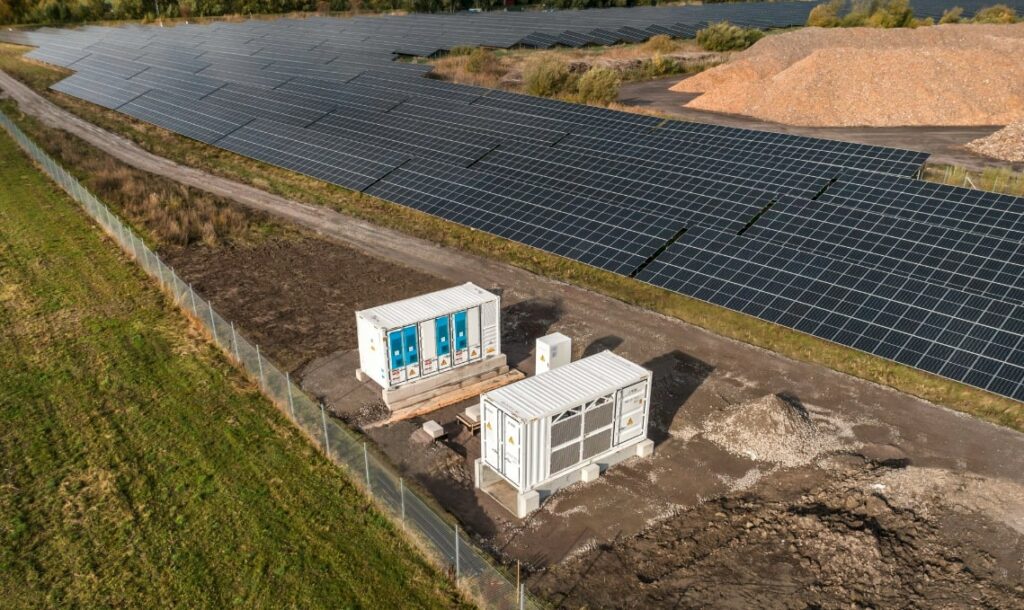
Developer Sustainable Energy Solutions Sweden (SENS) has signed a long-term land lease for a 15MW PV, 50MW battery energy storage system (BESS) project in Sweden.
SENS has secured the land for the early-stage project near Katrineholm, Sörmland. The developer said the target is for the BESS plant to achieve a capacity of 50MW and 15MW for the solar array.
The two parts of the project do not appear to share a grid connection, with SENS saying the project totals 65MW of power.
It brings the developers portfolio of projects with land leases to 330MW of BESS and 75MW of solar capacity.
Try Premium for just $1
- Full premium access for the first month at only $1
- Converts to an annual rate after 30 days unless cancelled
- Cancel anytime during the trial period
Premium Benefits
- Expert industry analysis and interviews
- Digital access to PV Tech Power journal
- Exclusive event discounts
Or get the full Premium subscription right away
Or continue reading this article for free
SENS still needs to secure further project rights to get it to ready-to-build (RTB) status, at which it could sell it for 250,000-500,000 SEK meaning a total value of 16.3-32.5 million SEK (US$1.5-2.9 million). It can sell earlier than that too, as it did with a 25MW project to Switzerland-based Axpo.
Henrik Boman, CEO of SENS, said: “We are enthusiastic about taking further steps towards a sustainable energy future by signing a new lease agreement in Sörmland. This project, which integrates a solar farm with a battery facility, demonstrates our capacity and strategic positioning to successfully navigate the energy challenges of the future and contribute to building a robust and sustainable energy infrastructure.”
SENS is among one of the busiest developers bringing early-stage projects to light in the energy storage market in Sweden. Earlier this month it secured the land for another 50MW project in Hallsberg while in September it secured the land for a 40MW system project in Södermanland.
Sweden’s market has picked up this year and last year as its ageing fleet of hydropower assets starts to reach the limit of how much it can cover the country’s ancillary services need, creating opportunities for energy storage. Finland-based BESS optimiser Capalo AI recently talked to Energy-Storage.news about “extremely attractive revenues” for BESS in the Nordic market.
BESS in Sweden today mainly provide ancillary services, but long-term the revenue stack will move towards arbitrage, capacity markets and optimisation for grid owners and industrial processes according to another developer Ingrid Capacity (speaking to us at the Energy Storage Summit in London in February), which recently raised US$100 million for its pipeline.
Energy-Storage.news’ publisher Solar Media will host the 9th annual Energy Storage Summit EU in London, 21-22 February 2024. This year it is moving to a larger venue, bringing together Europe’s leading investors, policymakers, developers, utilities, energy buyers and service providers all in one place. Visit the official site for more info.