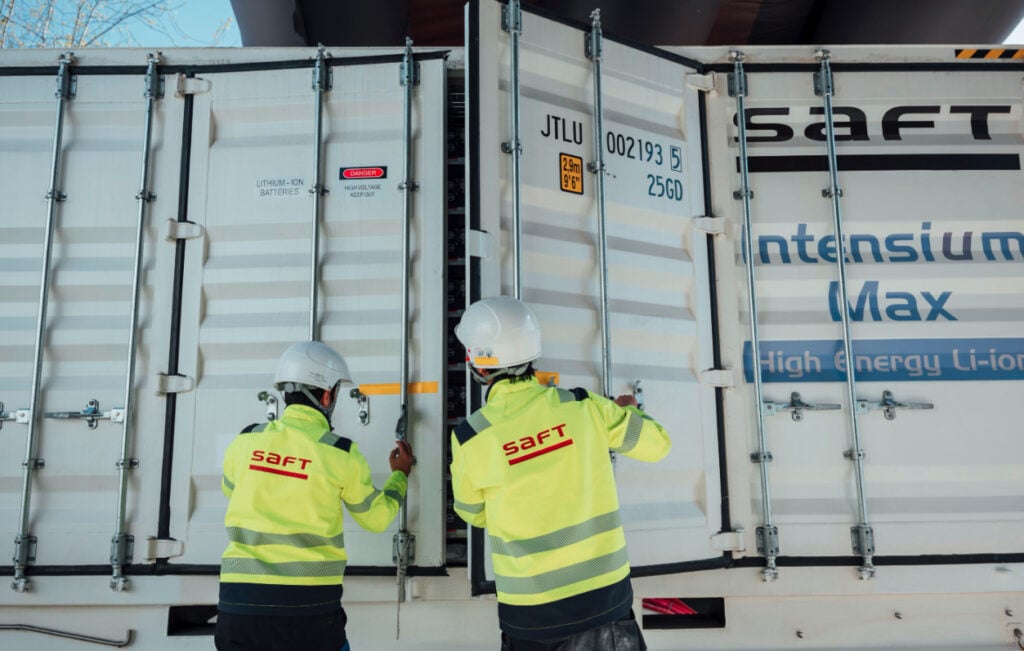
Saft has commissioned four battery energy storage system (BESS) units at a Microsoft data centre in Sweden, while ABB has added ZincFive as a technology supplier for its own UPS solutions.
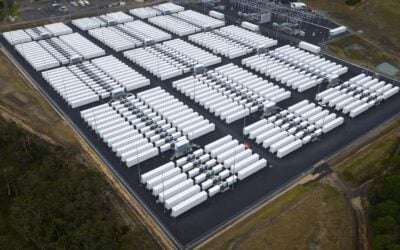
The BESS units from Saft, part of oil and gas major TotalEnergies, went into operation in June 2023 at Microsoft’s sustainable data centre in Sweden, as part of the tech giant’s path to remove diesel from the energy mix at its data centres by 2030.
Saft provided four groups of systems totalling 4MWh each, providing 1 hour and 20 minutes of energy storage discharge duration.
Cedric Duclos, Saft’s CEO said: “Saft deployed the BESS over 16 months following Microsoft’s approach to data centre architecture. This focuses on safety and reliability by creating backup systems in groups that work independently to ensure a high level of redundancy.”
Try Premium for just $1
- Full premium access for the first month at only $1
- Converts to an annual rate after 30 days unless cancelled
- Cancel anytime during the trial period
Premium Benefits
- Expert industry analysis and interviews
- Digital access to PV Tech Power journal
- Exclusive event discounts
Or get the full Premium subscription right away
Or continue reading this article for free
“As well as displacing the diesel generator, the BESS supports grid stability and provides black start capability to ensure rapid recovery of the power grid in the case of an outage.”
A senior manager at Microsoft said it wants to roll out battery storage at its data centres worldwide while at the Energy Storage Summit EU in London earlier this year.
In related data centre BESS news, power and automation technology company ABB has added nickel-zinc battery firm ZincFive as an approved supplier for its uninterruptible power supply (UPS) solutions.
ZincFive is an Oregon-based company, which has developed a nickel-zinc battery technology that it claims provides unparalleled power density and performance as well as superior safety to lithium-ion. It mainly targets use cases requiring mission-critical, uninterruptable and good quality power supply.
Although UPS can cover a range of use cases, the announcement said the pair were bringing energy storage “to the Data Centre UPS Market”.
ABB has now completed testing of ZincFive’s BC Series UPS Battery Cabinets, with its MegaFlex UPS portfolio to ensure full compatibility with its UPS systems. The testing was done by the pair at their US and Switzerland locations.
ABB said it now already supplying ZincFive’s solutions on several projects where footprint, safety, high ambient temperature operation and full lifecycle sustainability are key factors in the technology selection process.
ZincFive recently brought its fundraising total to US$200 million, as reported by Energy-Storage.news in June 2023.