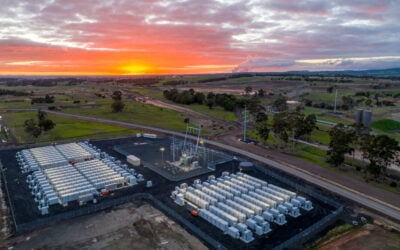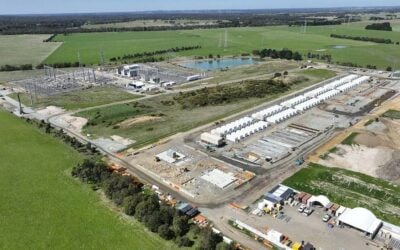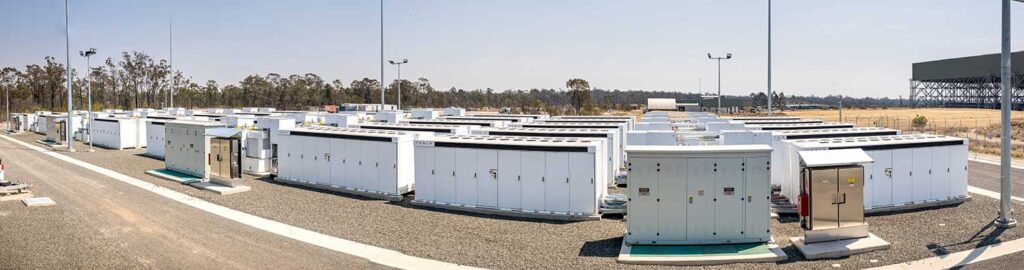
State-owned generation company CS Energy has switched on its 100MW/200MWh Chinchilla battery energy storage system (BESS) in Queensland, Australia.
Situated in Queensland’s Western Downs Region, about 300km inland from Brisbane, the project cost around AU$150 million (US$112.6 million) to construct and will connect to the National Electricity Market (NEM), to help provide flexibility to the grid.
CS Energy worked with Tesla and Downer to deliver the Chinchilla BESS, the first operational project in the Kogan Clean Energy Hub.
CS Energy’s Chinchilla BESS comprises 80 Tesla Megapack 2 systems. The Megapack is based on Tesla’s integrated solution, which includes lithium-ion (Li-ion) batteries, power conversion system (PCS), thermal management and controls.
Try Premium for just $1
- Full premium access for the first month at only $1
- Converts to an annual rate after 30 days unless cancelled
- Cancel anytime during the trial period
Premium Benefits
- Expert industry analysis and interviews
- Digital access to PV Tech Power journal
- Exclusive event discounts
Or get the full Premium subscription right away
Or continue reading this article for free
Alongside the Chinchilla BESS, the Kogan Clean Energy Hub includes the Kogan Renewable Hydrogen Demonstration Plant. The hydrogen plant includes the co-location of a 2MW solar farm, a 2MW/4MWh battery, a hydrogen electrolyser, a hydrogen fuel cell, hydrogen storage, and an out-loading facility.
The demonstration plant will have an on-site hydrogen storage capacity of about 750kg. Through an offtake deal with Sojitz Corporation, hydrogen produced at the plant will be exported to the Republic of Palau.
CS Energy CEO Darren Busine emphasised the potential the project could have for the Western Downs community, sharing that CS Energy is “here for the long-term”.
“Getting the Chinchilla Battery ready for commercial operation has taken a large effort from many people and teams across our entire business, from the team at the site who will operate and maintain the asset to our traders in Brisbane who will dispatch its output into the grid,” Busine said.
“This project, along with our other projects planned for the Kogan Clean Energy Hub, shows that CS Energy is here for the long-term in the Western Downs community.”
Tesla Megapack’s influence in the Queensland BESS market
It should be noted that Tesla’s Megapack system is being utilised across a number of sites in Australia, including RWE’s 50MW/400MWh Limondale BESS in New South Wales.
Indeed, just last week (8 August) energy storage developer Akaysha Energy said it had started construction of its 205MW/410MWh Brendale BESS, also located in Queensland. The project will incorporate Tesla Megapack technology, with Consolidated Power Projects Australia Pty Ltd (CPP) set to deliver the Balance of Plant.