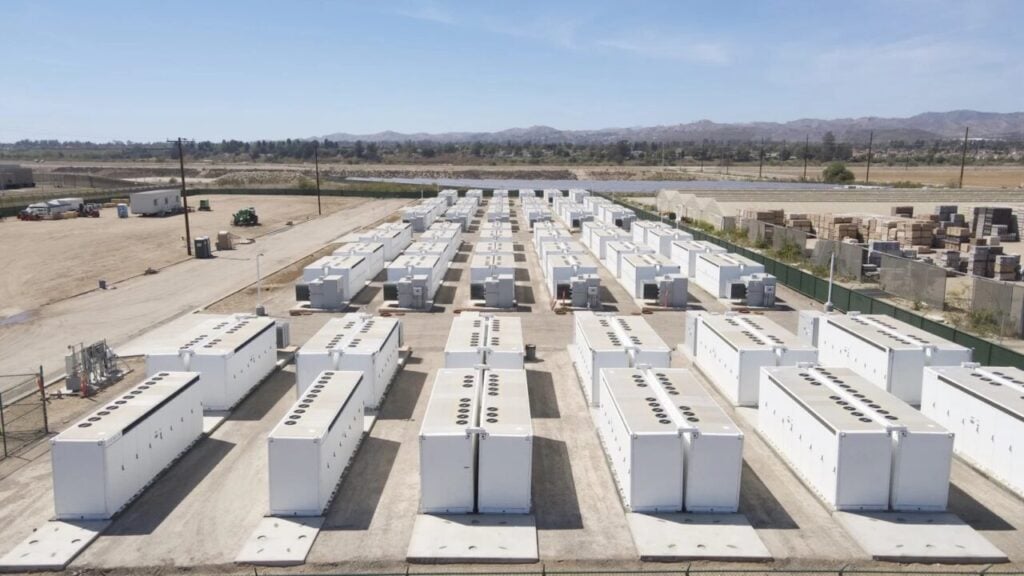
Community engagement is an important part of battery energy storage system (BESS) project development, and needs to start from Day One of a project, Arevon told Energy-Storage.news.
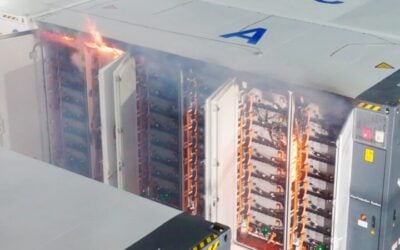
Fire safety and emergency planning have become topics of increasing concern for residents of potential BESS project sites. Leaving these concerns unaddressed or the proper authorities untrained can create distrust and disrupt a project.
Independent power producer (IPP) Arevon Energy, CEO Kevin Smith, discussed the importance of community engagement in developing BESS projects with for an upcoming ESN Premium article.
In a April blog post for Energy-Storage.news, Brian Cashion, director of engineering at Firetrace International, mentioned that although BESS technology has a strong safety record, more local communities are becoming skeptical of projects because of fire-related worries.
Try Premium for just $1
- Full premium access for the first month at only $1
- Converts to an annual rate after 30 days unless cancelled
- Cancel anytime during the trial period
Premium Benefits
- Expert industry analysis and interviews
- Digital access to PV Tech Power journal
- Exclusive event discounts
Or get the full Premium subscription right away
Or continue reading this article for free
Cashion continued, “Clearly, a number of big misconceptions around the safety and the inherent benefits of BESS sites still persist – which has already led to important projects, critical to energy infrastructure, being delayed or cancelled.”
ESN Premium reported that Oregon’s Marion County became the newest jurisdiction in the US to implement a moratorium on utility-scale battery storage, following recent amendments to its zoning laws by the Board of Directors (BoD) last month.
During the BoD meeting, the County’s planning director noted concerns of “fires, release of gases, chemicals and metals, potential pollution of air, water and soil, loss of farmland and increased demand on emergency response.”
A similar story was reported in June, after renewable energy developer Prospect14’s hybrid storage project application was scrutinised and rejected by town authorities in Chino Valley, Arizona, US.
Arevon Energy, based in Arizona, US, owns and operates more than 4.7GW of solar PV and energy storage projects across 17 states. It also has a development pipeline totalling 6GW.
Smith said the process of community engagement is fundamental to developing a successful project.
The company’s website lays out stages of engagement, beginning with researching the community and hosting dinners with landowners and continuing to host job fairs throughout construction.
Smith said: “To us, community engagement is a fundamental principle. We’re going into these communities as guests initially, and then our goal is to be long-term participants in the community.”
“Our philosophy is to go in, day one, with our community relations team and look at how we can help the community. At some point, we’ll hit a bump along the road and will need some help from community leaders. If we haven’t been a participant, it’s too late.”
Recent projects, such as Fengate Asset Management and Alpha Omega Power’s 100MW/400MWh Caballero BESS in California, have highlighted close collaboration with local fire departments.
For Caballero, firefighters from multiple agencies participated in a two week training session at the BESS facility to familiarise responders with its layout, fire protection measures, and proper response procedures.