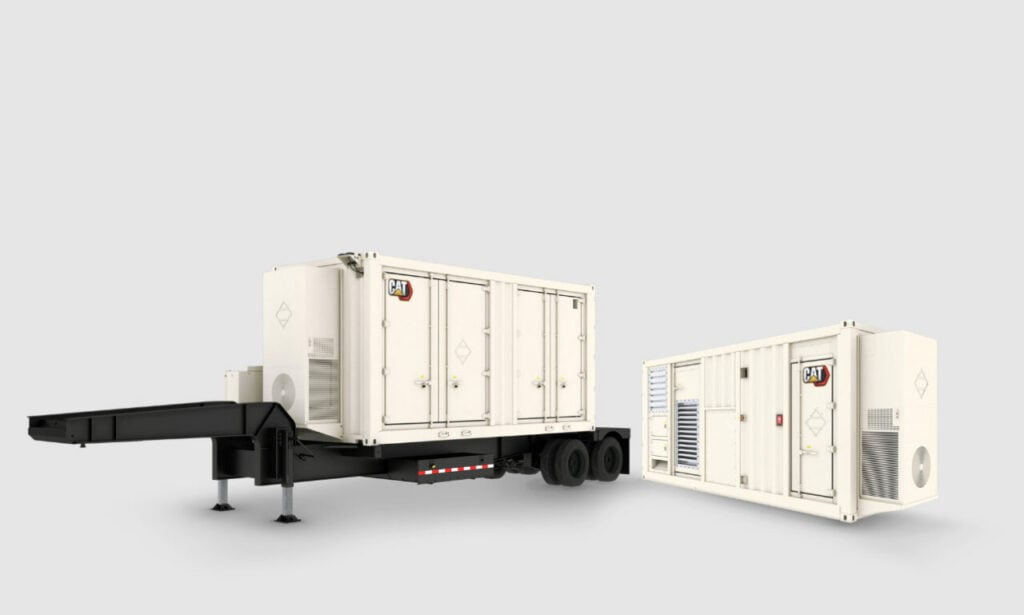
Construction and industrial equipment manufacturer Caterpillar has launched an integrated energy storage system (ESS) solution, the Cat ESS suite of battery storage products.
The suite includes scalable and modular designs for a range of energy system applications including: generator set transient assist, grid integration and support, shifting of energy from time of generation to time of use, power stabilisation, power factor correction and renewable energy integration.
The standard module, which is the building block of the solution, is a 20-foot module with lithium-ion batteries, the company’s Cat bi-directional inverter and an isolation transformer.
“Through these new modules, customers can rapidly leverage our grid stabilisation and energy time-shifting technologies to support site loads with the scalability they need,” said Jason Kaiser, VP for Caterpillar’s electric power division.
Try Premium for just $1
- Full premium access for the first month at only $1
- Converts to an annual rate after 30 days unless cancelled
- Cancel anytime during the trial period
Premium Benefits
- Expert industry analysis and interviews
- Digital access to PV Tech Power journal
- Exclusive event discounts
Or get the full Premium subscription right away
Or continue reading this article for free
The company is not new to the ESS space, having previously deployed ESS units comprising lithium-ion batteries, including a 7.5MW system for a microgrid at a gold mine in the Democratic Republic of Congo in 2021.
The company’s venture capital (VC) arm Caterpillar Venture Capital also invested in UK-based second life energy storage firm Connected Energy last year. A similar industrial, heavy vehicle and power solutions firm, Volvo, took part in the same fundraiser and this year has also seen it expand into the ESS market.
Caterpillar’s new suite of products includes Cat power grid stabilisation (PGS) and energy time shift (ETS) modules with optional energy capacity expansion (ECE) modules. PGS provides reserve power reserve power to allow the shutdown of one or more generator sets, while ETS is geared towards time shifting generation. The company is also offering a proprietary microgrid control and remote asset monitoring platforms.