PV inverter firm Bonfiglioli has launched its RPS TL-4Q inverter series for utility-scale grid-connected energy storage systems in India, claiming there is strong future potential for on-grid and off-grid battery storage systems in the Indian market.
The new design is based on Bonfiglioli’s original RPS TL inverter platform, which has already had more than 800MW installed in India’s PV sector. The company this summer also supplied its RPS TL series central inverters to a 100MW PV power plant in the Atacama Desert of Chile, the largest so far built in the country. The product was also released into the EMEA region in 2014.
The new RPS TL-4Q is available in the 250kW to 1,575kW range and can operate in temperatures ranging from -10 °C to +55 °C.
Like the original, the modular-based inverters incorporate ‘Master-Slave’ logic to help increase yields by optimising conversion efficiency at any irradiation level.
Try Premium for just $1
- Full premium access for the first month at only $1
- Converts to an annual rate after 30 days unless cancelled
- Cancel anytime during the trial period
Premium Benefits
- Expert industry analysis and interviews
- Digital access to PV Tech Power journal
- Exclusive event discounts
Or get the full Premium subscription right away
Or continue reading this article for free
The new design manages battery power and provides grid support features, such as VAR support and ride-through, whilst having certified compliance with international grid connection standards. It also supports static and dynamic voltage and has frequency support functions.
The inverter design also aims to make interaction with SCADA and other energy management systems easier.
Robert Lenke, head of product management for the photovoltaic solutions and storage solutions market, told PV Tech Storage: “We see a great future potential for on-grid and off-grid battery storage systems in the Indian market, as it can become an economic answer to improving grid stability and grid de-congestion in the fast growing Indian power market – with a big drive coming from renewables – based on the current expectations of cost decline of storage technology for the coming years.”
Bonfiglioli, which is headqaurtered in Bologna, Italy, was also among the first companies that supplied PV installations in India as early as 2009 and its decision to bring the new inverter product to the country is driven by its existing strong presence in India in similar markets, Lenke added.
GA Balaji, director of Bonfiglioli India, said that the company will use its facility in Bangalore to manufacture the inverters to supply the Southeast Asia market. The factory was officially opened in 2014 with an annual production capacity of 300MW, making it the company’s second biggest manufacturing plant, set up in a joint venture with Indian company Cubic Control Systems.
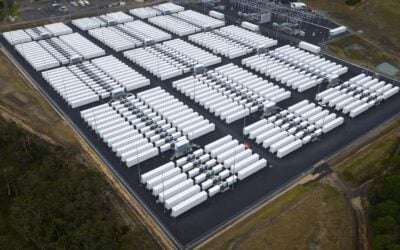
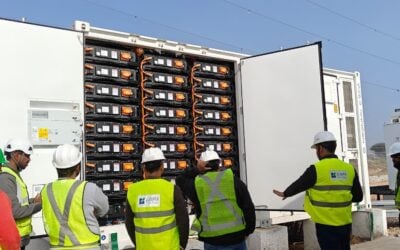
Bonfiglioli sees a great future potential for on-grid and off-grid battery storage systems in the Indian market. Credit: Bonfiglioli