
Fluence’s Daniel Elias explores why circular-economy principles and material recovery are essential as renewable energy infrastructure matures and reaches end of life.
The rapid growth of renewable energy is one of the defining successes of the global energy transition. Solar, wind, and battery storage have delivered meaningful emissions reductions, improved system flexibility, and accelerated the retirement of ageing thermal generation.
As this infrastructure matures, a new priority must emerge: ensuring clean energy systems are managed responsibly across their full lifetime.
The transition to clean energy does not end at deployment. The decisions made now about how ageing infrastructure is managed will shape both the environmental legacy and the long-term economics of the energy transition.
Try Premium for just $1
- Full premium access for the first month at only $1
- Converts to an annual rate after 30 days unless cancelled
- Cancel anytime during the trial period
Premium Benefits
- Expert industry analysis and interviews
- Digital access to PV Tech Power journal
- Exclusive event discounts
Or get the full Premium subscription right away
Or continue reading this article for free
That means thinking across the full product lifecycle: from responsible sourcing and efficient operation through to reuse and recycling.
Solar provides the clearest example of both the progress made and the opportunity ahead. Australia’s rooftop solar revolution has connected millions of homes and businesses to clean energy, and as those early installations approach end of life, their raw materials, such as silicon, silver, aluminium, and glass, represent a significant recovery challenge and opportunity.
As installation volumes grow, so will the volume of material requiring responsible management, making it essential that recycling infrastructure and regulation keep pace.
Currently, according to the Australian Financial Review, around 17% of solar module materials are recycled, leaving substantial value and environmental benefit untapped. While solar is the first renewable energy technology to reach this stage at this scale, the lessons are directly applicable to energy storage.
Battery energy storage systems are being deployed rapidly to support the boom in renewable energy and to enhance grid reliability as thermal assets retire. As these systems mature, the same lifecycle questions arise: who is responsible for end-of-life management, where will materials be processed, and how can value be recovered rather than lost?
Answering those questions well is the next frontier of the energy transition.
Why circular economy thinking is now essential
Recycling and reuse must move from a compliance obligation to a core principle of energy system planning. There are three reasons this shift is becoming unavoidable.
- Material security: Critical minerals are unevenly distributed globally and often reliant on concentrated supply chains. Recovering materials at their end-of-life reduces pressure on mining, mitigates geopolitical risk, and strengthens supply resilience for future clean energy build-out.
- Environmental integrity: Recycling reduces the carbon footprint of future systems by cutting the need for virgin material extraction. It also prevents the environmental harm associated with landfills or improper disposal of hazardous components. Policy momentum is accelerating globally to support this shift. In Japan, mechanisms such as the Wide Area Certificate allow manufacturers to collect and recycle used battery energy storage components across multiple prefectures without requiring local waste-disposal permits. Another notable example is the EU Battery Regulation, which introduces binding requirements that link market access to environmental performance, including minimum recycled content thresholds for batteries placed on the European market from the next decade. Additionally, US states – like Texas and its proposed Senate Bill 1824 – are beginning to establish utility-scale battery recycling obligations.
- Grid planning and system cost: As energy storage projects scale, project developers, financiers, and grid operators will factor lifecycle management into total system costs. Circular practices can reduce long-term liabilities and improve project economics by recovering value from retired assets.
Encouragingly, global organisations are already making progress. Advanced solar recycling processes can now recover most of a module’s weight as reusable materials, and battery recycling technologies are advancing rapidly, with the ability to reclaim electrode metals for reuse in new cells. Although the deployment of these solutions remains uneven and recycling capacity has yet to fully keep pace with installation rates in many markets, the direction is clear and momentum is building.
Scaling Up End-of-Life Infrastructure
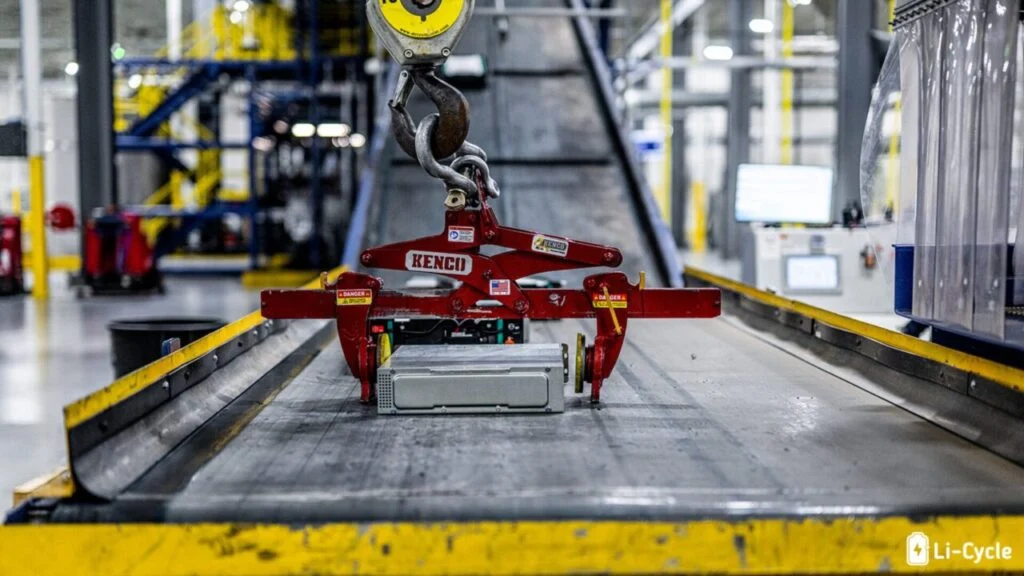
A key opportunity for the industry lies in building out a global battery recycling infrastructure. Currently, many recyclers process batteries into a “black mass,” which is then transported for further refining. With around 60% of the world’s refining capacity located in China, there is a clear opportunity to develop more evenly distributed regional hubs. This would reduce logistical complexity and supply chain risk.
Expanding the network of facilities capable of safely processing large-scale batteries and power electronics is the next logical step. Investing in regional capacity reduces transport distances, enhancing both the economic and environmental benefits.
The current lack of infrastructure in areas like the Western Hemisphere south of the United States, for instance, highlights a clear pathway for growth and collaboration across industry and policymakers.
Circular principles in action: responsible sourcing to end of life
Within utility-scale energy storage, a circular economy recognises that responsible sourcing and product end-of-life planning must be part of project design from day one. At Fluence, this includes:
- Designing for reuse and recyclability: Influencing product specifications to improve material recovery rates and extend usable life.
- Supplier engagement: Working with component manufacturers to prioritise materials and processes that support future recycling.
- Material tracking and data transparency: Implementing mechanisms to trace materials through the supply chain and signal when assets approach end of life.
- Collaborative recycling partnerships: Supporting infrastructure and industry efforts to scale domestic recycling facilities and expertise.
Regulatory expectations are also beginning to shape how circular principles are applied in practice. In several markets, batteries will increasingly be required to contain a minimum proportion of recycled material. From 2031, for example, the EU Battery Regulation will mandate industrial batteries (including lithium-iron-phosphate) above 2kWh placed on the EU market are composed of at least 6% recycled lithium, as a share of total lithium content.
As renewable technologies become foundational infrastructure, their sustainability will be judged not only by the power they produce, but by how responsibly they are managed across their full lifecycle.
While still developing at scale, circular approaches are gaining traction as part of a more holistic view of energy system sustainability. Continued innovation and investment in recycling will help reinforce the long-term resilience and value of the clean energy transition.
About the Author
Daniel Elias is Fluence’s Senior Global Environmental Manager where he has worked since 2021. With over 11 years of experience, he brings expertise in renewable energy, product circularity, environmental assessments, ESG reporting, and corporate sustainability.
A certified environmental manager, Elias leads Fluence’s efforts to adhere to global environmental standards, develop circular-economy services, and expand ISO 14001 compliance across operations.
