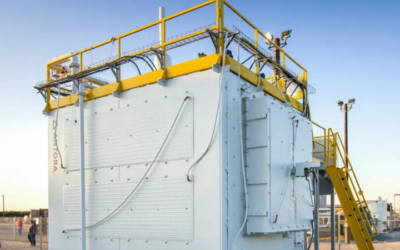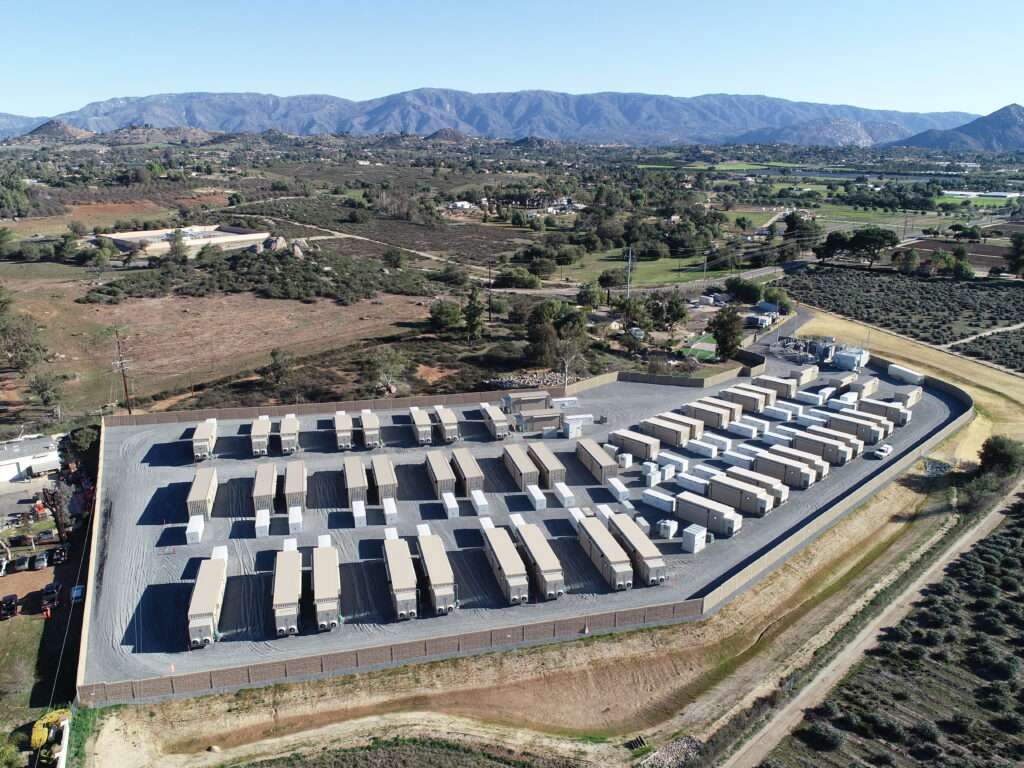
Battery energy storage is load shifting up to 6GWh a day on the California ISO (CAISO) grid, storage sector manager Gabe Murtaugh told Energy-storage.news, as the operator considers a market design change linked to batteries’ state of charge (SoC).
“In February, we were routinely shifting about 6,000MWh of energy. Those numbers have been increasing as more storage is integrating onto the system,” he said.
The batteries are moving energy from low-price to high-price periods but the decarbonisation effect of this is low for now, he added:
“Today storage is mostly displacing high-price, high-emission gas resources. There are some periods of overproduction of renewables and storage is certainly absorbing some of that energy but there will be some transition years before storage is charging primarily from renewable resources.”
Try Premium for just $1
- Full premium access for the first month at only $1
- Converts to an annual rate after 30 days unless cancelled
- Cancel anytime during the trial period
Premium Benefits
- Expert industry analysis and interviews
- Digital access to PV Tech Power journal
- Exclusive event discounts
Or get the full Premium subscription right away
Or continue reading this article for free
CAISO had just over 2.7GW of utility-scale battery energy storage systems (BESS) connected to its grid as of the end of March, up from 1.5GW last summer, and expects that to hit 4GW this summer.
“We now regularly see five-minute intervals where essentially all storage is dispatched for energy on the grid, nearly 3,000MW, and that will increase over the summer as more storage interconnects to the system.”
With a peak demand on the CAISO grid of 28,971MW in March that means storage is regularly contributing at least 10% of load at various intervals.
CAISO is also working on a new framework to allow storage to bid in to wholesale markets based on state of charge and price. It would allow operators to specify prices which are based on a battery’s state of charge, Murtaugh said.
“No other market has anything like this in place today and the storage community is really excited to see this change implemented,” he added. You can read more about this market mechanism here.
He also shared his thoughts on the investment tax credit (ITC) for colocated storage and renewable resources, which allows developers to reduce the cost of the project by 30% for combining the two. He pointed out that what this actually does is limit storage resources’ participation in and contribution to grid reliability.
“The investment tax credit for renewable resources located with on-site storage is challenging for the ISO. It does not incentivise full storage participation in the organised energy markets, but instead incentivises charging only when there is generation from the on-site solar resource.”
“If the ISO needs to charge a battery during the night for grid reliability during the morning ramp, it may not be able to because of these rules. When this is applied to most storage resources on the grid, it threatens reliability.”
“The ISO supports incentives to build storage, but also wants to ensure that these resources can be fully utilised once they are operating in the market.”