Developer Available Power and Linxon, a joint venture between engineering firm SNC-Lavalin and Hitachi Energy, are targeting 1GW of battery storage projects in the ERCOT, Texas market.
Linxon has already secured the necessary equipment supply to deliver on the first tranche of the 1,000MW-plus of battery storage projects, it said. The projects will be front-of-meter systems within the market managed by grid operator ERCOT.
Ben Gregory, President of Available Power said: “Battery energy storage is transforming and strengthening how power grids operate. We’re proud to pair Available Power’s development experience with Linxon’s leading EPC credentials.”
Nicolas Sanloup, President and Managing Director of Linxon Americas added: “We focus on innovation, portfolio transition, and sustainability, which guides us in all our activities, and we see battery energy storage systems (BESS) as a key asset class.
Try Premium for just $1
- Full premium access for the first month at only $1
- Converts to an annual rate after 30 days unless cancelled
- Cancel anytime during the trial period
Premium Benefits
- Expert industry analysis and interviews
- Digital access to PV Tech Power journal
- Exclusive event discounts
Or get the full Premium subscription right away
Or continue reading this article for free
Available Power is a Texas-focused energy storage developer founded in 2020 by ex-Shell executives. It has announced one major project prior to this announcement, a 100MW/200MWh battery storage system at a net-zero technology campus and airport near Austin, Texas.
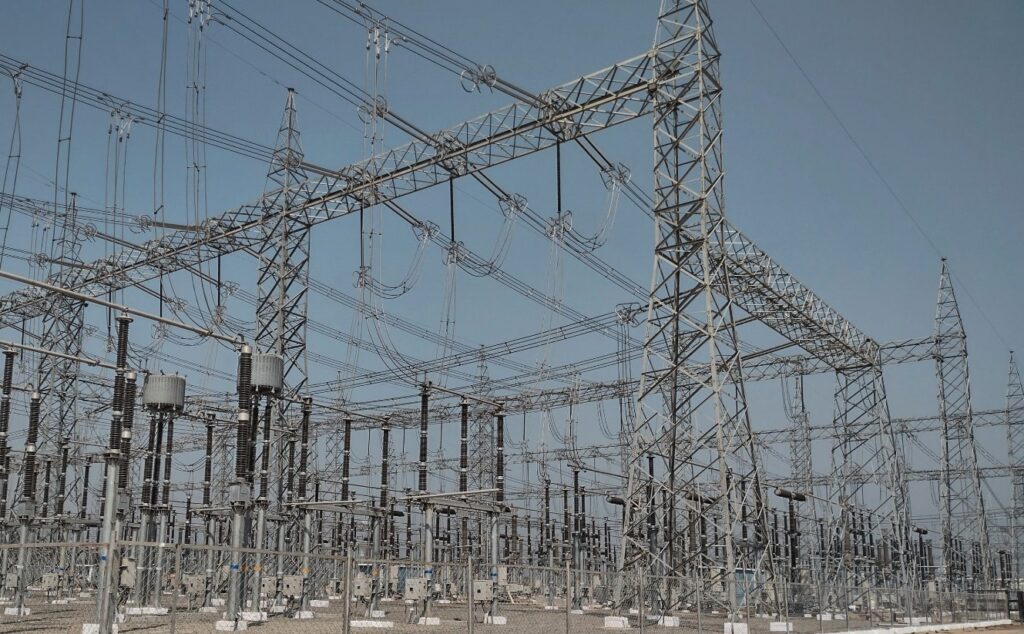
Linxon meanwhile was founded in 2018 as a joint venture between Canadian engineering firm SNC-Lavalin and Hitachi Energy, part of the large Japanese conglomerate, to mainly focus on solutions centred around electricity substations.
Hitachi Energy has been deploying its own energy storage technology solutions in the past few years, including most recently turbine technology at a pumped hydro plant in Austria and a two-hour battery storage system in Switzerland. The company was formed through the acquisition of ABB’s power grids business by Hitachi.
As of the end of 2022 there was around 2.7GW of utility-scale battery storage online and operational in Texas, while the interconnection queue is in the high double-digit gigawatts. Battery storage projects in the state garner revenues from a mix of ancillary services RRS (regulation reserve service) and RRS-FFR (fast frequency response) and energy trading around the most congested nodes of the grid.
Energy-Storage.news’ publisher Solar Media will host the 5th Energy Storage Summit USA, 28-29 March 2023 in Austin, Texas. Featuring a packed programme of panels, presentations and fireside chats from industry leaders focusing on accelerating the market for energy storage across the country. For more information, go to the website.