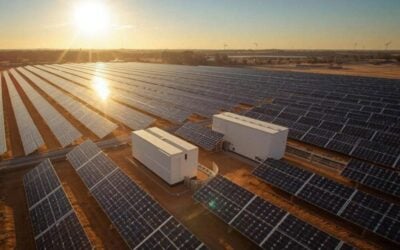
The West African Development Bank (BOAD) has approved a US$24 million loan for a solar and storage project in Senegal with a 15MW/45MWh battery energy storage system (BESS).
The loan totalling 15 billion West African Francs (US$24 million) was approved last month (20 September) by the board of the BOAD (Banque Ouest-Africaine de Développement). It was one of five loans for infrastructure projects across the region approved by the BOAD totalling 91 billion West African Francs (US$145 million).
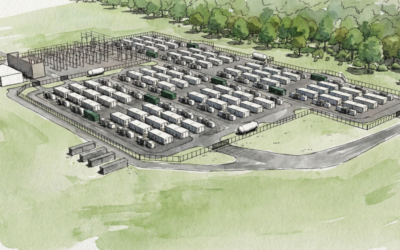
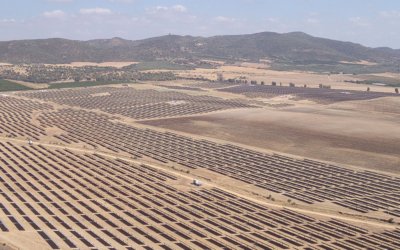
It will partially finance the construction and operation of the Niakhar Solar Power project in Niakhar, Senegal, which pairs 30MW of solar PV and the 15MW/45MWh BESS.
The BESS will shift solar energy into periods with lower production and higher demand as well as provide ancillary services to the grid.
Try Premium for just $1
- Full premium access for the first month at only $1
- Converts to an annual rate after 30 days unless cancelled
- Cancel anytime during the trial period
Premium Benefits
- Expert industry analysis and interviews
- Digital access to PV Tech Power journal
- Exclusive event discounts
Or get the full Premium subscription right away
Or continue reading this article for free
The project is being developed by Teranga Niakhar Storage, a special purpose vehicle (SPV), local developer Energy Resources Senegal (ERS) and investor Climate Fund Managers (CFM). ERS intends to deploy 500MW of solar PV capacity across West Africa by 2025.
A subsidiary of the French concession and construction firm Vinci, Omexom, will build the plant and its electricity will be sold to state-owned utility, SENELEC, which is a shareholder in Teranga Niakhar Storage.
Omexom’s track record in energy storage includes working as an EPC contractor on France’s biggest storage project so far, a 61MW/61MWh site owned by TotalEnergies and supplied with BESS equipment from Saft, which TotalEnergies owns.
A detailed document on the project from CFM said the BESS will enable the project to provide much-needed services to the Senegal electricity grid. These include improved regulation of the national
electricity network and improved frequency or intermittency, additional rotating reserve capacity and improved ability to supply peak demands and capacity for restarting the network (black-start).
It said that improving the reliability of the electricity network will provide a stimulus for further economic development in Senegal.
The announcement comes a few months after finance institutions FMO and PIDG agreed to finance a 16MW solar PV, 10MW/20MWh BESS project in Bokhol, Senegal, the country’s first dedicated to frequency regulation, they said.