The US Department of Energy (DOE) will guarantee a loan from US Bancorp Impact Finance for a project pairing 15MW of solar PV with 70MWh of long-duration energy storage (LDES) on Tribal Lands in California.
Indian Energy, a developer owned entirely by Native Americans, will develop the project for the band, which describes itself as a “sovereign government recognised by the US government”. It will be built on lands owned by the Viejas Group of Capitan Grande Band Mission Indians.
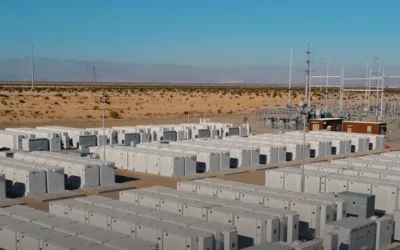
The project will consist of a 15MW solar project, with a co-located 70MWh LDES system using battery technology, backed by a US$72.8 million loan guarantee provided by the DOE’s Loan Programs Office (LPO).
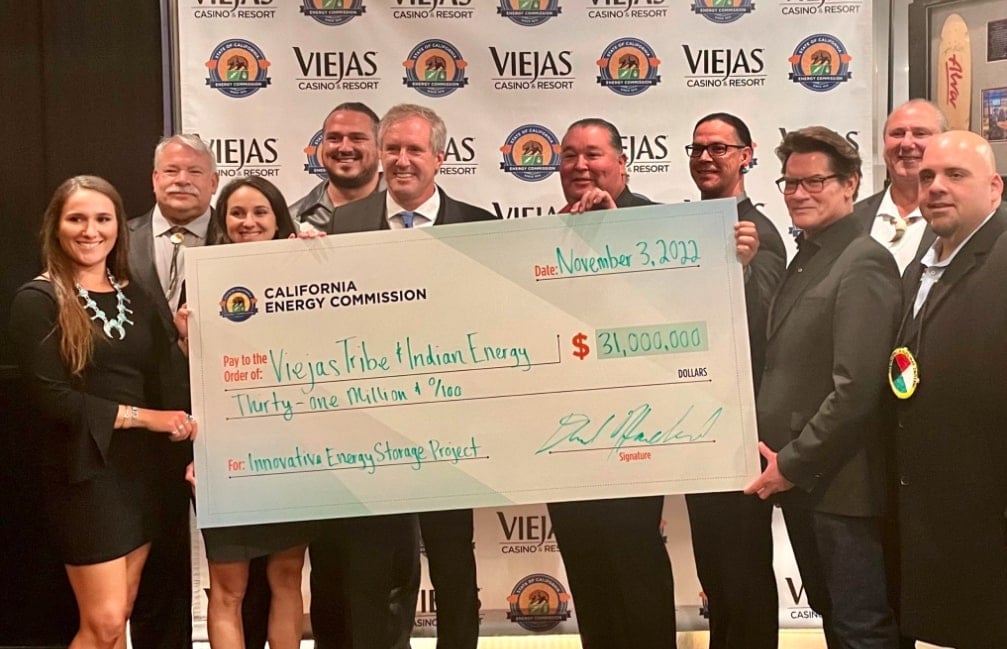
The money will be provided by a grant from the California Energy Commission and investments from US Bancorp Impact Finance and Starbucks and could total up to US$100 million.
Try Premium for just $1
- Full premium access for the first month at only $1
- Converts to an annual rate after 30 days unless cancelled
- Cancel anytime during the trial period
Premium Benefits
- Expert industry analysis and interviews
- Digital access to PV Tech Power journal
- Exclusive event discounts
Or get the full Premium subscription right away
Or continue reading this article for free
“Amid surging energy demands, the Viejas Microgrid project is a win-win for the Viejas Band of Kumeyaay Indians and California’s clean energy goals,” said California senator Alex Padilla. “California Tribes deserve energy independence and security as they adapt to the climate crisis, and the Inflation Reduction Act (IRA) is making that priority a reality.”
Energy-Storage.news interviewed Indian Energy, the head of the Viejas Group and vanadium radox flow battery (VRFB) firm Invinity about the project back in late 2022. Alongside the VRFB, the LDES unit was said then to utilise zinc batteries from Eos Energy Enterprises, and it would comprise 60MWh of energy storage capacity.