Centrica, one of the UK’s largest energy companies, is celebrating a “major breakthrough” as its flexibility trading platform goes live.
The platform allows both the UK’s transmission system operator, National Grid ESO, and one of its distribution network operators (DNOs), Western Power Distribution (WPD), to simultaneously procure flexibility. It is the first platform to allow two operators to do this in the world, Centrica said.
Whilst the flexibility being traded is from a range of sources, storage has a large role to play in the local energy market (LEM) trial.
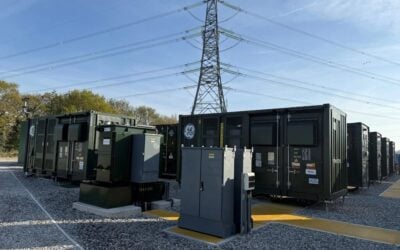
A 1MWh redT vanadium redox flow battery system was installed in 2017. RedT is currently in the middle of a merger with US vanadium redox flow battery maker Avalon Battery, a move which now has the backing of vanadium producer Bushveld Minerals.
Try Premium for just $1
- Full premium access for the first month at only $1
- Converts to an annual rate after 30 days unless cancelled
- Cancel anytime during the trial period
Premium Benefits
- Expert industry analysis and interviews
- Digital access to PV Tech Power journal
- Exclusive event discounts
Or get the full Premium subscription right away
Or continue reading this article for free
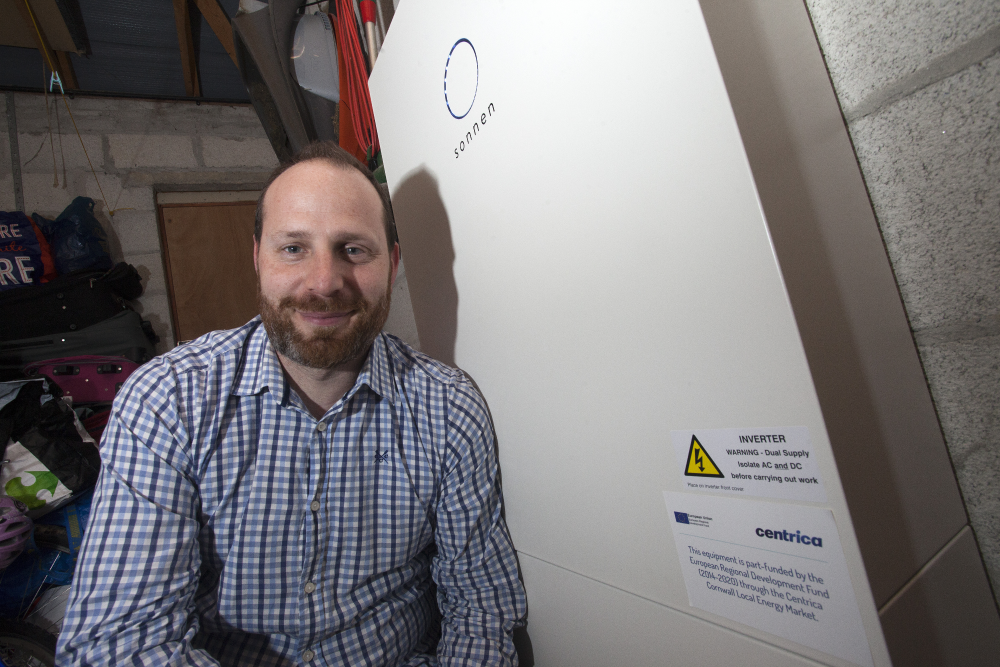
Sonnen – which was acquried by Shell in February – also has batteries involved in the project. The residential batteries have three capacities: 5kW, 7.5kW and 10kW, and have been paired with solar PV in 100 homes.
Over 125 businesses were also kitted out with a variety of flexible low carbon energy technologies and monitoring technology, including solar and storage, as well as combined heat and power units among other technologies.
This flexibility is now being traded through Centrica’s trading platform, which allows both WPD and National Grid ESO to place bids for flexibility services. They can both indicate when they will need an increase or decrease in generation or consumption to balance the grid or manage a local network constraint.
These bids are then matched with offers from sellers through auctions that can run from months in advance to intraday. Sellers receive a financial reward for their services.
A clearing engine has been built by Belgian advanced analytics company N-SIDE, which takes the bids and offers and finds the optimal clearing solution, taking into account grid and asset constraints.
The transmission and distribution networks are able to co-ordinate their procurement to avoid conflicting signals, making it the first time ever both have traded for flexibility on the same third platform, Centrica said.
Colm Murphy, electricity market change development manager at National Grid ESO, said the potential is “really exciting” as the system operator looks to unlock more flexibility and greater cost benefits for consumers.
“Exploring the provision of flexibility through a local energy market is a first for us and even though we’re in the early stages of the trial, we’re looking forward to evaluating the results.
The LEM is being part funded by the European Regional Development Fund and the trials are expected to be complete in spring 2020.
Jenny Woodruff, project manager at WPD, said “This phase enables Distribution Network Operators and National Grid ESO to purchase flexibility services from the same pool of resources but also introduces checks to make sure our respective services don’t counteract or interfere with each other.
“This is expected to be increasingly important as we plan to make increasing use of flexibility services, which in turn raises the chances of conflicts occurring. It’s potentially a significant problem, so this trial is an exciting step to find a solution.”