The impact of high gas prices in the UK has emphasised the need to invest in energy storage technologies, national industry trade group the Electricity Storage Network (ESN), has said.
Power prices have surged in the UK due to gas shortages – which have led to prices increasing by 250% since the beginning of the year and 70% since August alone – combined with low winds and a number of outages – including the IFA interconnector, which is down due to a fire at the beginning of September.
Over the past few weeks this has led to record high power prices, with the day-ahead auctions hitting £1,675.30 (US$2,291.18) /MWh for EPEX and £1,750/MWh for Nordpool for 14 September, for example.
This volatility shows the importance of building out energy storage systems to provide resiliency to the grid as it weans off fossil fuels and renewables grow, said the ESN.
Try Premium for just $1
- Full premium access for the first month at only $1
- Converts to an annual rate after 30 days unless cancelled
- Cancel anytime during the trial period
Premium Benefits
- Expert industry analysis and interviews
- Digital access to PV Tech Power journal
- Exclusive event discounts
Or get the full Premium subscription right away
Or continue reading this article for free
“As well as helping to balance supply and demand of energy in the physical supply chain, energy storage also exerts an important calming and confidence-building influence within the energy markets,” said Madeleine Greenhalgh, policy lead at ESN.
“This helps to reduce the volatility of market prices by giving confidence to those traders who are concerned with energy supply and dissuading the action of traders engaged in short term speculation. This system benefit of energy storage seems to have been overlooked by policy makers and regulators.”
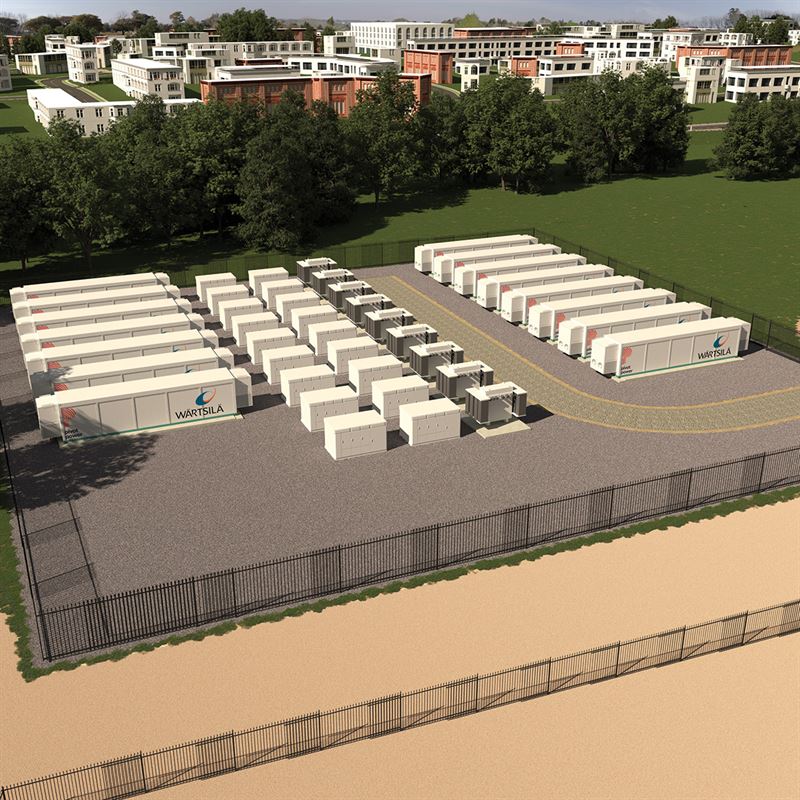
Currently there is over 1GW of battery storage connected to the electricity system in Britain. ESN’s analysis shows that there is a pipeline of a further 6-8GW with planning permission and a grid connection agreement in place.
Under the right conditions, these could be built out over the coming years.
The battery storage market in Britain has gone from strength to strength in recent years, with Solar Media’s research suggesting that in total there is now over 20GW across 800 utility-scale battery storage projects in the pipeline. This was particularly bolstered by a surge of applications in Q2 2021, with 3.2GW across 59 sites submitted, of which 92% were for sites larger than 30MW.
Given the high power prices – which have led to a crisis for many small suppliers, with six closing in the last month – the UK government is examining the energy system to ensure its stability going forwards.
“The key priorities now for the government, the regulator and the Electricity System Operator are to develop markets that incentivise further investment in a range of short and long term storage technologies and encourage zero carbon storage solutions to take over from gas, alongside developing a much smarter and more flexible electricity system that can much match supply and demand more effectively,” added Greenhalgh.
ESN’s call for greater investment into storage follows the Association for Renewable Energy and Clean Technology also highlighting the need to diversify and decarbonise the UK’s domestic energy system earlier this week.
This story first appeared on Current±.