Recent moves from the US federal government could prove more damaging to US renewable energy deployment than foreign entity of concern (FEOC) compliance requirements, according to legal and industry experts.
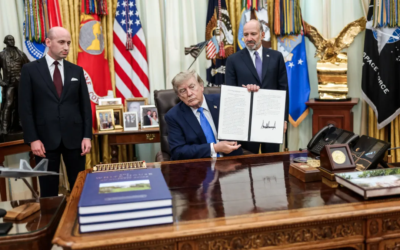
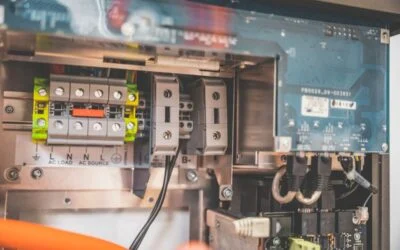
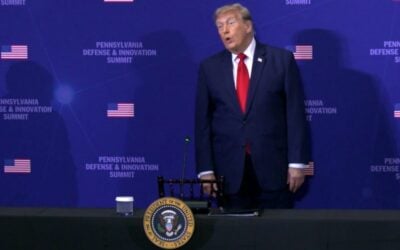
On 26 August, US President Donald Trump banned the import of inverters, transformers and other power equipment citing a potential risk to US grid security, via emergency executive order (EO).
The US Department of Energy (DOE) has closed a US$489.4 million loan to Amanecer Puerto Rico, a subsidiary of developer Pattern Energy to support Puerto Rico’s electric grid.
The Public Safety and Homeland Security Bureau (PSHSB) of the US Federal Communications Commission (FCC) has classified foreign-produced power inverters and “advanced robotic devices” as national security threats.
Zinc hybrid cathode battery and storage system maker Eos Energy Enterprises has announced a strategic partnership with the US Department of Defense (DoD) to “enhance the resilience of national defence infrastructure.”
The US clean energy manufacturing industry is starting to undergo a wholesale restructuring and recapitalisation as companies look to reduce their exposure to numerous risks, including FEOC.
Carl Coe, chief of staff at the US Department of Energy stated that the Department cares about “affordable, reliable, available energy, regardless of source.”
Recently, utility Xcel Energy announced it would install 30GWh of US startup Form Energy’s iron-air batteries at a data centre in Pine Island, Minnesota, owned by tech giant Google.