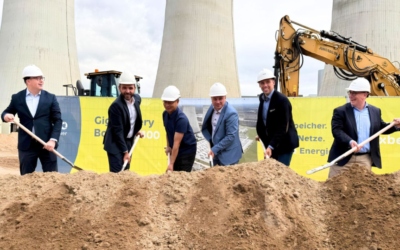
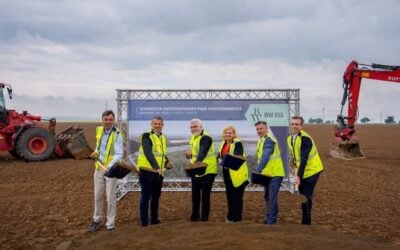
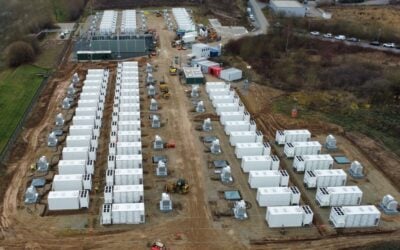
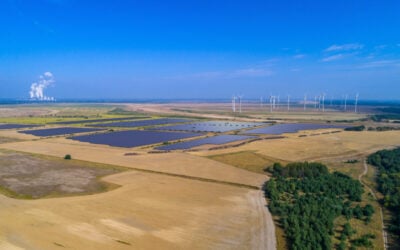
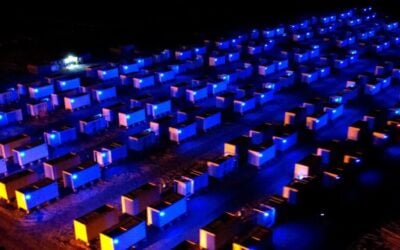
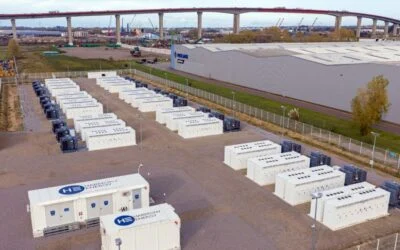
Power generator LEAG and its turnkey BESS construction partner HyperStrong have started building a 400MW/1,600MWh project in Germany, while Sunotec has done the same on a 441MWh project.
We hear from Nikhil Koppaka, senior commercial manager for BESS owner-operator BW ESS on the big opportunities and challenges in Germany’s grid-scale energy storage market.
A trio of BESS updates in Germany from power firm Alpiq, CATL-backed system integrator CNTE and virtual tolling platform Terralayr, totalling around 260MW of operational capacity.
If BESS are to be given restricted grid access, they should be given a commensurate reduction in the BKZ fee, Marie-Sophie Braun, head of markets & regulatory affairs for developer Kyon Energy, said.
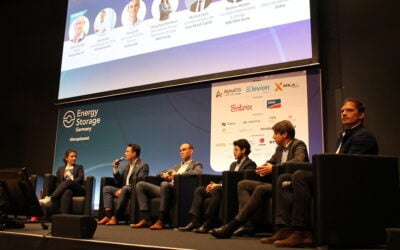
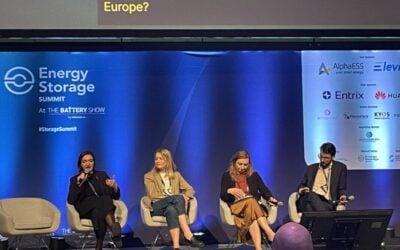
The grid-scale energy storage market in Germany is in a strong position but key questions around grid fees, grid connections, FCAs and the upcoming capacity market remain, speakers at the upcoming Energy Storage Summit Germany 2026 said.
Fluence and utility LEAG have begun construction of a second battery storage project in Germany, through a partnership that is also deploying Europe’s largest BESS to date.
The German regulator BNetzA’s latest draft decision on grid fees from 4 August 2029 onwards still leaves uncertainty for energy storage project business cases.