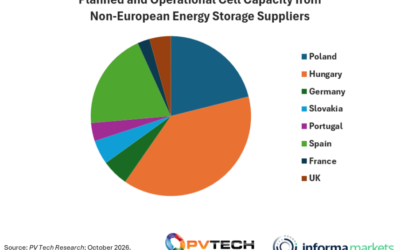
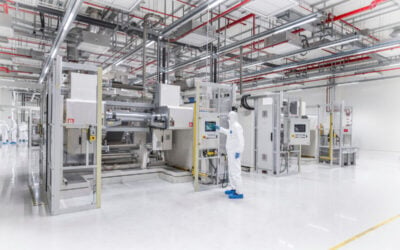
As demand for battery storage soars, the European Union (EU) has tried to grow its local battery supply chain with mixed success so far, writes PV ESS analyst Charlotte Gisbourne.
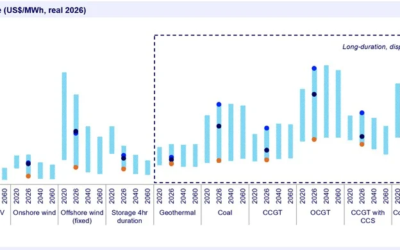
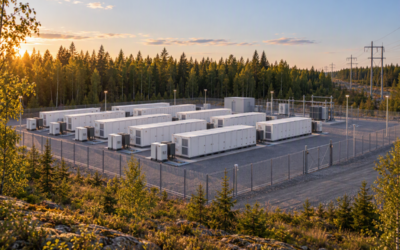
Four-hour battery storage is less expensive than open-cycle gas turbines in the 43 markets in which both technologies were modelled, according to a new report from market research firm Wood Mackenzie.
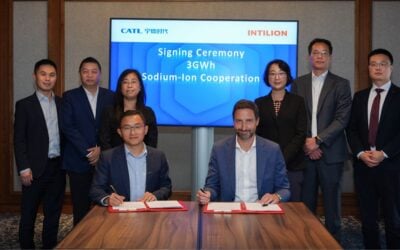
Intilion has just tied up with CATL for sodium-ion BESS deployments in Europe, following Alfen’s similar move in July, while Merus Power tells us it is in the process of integrating with the OEM’s new product.
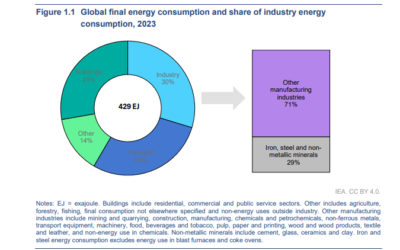
Electrifying low-temperature industrial heat and steam processes with renewables could reduce European Union natural gas consumption by 35 billion cubic metres-per-year, according to a report from the International Energy Agency (IEA).
Gotion and Volkswagen AG will establish three joint ventures to manufacture lithium iron phosphate (LFP) batteries and battery materials in Valencia (Spain), Surany (Slovakia), and Kenitra (Morocco).
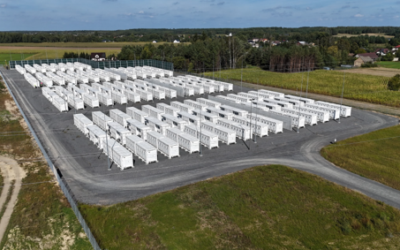
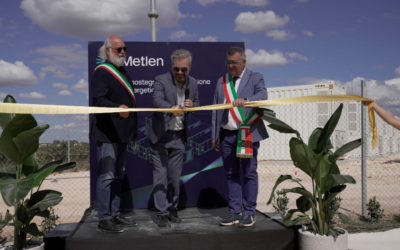
In this news roundup, Metlen inaugurates a 75MWh BESS in Italy, PNE and Enercon develop a wind and storage project in Germany, and Mirova invests €65 million in Nordic BESS from Ingrid Capacity.