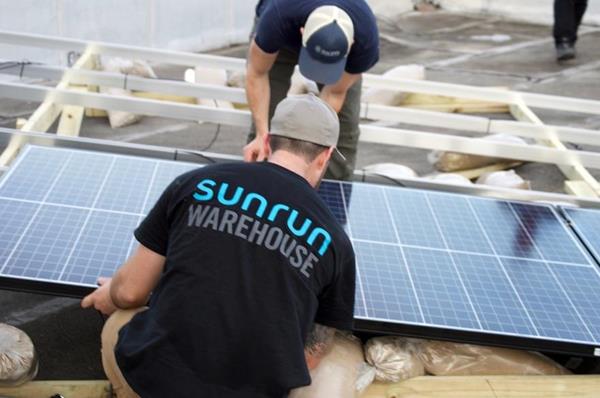
Residential energy solutions provider Sunrun has been selected to develop a 17MW energy storage virtual power plant (VPP) in Puerto Rico.
The Nasdaq-listed firm has been selected by the Puerto Rico Electric Power Authority (PREPA) to organise the VPP programme using distributed energy storage resources. It is part of an effort to rebuild the US territory’s energy system after the devastation of Hurricane Maria in 2017.
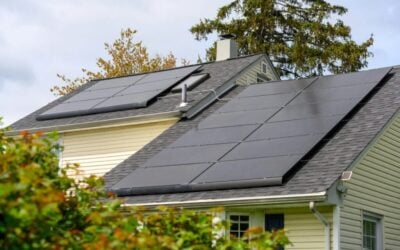
Sunrun said it is the first distributed large-scale storage programme on the island. The VPP will lower energy bills, reduce emissions and shore up the country’s grid by aggregating more than 7,000 Sunrun residential solar-plus-battery-storage systems, the company said.
It will start enrolling customers for the next 12 months and begin networked dispatches in 2024. Participants will be compensated for strategically sharing energy with the country’s grid, while systems will retain enough backup power for homes in case of a grid outage.
Try Premium for just $1
- Full premium access for the first month at only $1
- Converts to an annual rate after 30 days unless cancelled
- Cancel anytime during the trial period
Premium Benefits
- Expert industry analysis and interviews
- Digital access to PV Tech Power journal
- Exclusive event discounts
Or get the full Premium subscription right away
Or continue reading this article for free
In the long run, VPPs should also reduce overall costs for electricity consumers by lowering grid costs, but they do require participants to give up a significant degree of control over their residential solar and storage resources.
The project is the result of the Puerto Rico Energy Public Policy Act, which was signed two years after Hurricane Maria and set the parameters to maximise the used of distributed energy resources (DERs). The Puerto Rico Energy Bureau (PREB) determined that VPPs were key to achieving the Act’s goals of building a resilient energy system and meeting the island territory’s renewable generation aims.
Another extreme weather event just a month ago, Hurricane Fiona, provided a stark reminder of the need such a rollout when it knocked out the island’s grid leaving practically the entire island – over three million people – without power.
Sunrun says its solar-plus-battery systems provided more than 350,000 hours of backup power to thousands of homes during Fiona. The company offers its systems on the island with the option of a monthly fee and no upfront cost, and the VPP announcement contained several testimonials from existing customers on the island.
“My solar and battery system kept my lights on and my family safe during Hurricane Fiona,” said Hector Jimenez, a Sunrun customer in San Juan, the capital.
“Because of the solar battery system we installed on the roof of our station after Hurricane Maria, our communications systems were powered all night and day during Fiona, enabling us to respond to emergency calls,” said former San Juan Metro Fire Station Lt. Francisco Cruz.
The VPP programme is subject to a sign-off by the Puerto Rico Energy Board and the Fiscal Oversight Management Board.
The US unincorporated territory has also been seeking to increase its utility-scale energy storage through a recent request for proposals (RFP) for co-located projects. It is targeting a total of 1,500MW of storage through both utility-scale and DER units, and a 100% renewable energy mix by 2050.
Sunrun has been involved in other high-profile VPPs in mainland US states such as California, where residential and commercial and industrial C&I batteries helped keen the lights on during extreme summer weather, and a programme in the New England region.