Battery energy storage system integrator Powin has acquired EKS Energy, a provider of advanced power electronics and energy management solutions for energy storage and renewables.
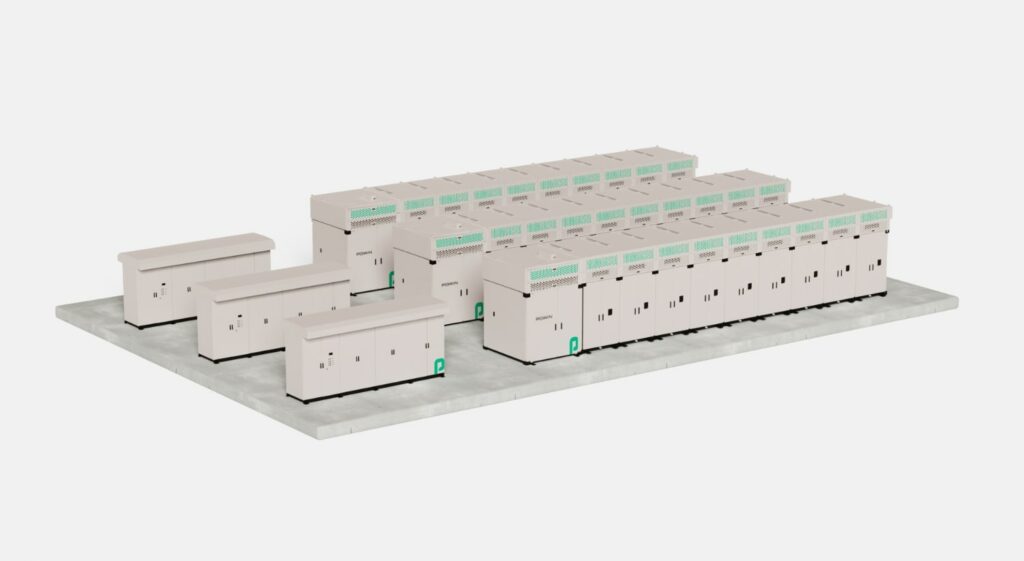
Oregon-based Powin said the acquisition will enable it to deliver a complete AC energy storage platform that can interface with multiple generation assets, is capable of advanced control functionality to support microgrid applications and comply with the most challenging grid codes.
EKS Energy describes itself as a designer, manufacturer and system integrator of advanced power electronics and energy management solutions (EMS) for distributed energy generation/storage and grid management.
It appears to either be a carve-out or a re-brand of the company GPTech (Greenpower Technologies Group), which was founded in Sevilla, Spain. EKS/GPTech has deployed battery storage systems in Puerto Rico, Hawaii, Massachusetts and Chile while GPTech had revenue of €45 million in 2021 (US$44.5 million), according to Spanish outlets.
Try Premium for just $1
- Full premium access for the first month at only $1
- Converts to an annual rate after 30 days unless cancelled
- Cancel anytime during the trial period
Premium Benefits
- Expert industry analysis and interviews
- Digital access to PV Tech Power journal
- Exclusive event discounts
Or get the full Premium subscription right away
Or continue reading this article for free
GPTech was in the top 10 energy storage inverter suppliers in IHS Markit’s Energy Storage (PCS) – Market Overview report for 2020.
The deal adds EKS’ Power Conversion System and Power Plant Controller to Powin’s offering, while other new products include PV inverters, DC-to-DC converters and multi-port inverters, which maximise performance and profits for utility-scale solar-plus-storage projects.
In an interview with Energy-Storage.news back in May, Powin CEO Geoff Brown agreed that providing a software package that covered renewable generation assets as well as energy storage was essential for system integrators.
When asked if the company would build these capabilities in-house or through acquisitions, at the time he said: “We’re evaluating all options but I would not necessarily agree that it’s a necessity to do it inorganically”.
In a press release announcing the acquisition, Brown said: “This landmark deal accelerates our mission to building the grid of the future by delivering safe, scalable and integrated storage solutions.”
Powin has gone through several changes in its financial and shareholding structure in the last few months. In June, it sold a minority stake to an investment arm of Samsung Group. Then, just a month later, it raised US$135 million from existing investors Trilantic, Energy Impact Partners and new investor GIC, the Singaporean sovereign wealth fund.
In project news, in August it entered into a partnership with a developer in Australia to deploy over 1.7GWh of its battery storage solutions across the country over a two-year period.