Australian utility Origin Energy has confirmed that the first stage of the Eraring battery energy storage system (BESS) in New South Wales (NSW) has been energised.
The utility confirmed via a LinkedIn post yesterday (09 December) that the site’s new substation is now connected to the grid, enabled via the support of TransGrid’s commercial project services arm Lumea.
This has initiated the project’s commissioning phase, with the site on track to begin operations late next year.
The first stage of the Eraring BESS, which recently became Australia’s largest approved system following approval of a third stage, was delivered by Finnish marine and energy technology group Wärtsilä. The group is also contracted to deliver the second and third stages of the project.
Try Premium for just $1
- Full premium access for the first month at only $1
- Converts to an annual rate after 30 days unless cancelled
- Cancel anytime during the trial period
Premium Benefits
- Expert industry analysis and interviews
- Digital access to PV Tech Power journal
- Exclusive event discounts
Or get the full Premium subscription right away
Or continue reading this article for free
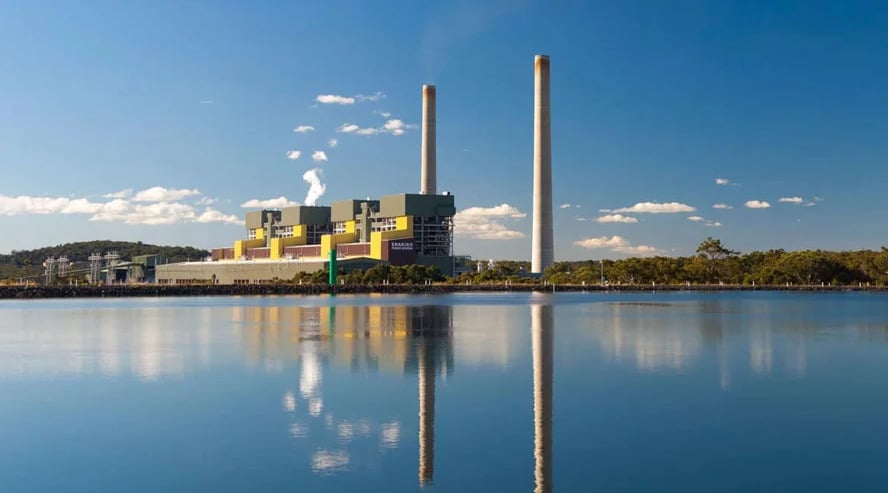
Stage one of the project features a 460MW BESS with a 2-hour duration (920MWh). Stage two will add a further 240MW. The 700MWh third stage will enable the Eraring BESS to reach 2,800MWh capacity, enabling it to match the 2.8GW power output of the black coal-fired power station on which the site is located.
In an Energy-Storage.news Premium interview published earlier this week, Andy Tang, vice-president of Wärtsilä Energy Storage & Optimisation, said the Eraring BESS will help showcase the feasibility of deploying multi-gigawatt-scale energy storage systems to the world.
“You have some desert projects in the US that occasionally hit the 1GWh range. But with Australia, between this project and some of the other announced projects that are going on, 1GWh almost seems like the average size,” Tang told Energy-Storage.news.
“The Eraring project, at over 2GWh, is massive globally. It’s about proving that these things can be done at scale. I think that’s important.”
The Eraring BESS project is part of Origin’s plans to withdraw Australia’s largest coal-fired power station from service and instead contribute to the uptake of variable renewable energy generation technologies, such as wind and solar. It is located in the Eraring suburb of the City of Lake Macquarie, approximately 130km north of the state capital, Sydney.
The coal power plant was scheduled to close in August 2027, but the original date of 2025 was pushed back due to a request by the New South Wales government to “guarantee a maximum of electricity supply.”
The Eraring BESS is not the only utility-scale storage project Origin Energy is developing. The organisation is also behind the 300MW/650MW Mortlake BESS in Victoria, which started construction in late August.