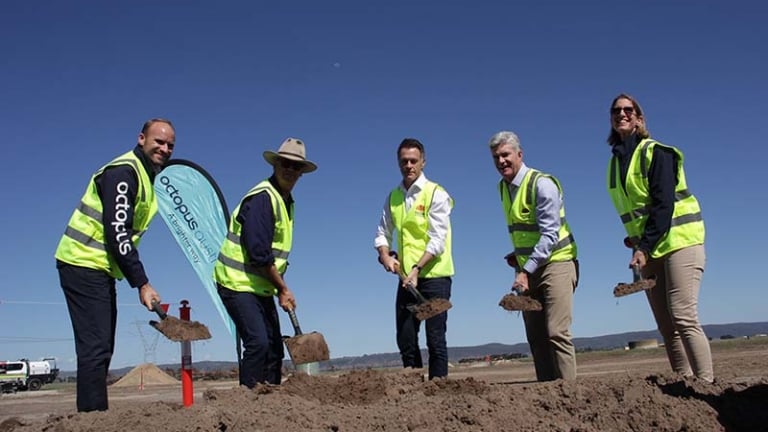
Octopus Australia has broken ground on the 486MWh Blind Creek Solar Farm and Battery site in New South Wales (NSW).
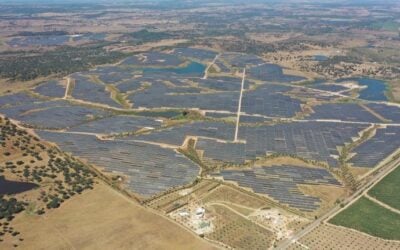
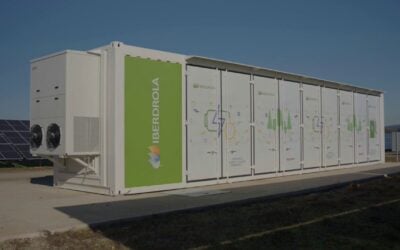
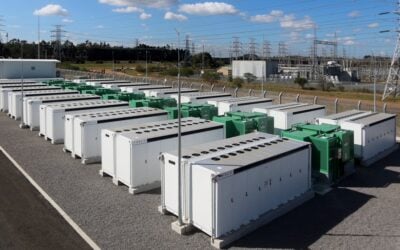
The project combines a 300MW solar PV power plant with a 243MW/486MWh battery energy storage system (BESS) located 8km northeast of Bungendore in the Southern Tablelands between Sydney and Canberra.
The facility represents one of the largest DC-coupled solar-battery hybrid developments to reach financial close in Australia’s renewable energy sector and will generate approximately 735GWh of renewable energy annually while providing grid stability services to the National Electricity Market (NEM).
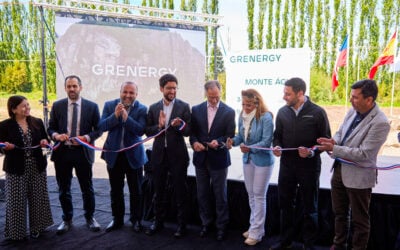
NSW Premier Chris Minns attended the groundbreaking ceremony and emphasised the critical role such developments play in maintaining energy security while supporting regional communities.
Try Premium for just $1
- Full premium access for the first month at only $1
- Converts to an annual rate after 30 days unless cancelled
- Cancel anytime during the trial period
Premium Benefits
- Expert industry analysis and interviews
- Digital access to PV Tech Power journal
- Exclusive event discounts
Or get the full Premium subscription right away
Or continue reading this article for free
“This is the kind of project NSW needs as we replace ageing energy infrastructure. We need to keep the lights on, keep costs as low as possible, and keep regional communities with us along the way,” Minns said.
SMA will supply inverter technology, whilst Wärtsilä will provide the DC-coupled battery storage system.
The DC-coupled configuration enables direct current flow from solar modules to the battery storage system through DC/DC converters before final conversion to alternating current for grid connection.
This architecture reduces conversion losses and connection costs while optimising energy delivery during peak pricing periods, addressing the growing need for firmed renewable energy as coal stations retire.
DC-coupled battery storage systems could prove critical to the success of the country’s utility-scale solar PV fleet. In a recent interview with ESN Premium, Neha Sinha, product manager for energy storage systems at Wärtsilä Energy Storage, believes there is a necessity for co-located battery storage to address emerging market challenges and maximise system potential.
Institutional backers of the AU$900 million solar-plus-storage site
In November last year, Octopus Australia achieved financial close on the AU$900 million (US$587 million) Blind Creek Solar Farm and Battery site.
As reported by Energy-Storage.news at the time, the project financing structure included investment from Hostplus, Rest Super, the Clean Energy Finance Corporation, Westpac Private Bank, and global infrastructure leader APG.
This diverse investor base reflects institutional confidence in DC-coupled hybrid technology and the fundamentals of Australia’s renewable energy market.
The involvement of APG represents part of a broader AU$1 billion investment commitment by the Dutch pension fund into Octopus Australia’s renewables platform, demonstrating international capital’s growing interest in Australian clean energy infrastructure.
Octopus Australia has been particularly active in the NSW market, having previously acquired a 4.8GWh battery storage project portfolio across the state as part of its expansion strategy.
The Blind Creek project received development consent from the NSW Department of Planning, Housing and Infrastructure in July 2023, followed by grid connection approval from the Australian Energy Market Operator (AEMO) in May 2025.
The facility will connect via a new substation into the transmission backbone between Sydney and Canberra, with full operational status scheduled for 2028. Construction is being led by EPC contractor GRS, ensuring the project meets the technical specifications required for grid integration and long-term operational performance.
The Energy Storage Summit Australia 2026 will be returning to Sydney on 18-19 March. It features keynote speeches and panel discussions on topics such as the Capacity Investment Scheme, long-duration energy storage, and BESS revenue streams. ESN Premium subscribers receive an exclusive discount on ticket prices.
To secure your tickets and learn more about the event, please visit the official website.