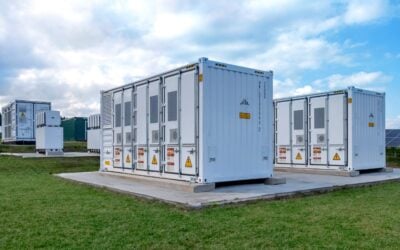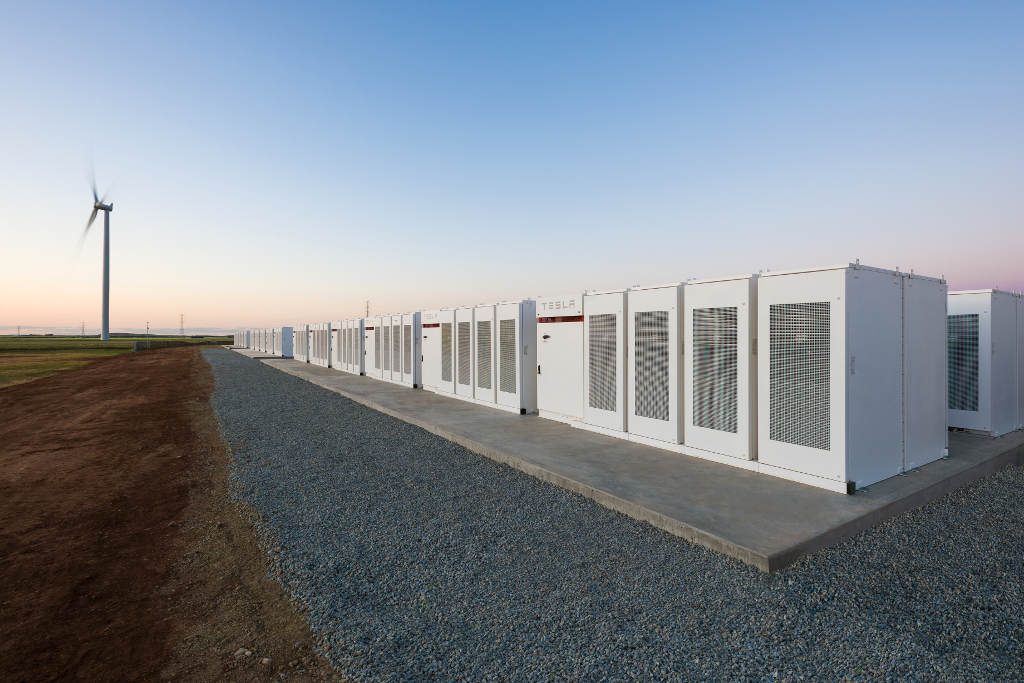
The 30GWh battery farm would far outdo any project so far on the planet for size – pictured is the world’s current biggest, the Hornsdale Power Reserve in South Australia (129MWh, undergoing expansion of an extra 64.5MWh). Image: Neoen-Tesla.
A renewable energy project that could provide up to 20% of Singapore’s electricity needs has been fast tracked by the Australian government.
Major Project Status has been granted to Sun Cable’s proposed Australian-ASEAN Power Link (AAPL), which would be one of the world’s largest dispatchable renewable electricity systems, supported by the “world’s largest battery and solar farm”, to be located in the Barkly region, Northern Territory.
The AU$22 billion (US$15.79 billion) project features a 4,500km high voltage direct current (HVDC) transmission system connecting a 10GW solar / 30GWh storage facility near Darwin with Singapore and eventually Indonesia.
To read the full version of this story, visit PV Tech.
This article requires Premium SubscriptionBasic (FREE) Subscription
Already a subscriber? Sign In
Try Premium for just $1
- Full premium access for the first month at only $1
- Converts to an annual rate after 30 days unless cancelled
- Cancel anytime during the trial period
Premium Benefits
- Expert industry analysis and interviews
- Digital access to PV Tech Power journal
- Exclusive event discounts