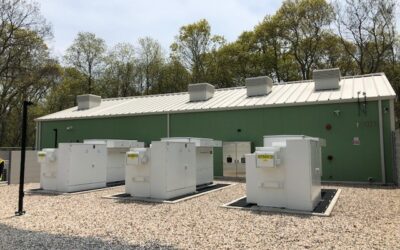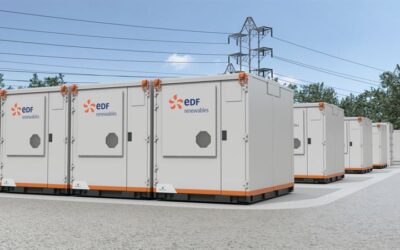
While a recent study said 10GW of energy storage by 2030 would offer overall benefit to Nevada, NV Energy will move forward with an Integrated Resource Plan: 1,000MW of renewables including 100MW of storage – by 2021.
NV Energy, a Nevada utility owned by billionaire investor Warren Buffet’s Berkshire Hathaway vehicle, serves around 1.2 million customers in north and south Nevada, with electricity, as well as millions more tourists.
Just before the Christmas Holiday period in the last two weeks of 2018, regulators in the US state approved NV Energy’s proposal, which had been tabled in June. The plan would double NV Energy’s renewables deployment by 2023, green-lit by the Nevada Public Utilities’ Commission (PUC). NV Energy confirmed in a release that the plan will entail US$2 billion of investment, creating 80 long-term jobs and 1,700 roles during construction.
By the time the projects are completed, expected during 2021, NV Energy would have 3,000MW of renewable energy resources in operation. Wholesale electricity costs are expected to fall as a consequence of the investment in clean energy. The plan includes six projects in the state, while the company also has out a 350MW request for proposals (RFP) for large-scale solar projects.
Try Premium for just $1
- Full premium access for the first month at only $1
- Converts to an annual rate after 30 days unless cancelled
- Cancel anytime during the trial period
Premium Benefits
- Expert industry analysis and interviews
- Digital access to PV Tech Power journal
- Exclusive event discounts
Or get the full Premium subscription right away
Or continue reading this article for free
The utility, one of only two regulated public utilities serving retail customers in the state, already offers incentives for eligible homeowners and businesses to deploy home or commercial & industrial battery storage systems from 4kW to 1,000kW. Depending on system size, up to US$2,000 or US$3,000 could be applied for, with payments capped at US$1,000,000 for every step of the programme.
From a bigger picture perspective, it’s not quite what the energy storage industry might have hoped for in the best case scenario but is certainly a big step forward. A recent study by consultancy The Brattle Group (commissioned by the PUC) determined that certain levels of energy storage deployment: 200MW by 2020, 1,000MW by 2030, along with 40MW of behind-the-meter resources would give a net benefit for the state.
The US Energy Storage Association used the study as a basis to advocate for the introduction of energy storage deployment targets through policy SB 204, noting also that even higher levels of deployment would produce a net benefit.” SB 204 was approved and passed in July 2018 and calls for the PUC to determine whether the establishment of energy storage deployment target policies would be suitable for Nevada and its citizens.
“The economics of advanced energy are undeniable – projects are penciling at record-low costs while saving money for businesses and consumers,” Ray Fakhoury, state policy manager at trade group Advanced Energy Economy, said of the plan’s approval.
“The PUCN’s determination is another step in the right direction, ensuring Nevada diversifies its energy mix while improving the state’s regional competitive advantage as an attractive destination for the businesses of all sizes,” Fakhoury said. Advanced Energy Economy’s membership includes the likes of Microsoft and Apple, as well as many clean energy companies themselves.