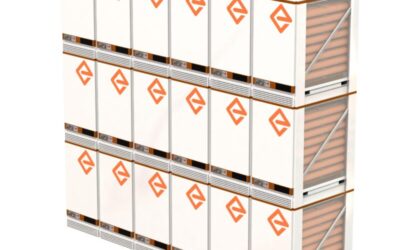
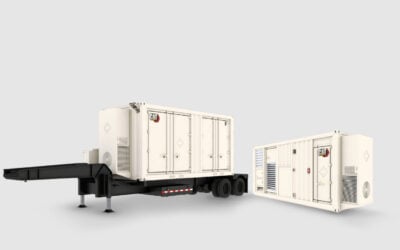
EnerVenue has launched an integrated energy storage system (ESS) solution comprised of its metal-hydrogen batteries, which it claims are capable of 30,000 cycles or more.
A vanadium redox flow battery (VRFB) with a 24-hour discharge duration will be built and tested in a project launched by Pacific Northwest National Laboratory (PNNL) and VRFB technology provider Invinity Energy Systems.
After a difficult couple of years which saw the trend of falling lithium battery prices temporarily reverse, a 14% drop in lithium-ion (Li-ion) battery pack cost from 2022-2023 has been recorded by BloombergNEF.
The UK government has published its ‘Battery Strategy’, setting out measures to facilitate the growth of a domestic battery industry to support the EV and energy storage system (ESS) sectors.
Cost and availability of raw materials is the biggest among a number of challenges that must be addressed if US-made products will be able to meet demand for battery storage in the country.
The EU has today (23 November) launched a grant funding opportunity worth €4 billion (US$4.4 billion) for upstream and downstream clean energy projects, including energy storage.
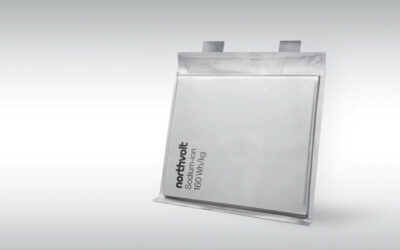
Gigafactory company Northvolt and sodium-ion battery technology firm Altris have together revealed a battery with an energy density of 160Wh/kg, designed for energy storage systems.
New guidance from the US government clarifying rules around tax credit incentives for energy storage and offshore wind energy has been welcomed by clean energy trade associations.
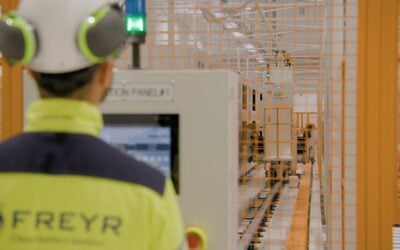
We caught up with Birger Steen, CEO of lithium-ion gigafactory company Freyr Battery, about its recent decision to minimise European investments in light of the Inflation Reduction Act, discussing a potential policy response and its approach to ESS and using conventional technologies.