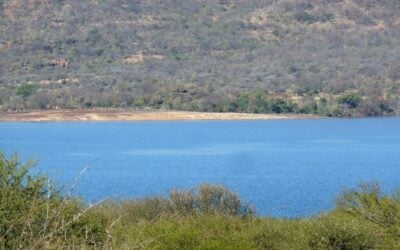
The Energy Regulatory Office (ERO) of Kosovo is reviewing an application to build a 250MW pumped hydro storage facility.
The ERO lists the project, titled ‘DRINI PSHP – REVERZIBIL/PRIZREN‘ as one of four projects for which it has received requests to authorise the start of construction from the company behind the project, local construction outfit Eurokos.
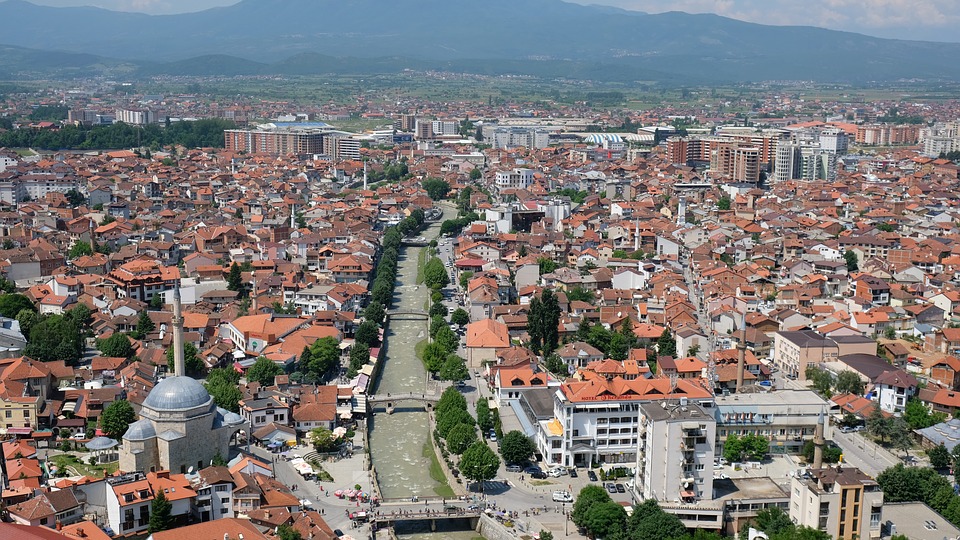
Eurokos signed a grid connection agreement with Kosovo’s transmission system operator KOSTT back in 2020 for the project, which is to be sited near a KOSTT substation near Prizren, a city in the southwest of the disputed state.
Reports at the time said the project would cost around €300 million (US$317 million) to build with a further €27 million needed to upgrade local transmission infrastructure to accommodate it.
Try Premium for just $1
- Full premium access for the first month at only $1
- Converts to an annual rate after 30 days unless cancelled
- Cancel anytime during the trial period
Premium Benefits
- Expert industry analysis and interviews
- Digital access to PV Tech Power journal
- Exclusive event discounts
Or get the full Premium subscription right away
Or continue reading this article for free
It is one of four projects at a similar stage of review by the ERO totalling around 300MW. The other three are biomass, wind and run-of-river hydro facilities.
Eurokos’ previous projects include roads and bridges and it also says it is involved in the construction of the wind and run-of-river hydro projects ERO is reviewing, launched by DARDANA INVEST and HIDROENERGJI respectively.
It is the second large energy storage project in Kosovo to make headlines this year. Last month, the government announced plans to build a battery energy storage system (BESS) with a capacity of 200MWh-plus to deal with the country’s energy crisis, as reported by Energy-storage.news.
Part of that project will be funded from a US$234 million grant from a US aid agency, which was initially going to go towards a new gas pipeline to North Macedonia, until recent gas price spikes made that uneconomical.