The Senate of Illinois has passed legislation that will commit the US state to reaching 50% renewables by 2040 and 100% carbon-free electricity by 2045.
Dubbed the Climate and Equitable Jobs Act, the bill also includes a 40% interim renewable energy target by 2030 that is expected to support the construction of more than 4GW of utility-scale PV and 5.8GW of rooftop and community solar, according to the Solar Energy Industries Association (SEIA).
The trade body said the legislation “puts Illinois at the forefront of the fight against climate change” and will provide more than US$1 billion in electricity bill savings for consumers.
Three years in the making, the bill will see the Illinois Power Agency will procure around 2.5 million new renewable energy credits (RECs) by June 2022 and 3.8 million new RECs per year between 2022 and 2030. According to SEIA, the act “guarantees that renewable energy growth will create tens of thousands” of union jobs in Illinois.
Try Premium for just $1
- Full premium access for the first month at only $1
- Converts to an annual rate after 30 days unless cancelled
- Cancel anytime during the trial period
Premium Benefits
- Expert industry analysis and interviews
- Digital access to PV Tech Power journal
- Exclusive event discounts
Or get the full Premium subscription right away
Or continue reading this article for free
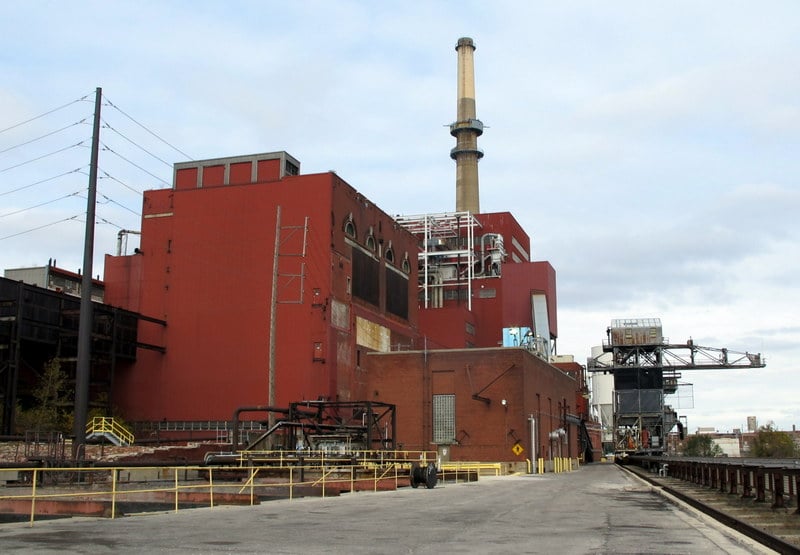
Included in the legislation is a Coal to Solar and Storage Initiative that will make US$280.5 million available to energy storage projects installed at the sites of certain retiring coal plants in the state. Grants of up to US$110,000 per megawatt of energy storage capacity, capped at US$28 million per year, will be available. Facilities must be at least 37MW, constructed using prevailing wage and project labour agreements and meeting minimum standards on diversity and equity.
Utility companies must also provide US$250/kWh in rebates for installed capacity of energy storage paired with distributed generation for customers that are not eligible for net metering, or US$300/kWh for customers that are. The regulator, the Illinois Commerce Commission will establish a new value after the end of 2024, and that new value must be no less than that current value.
A proceeding will also be undertaken at the Commerce Commission to determine how best to support energy storage through market mechanisms and state policy. These could include incentive programmes, standards for use of energy storage to meet peak demand on the grid, deciding whether the Illinois Power Agency should procure energy storage, as well as other measures. A report needs to be submitted to lawmakers by the commission on this topic by the end of May next year.
It was also revealed that the Senate voted to provide US$700 million in subsidies to Exelon over the next five years to keep two nuclear plants running. According to the company, more than 60% of Illinois’ electricity consumption currently comes from its six nuclear plants in the state.
The energy bill now heads to the desk of state Governor J.B. Pritzker, who said he looks forward to signing the measures into law as soon as possible, adding: “After years of debate and discussion, science has prevailed, and we are charting a new future that works to mitigate the impacts of climate change here in Illinois.”
In April, power generation holding company Vistra announced that it had brought forward the closure date of a 1GW coal power plant in the state which is operated and owned by one of its subsidiaries, from 2025 to 2022. In doing so, Vistra asked for legislation designed to assist the transition from coal to renewable energy in Illinois.
A version of this story first appeared on PV Tech.
Additional reporting for Energy-Storage.news by Andy Colthorpe.