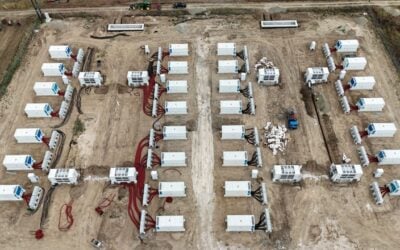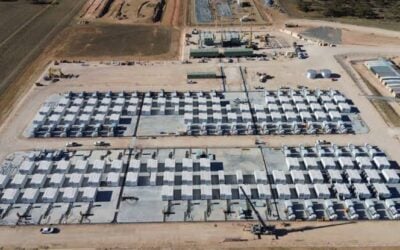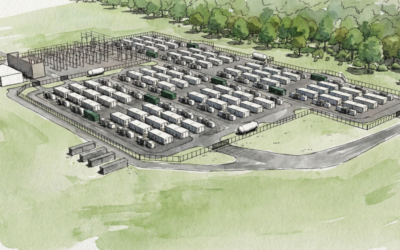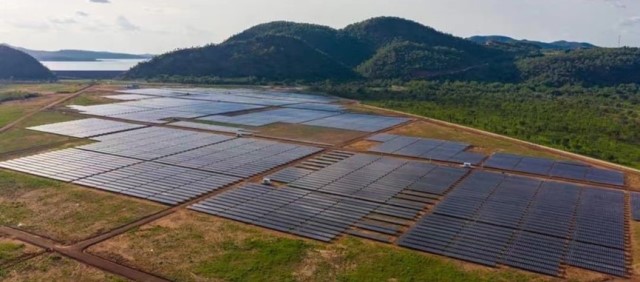
Huawei Digital Power has agreed to provide the complete solar PV and energy storage system (ESS) solution for what looks set to be the biggest project of its type in Africa so far.
The digital and power electronics division of Chinese tech company Huawei has signed a strategic cooperation agreement for the project in Ghana with Meinergy, a developer of projects in the electric power, mining and solar PV sectors in the West African country.
The project will include 1GW of solar PV generation and 500MWh of battery storage.
Huawei Digital Power and Meinergy have collaborated on previous clean energy projects in Ghana, including utility-scale PV, PV and hydropower hybrids, residential PV and energy storage. The pair expect to collaborate further on projects in Africa including PV and storage plants, data centres and cloud-computing, Huawei said.
Try Premium for just $1
- Full premium access for the first month at only $1
- Converts to an annual rate after 30 days unless cancelled
- Cancel anytime during the trial period
Premium Benefits
- Expert industry analysis and interviews
- Digital access to PV Tech Power journal
- Exclusive event discounts
Or get the full Premium subscription right away
Or continue reading this article for free
Ghana already has quite a lot of hydroelectric power resources, which provide more than 40% of the country’s electricity, but the remainder of power on the grid is nearly all thermal generation and as of 2019, utility-scale solar only accounted for 0.6% of total installed generation capacity.
However, among the aims of the government’s Renewable Energy Master Plan (REMP) is an increase of renewable generation in the national mix to 10%, which means deploying more than 1GW of renewables by 2030. Energy access for off-grid citizens is also a key aspect of the plan.
While deployment of large-scale battery storage has so far been slow across Africa and largely limited to mining industry microgrids, Energy-Storage.news has reported on a number of recent projects from the continent, several of which mark milestones for the industry.
Mozambique’s first grid-scale solar-plus-storage project achieved financial close late last year and is underway, grant funding for Namibia’s first grid-scale ESS was awarded by German national development bank KfW and Norwegian company Scatec brought out a novel solar-plus-storage leasing model for its utility company customer in Cameroon.
Huawei meanwhile has signed a contract for another of the world’s biggest battery projects, a 1,300MWh system to be installed at Red Sea Project, a new luxury ‘sustainable’ resort development on the Saudi Arabian coast.