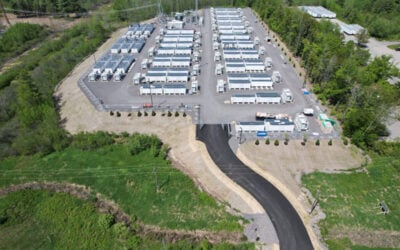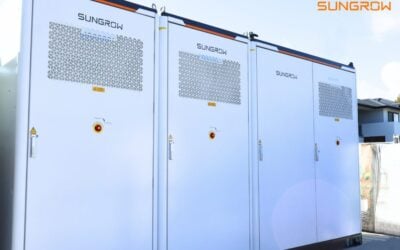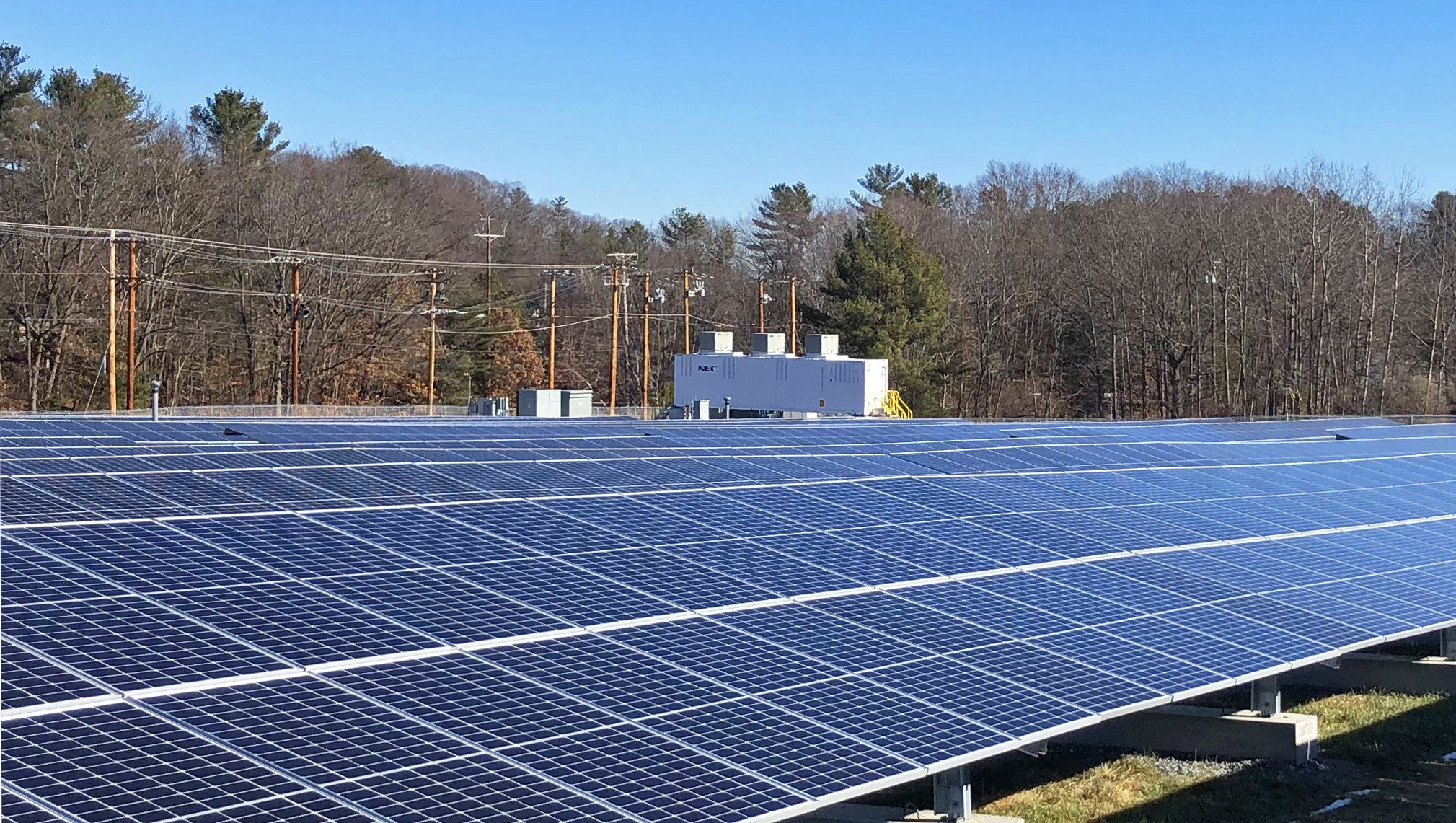
The US utility-scale energy storage market is projected to maintain its position as the world’s largest and fastest-growing in the coming years, according to a new report from Guidehouse Insights.
Despite the rapid growth, the development of new utility-scale energy storage systems (ESSs) remains highly concentrated in a few states. The market research provider’s report shows California, New York, and Texas lead the top 10 US energy storage markets.
Alex Eller, senior research analyst with Guidehouse Insights, said utility-scale energy storage in the US “has quickly transformed from an expensive and poorly understood niche technology to a major source of new investment”.
“While several states have seen a blossoming storage industry, many others have little to no utility-scale energy storage currently operating,” he said.
Try Premium for just $1
- Full premium access for the first month at only $1
- Converts to an annual rate after 30 days unless cancelled
- Cancel anytime during the trial period
Premium Benefits
- Expert industry analysis and interviews
- Digital access to PV Tech Power journal
- Exclusive event discounts
Or get the full Premium subscription right away
Or continue reading this article for free
“However, this reality is expected to change quickly as the falling costs of batteries and other technologies allow utility-scale energy storage projects to compete directly with conventional fossil fuel systems.”
The report, ‘Leading US States for Utility-Scale Energy Storage’, says the US utility-scale energy storage market is the most diverse in terms of the uses of energy storage and the number of competitors and technologies.
It notes that while the market is highly fragmented, additional states are quickly emerging as strong markets. However, the report warns of varying market structures, regulations and economic applications for projects in different states.
Speaking at the Energy Storage Digital Series online conference hosted by our publisher Solar Media earlier this year, Alex Eller said “one of the most impactful” energy storage policies in the US has been the state-level energy storage deployment targets, which require utilities to procure energy storage.
Currently, the seven states that have these targets in place are: New York, New Jersey, California, Nevada, Massachusetts, Oregon and Virginia.