Genex progresses on funding for Australia’s largest PV and pumped hydro project

August 3, 2017
LinkedIn
Twitter
Reddit
Facebook
Email
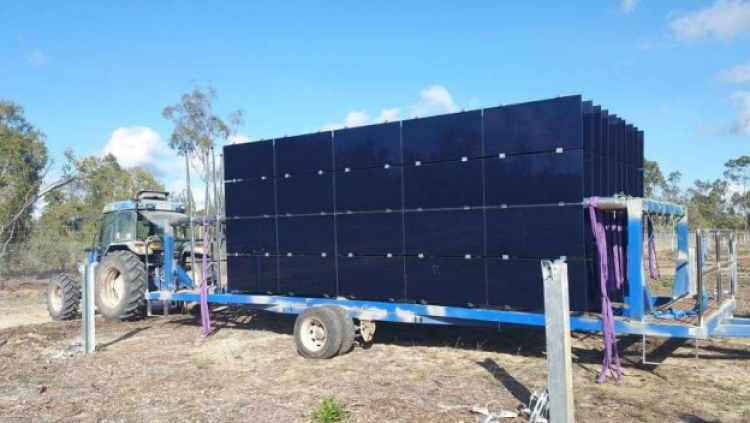
Construction of the first 50MW solar phase is currently on time and within budget, Genex said. Credit: Genex

Australian energy firm Genex Power has received first-round board approval from the Northern Australia Infrastructure Facility (NAIF) for potential debt funding of its 270MW solar PV and 250MW pumped hydro projects, that are part of the Kidston Renewable Energy Hub, in Northern Queensland.

These huge projects are Phase Two of the Hub development, following an initial 50MW solar project for which Genex is progressing with construction on schedule and within budget, according to a company release. First generation from the Phase One project is expected in Q4 this year, with full completion in Q1 2018. The 50MW project reached financial close in February.

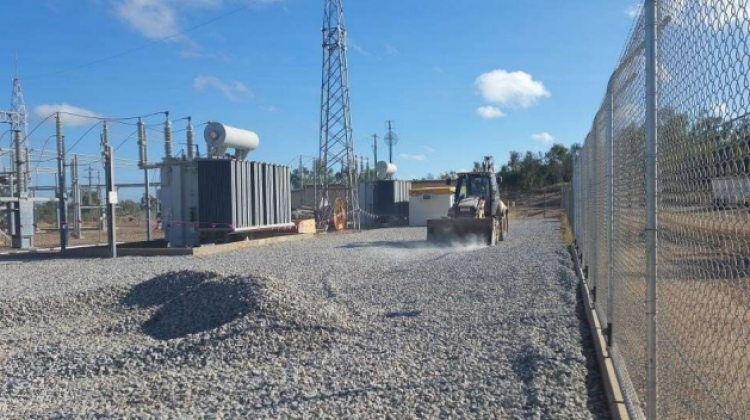
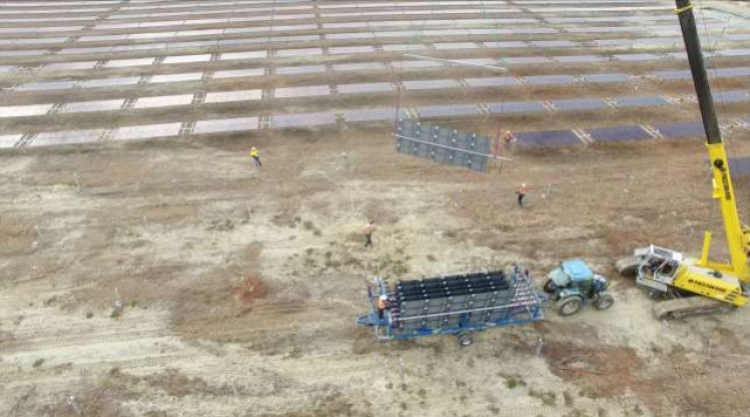
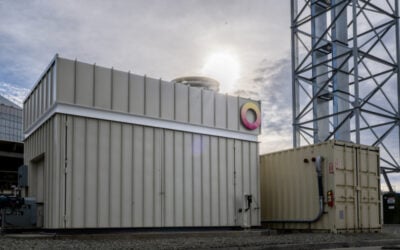
Genex provided a number of pictures showing the first 50MW phase being put together:

This article requires Premium SubscriptionBasic (FREE) Subscription

Try Premium for just $1

  • Full premium access for the first month at only $1
  • Converts to an annual rate after 30 days unless cancelled
  • Cancel anytime during the trial period

Premium Benefits

  • Expert industry analysis and interviews
  • Digital access to PV Tech Power journal
  • Exclusive event discounts

Or get the full Premium subscription right away

Or continue reading this article for free
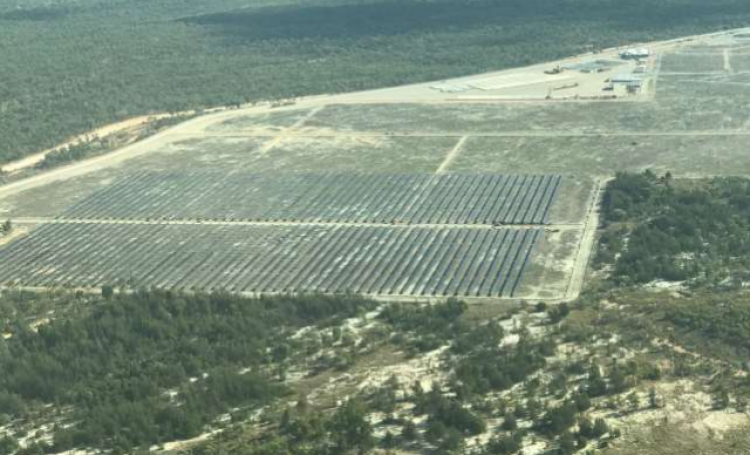
Image: Genex.
Image: Genex.
Image: Genex.

Genex Power managing director Michael Addison said: “The Project was recently declared by the Queensland Government as a Critical Infrastructure Project in conjunction with the Phase Two Projects (270MW Solar and 250MW Pumped Hydro), 275kV transmission line easement and the Copperfield Dam easement.”

Genex is now focusing its attention on the Phase Two projects, seeking energy partners, debt financing and energy infrastructure firms.

The second phase is particularly interesting given that it will potentially pair the solar generation with pumped hydro, allowing for 24-hour power from renewables. Genex published a study at the end of last year that the company claimed showed it would be technically feasible to connect the PV plant with the pumped hydro facility.
15 April 2026
Milan Marriott Hotel, Italy
Solarplus Europe 2026 marks the evolution of Europe’s longest-running solar conference, reflecting the industry’s transition from standalone PV to fully integrated solar-plus-storage and hybrid energy systems. Taking place in Milan, the Summit will unite developers, investors, policymakers, and technology leaders to explore how Europe can deliver firm, flexible, and bankable renewable power at scale. With a sharp focus on system integration, storage deployment, hybrid project design, and market-ready business models, Solarplus Europe provides the platform for shaping the next phase of the continent’s solar and clean power build-out.

Read Next

Premium
April 13, 2026
We catch up with Tamara de Gruyter, president of Wärtsilä Energy Storage, to discuss the system integrator’s strategy under new leadership.
April 13, 2026
A 150MWh system has been granted approval in Australia, whilst a 1,000MWh system has been submitted for federal consideration.
April 12, 2026
James Costello, CEO of EORA Energy, argues that long-duration vanadium redox flow battery storage is critical to Western Australia’s decarbonisation efforts, particularly for remote mining operations.
April 10, 2026
Australia’s heavy reliance on imported fossil fuels has left households and businesses dangerously exposed to global energy shocks, with the current conflict involving the US and Iran costing motorists more than AU$1 billion (US$710 million) in March alone.
April 10, 2026
New South Wales has been warned that it must accelerate the development of battery energy storage systems to meet its 2030 targets.