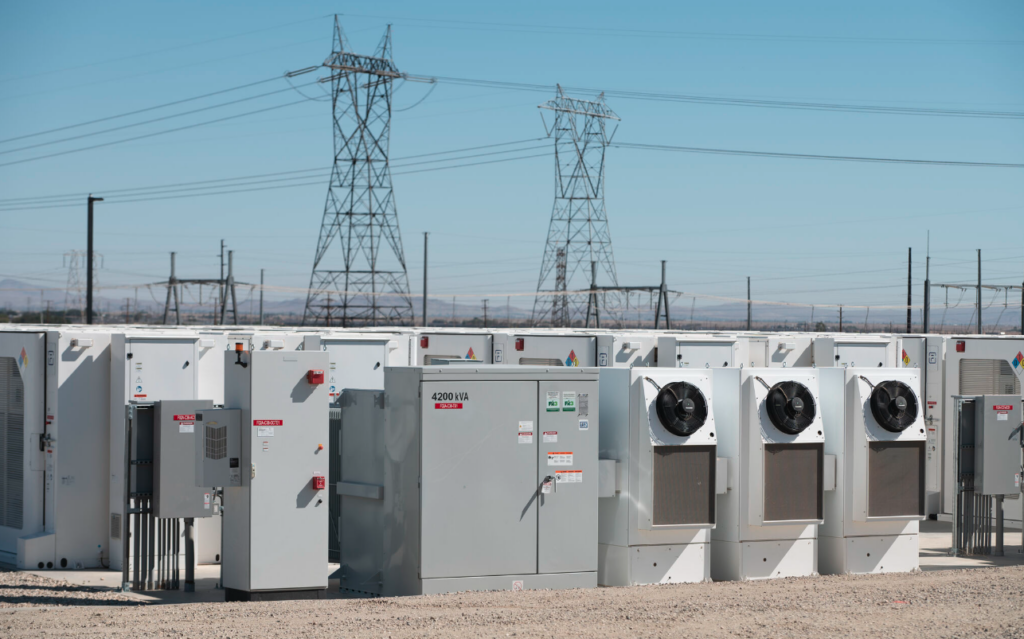
Global battery energy storage system integrator Fluence is using its intelligent bidding software solution to optimise the trading activity of a 508MWh system it recently completed for AES in California.
As Energy-Storage.news reported, AES brought the 127MW/508MWh Lancaster Area Battery (LAB) online on September 2, the second portion of a combined 908MWh site.
Fluence has now made its own announcement about the project and revealed that the LAB system will employ Fluence’s Mosaic platform for intelligent bidding in the state’s wholesale market, operated by the California Independent System Operator (CAISO).
Mosaic’s cloud-based platform will integrate directly with Gridstack, Fluence’s physical energy storage product. This will allow it to process operating constraints and parameters in real-time and employ advanced machine learning (ML) and artificial intelligence (AI) to generate bids that maximise LAB’s market earnings, the company said.
Try Premium for just $1
- Full premium access for the first month at only $1
- Converts to an annual rate after 30 days unless cancelled
- Cancel anytime during the trial period
Premium Benefits
- Expert industry analysis and interviews
- Digital access to PV Tech Power journal
- Exclusive event discounts
Or get the full Premium subscription right away
Or continue reading this article for free
Both LAB and the Luna battery storage system, which makes up the other 100MW/400MWh of the project, will use Fluence’s operational services packages for performance guarantees and maintenance support.
“By utilising several solutions from our ecosystem of products, customers can craft tailored commercial and operational packages that align to their needs,” said Fluence President, Americas, John Zahurancik.
He also said that the units came online at “…just the right time when extreme heat caused spikes in electricity demand and stressed the state’s power grid”.
Fluence’s digital services segment is a small but fast-growing part of the business. In its most recent quarterly results, ‘assets under management’ for its ‘digital projects’ segment grew 310%, versus 95.7% for ‘energy storage services’ and 62.7% for ‘energy storage product’ deployments. It was also the only segment of the three where orders grew, as covered by us at the time.
AES co-founded the company along with technology and engineering firm Siemens and both companies together still hold a majority of its shares after its IPO in late 2021.
Read more Energy-Storage.news coverage of Fluence here, including its deal to build a 250MW ‘Grid Booster’ battery in Germany, an interview with its head of commercial Kiran Kumaraswamy and an analyst’s view on what the appointment of new CEO Julian Nebreda means for the company’s direction.