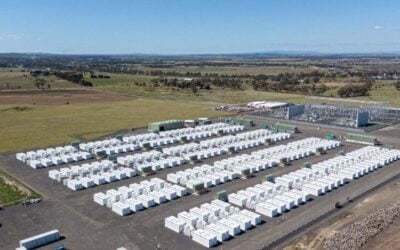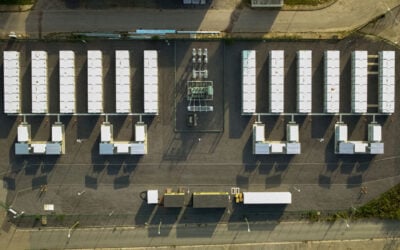
Eesti Energi has completed the procurement for its 26.5MW/51MWh BESS, the first of that scale in Estonia, with LG Energy Solution among the successful parties.
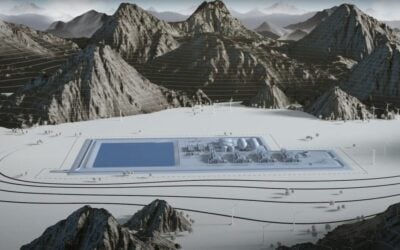
The battery energy storage system (BESS) will be built at the Auvere industrial power plant complex in Ida-Viru county and will help balance the country’s grid, state-owned utility Eesti Energia said today (30 January).
It will come online at the start of 2025, when Estonia and the other Baltic countries Lithuania and Latvia will disconnect from Russia’s grid. The complex is located close to the border with Russia in the northeast of Estonia.
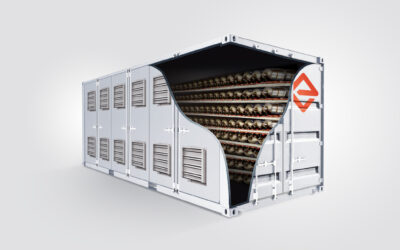
The procurement, launched in June last year, saw local firms Diotech OÜ and Solar Wheel OÜ win a joint tender with LG Energy Solution enlisted to supply the BESS units.
Try Premium for just $1
- Full premium access for the first month at only $1
- Converts to an annual rate after 30 days unless cancelled
- Cancel anytime during the trial period
Premium Benefits
- Expert industry analysis and interviews
- Digital access to PV Tech Power journal
- Exclusive event discounts
Or get the full Premium subscription right away
Or continue reading this article for free
The BESS will participate in various electricity market activities but most importantly will help to cover the frequency containment reserve (FCR) need in the Baltics.
‘We are honoured to contribute to Eesti Energia’s energy plan for desynchronisation (disconnecting from Russia’s grid) in the Baltic countries,’ said Kyuwon Heo, Head of Grid ESS Europe at LG Energy Solution.
Estonia is targeting an exit from electricity production from shale gas and a 40% renewable energy mix by 2030.
The BESS is the first large-scale project in the country but smaller-scale projects are being supported through a grant programme, including a 4MW/8MWh BESS.
Eesti Energia and a consortium of private companies are also launching separate, large-scale pumped hydro energy storage (PHES) projects, though these would come online in the late 2020s.
Energy-Storage.news’ publisher Solar Media will host the 9th annual Energy Storage Summit EU in London, 20-21 February 2024. This year it is moving to a larger venue, bringing together Europe’s leading investors, policymakers, developers, utilities, energy buyers and service providers all in one place. Visit the official site for more info.