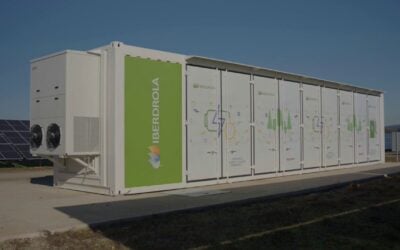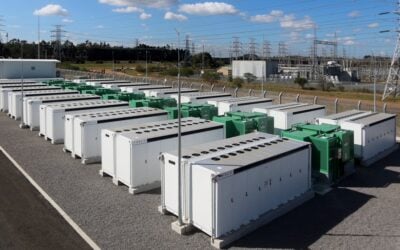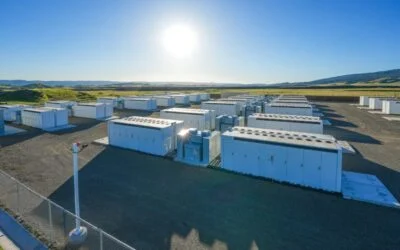
US grid-scale energy storage solutions provider Energy Vault claimed its diversification into new geographies and business models “shielded” its backlog from tariff risk.
The gravity, battery and hydrogen energy storage technology company reported its financial results for the first quarter of 2025 yesterday, noting a 49% growth in its contracted revenue backlog since the beginning of the calendar year.
Backlog stands at US$648 million of bookings. The company claimed that 90% of that comprises orders from customers in Australia, revenues from licensing agreements for its technologies and a recently implemented build, own operate (BOO) business model.
This, Energy Vault claimed, shields the order book’s revenues to be accrued from risks posed by the ongoing US-China trade tariff situation.
Try Premium for just $1
- Full premium access for the first month at only $1
- Converts to an annual rate after 30 days unless cancelled
- Cancel anytime during the trial period
Premium Benefits
- Expert industry analysis and interviews
- Digital access to PV Tech Power journal
- Exclusive event discounts
Or get the full Premium subscription right away
Or continue reading this article for free
The announcement came on the day that US-China trade discussions in fact appeared to have yielded some signs of progress toward lowering of mutually applied import tariffs. China tariff rates of 145% imposed by US president Donald Trump were ratcheted down to 30% plus other applicable tariffs for a 90-day period.
Energy Vault said in its results announcement that while it was too early to take for granted as a done deal, cooling of the trade war could mean upside from the US market, which is currently heavily dependent on imported batteries and other components and materials from China.
Energy Vault share price hovers just above NYSE listing threshold
Overall, however, it was a quarter of continued losses for the technology provider, which first came to prominence as the developer and IP holder of a novel gravity-based energy storage technology that has since diversified into the lithium-ion battery energy storage system (BESS) and long-duration hydrogen storage sectors.
Despite a 10% rise in Q1 revenue year-on-year to US$8.5 million in 2025, driven by a project in Australia and a technology licensing deal in India, a US$17 million increase in cash at hand and a more than doubling of GAAP gross margin to 57.1% from 26.7%, net loss was US$-21.1 million and adjusted EBITDA US$-11.3 million—albeit this was a 22% improvement from US$-14.5 million reported in the same period of 2024.
Energy Vault has struggled to retain its share value since listing via a special purpose acquisition company (SPAC) merger in April 2021. It has received multiple notices from the New York Stock Exchange (NYSE) that the average share price was below the US$1 threshold required, most recently in mid-April.
When markets closed yesterday, the price hovered just above that, at US$1.07, a far cry from the US$18.32 high it hit in April 2022, a year after the shares listed.