The battery energy storage system (BESS) arm of PV module manufacturer Canadian Solar has won a 800MWh order for a project in Arizona from Tucson Electric Power (TEP).
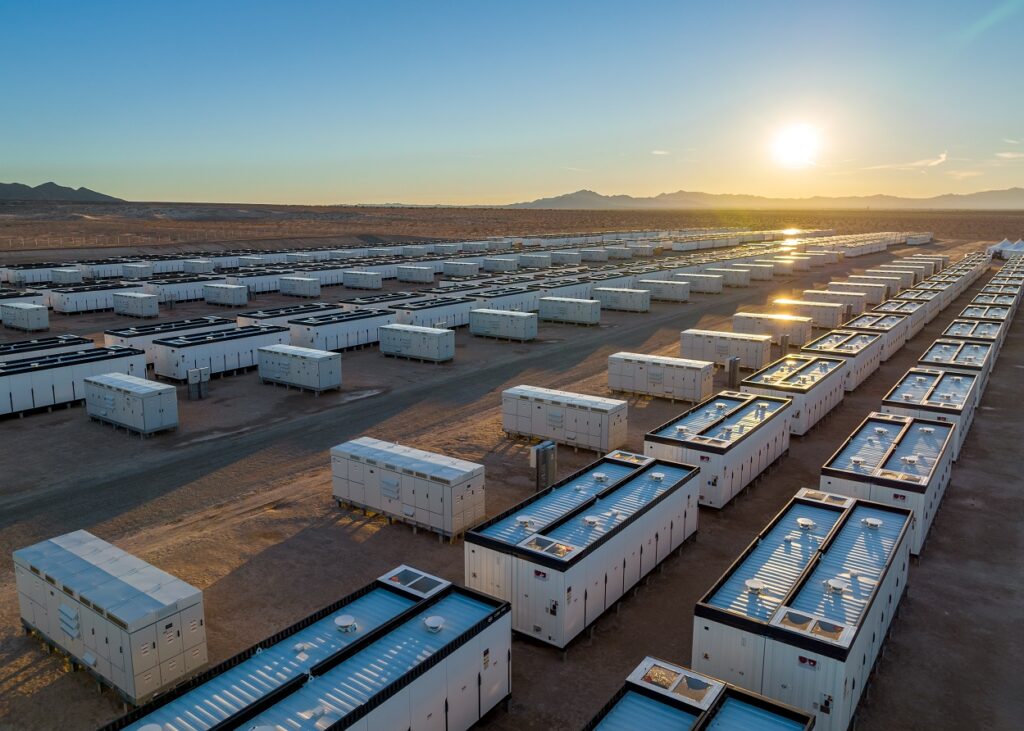
Canadian Solar subsidiary e-STORAGE will provide its proprietary BESS solution SolBank for the 200MW/800MWh Roadrunner Reserve System project, that will be built by construction and engineering firm DEPCOM Power for TEP.
TEP will own and operate the project which is set to come online in the summer of 2025.
SolBank is a lithium iron phosphate (LFP) battery cell-based system which Canadian Solar recently launched having previously used a white-labelled BESS product for its projects. The switch to a proprietary solution was blamed for anticipated flat growth in BESS shipments this year.
Try Premium for just $1
- Full premium access for the first month at only $1
- Converts to an annual rate after 30 days unless cancelled
- Cancel anytime during the trial period
Premium Benefits
- Expert industry analysis and interviews
- Digital access to PV Tech Power journal
- Exclusive event discounts
Or get the full Premium subscription right away
Or continue reading this article for free
The firm is targeting 10GWh of annual BESS production capacity by the end of this year.
Canadian Solar’s announcement described the project for TEP as a “1GWh DC” order, alluding to the need to oversize a project to account for losses during conversion from DC power to AC at the inverter.
It is the firm’s second large order in Arizona after it secured a 1,200MWh (AC) order for the Papago project, which is being developed by its developer and independent power producer (IPP) arm Recurrent Energy for another utility, Arizona Public Service Company (APC), also set for a 2025 operation date.
Arizona has fast become one of the most active energy storage markets in the US after the leading states California and Texas, with utilities signing long-term power purchase agreements (PPAs) or ‘tolling agreements’ for large-scale projects making them more bankable.
Just this week a 940MWh project was launched by electric co-operative AEPCO while developer and IPP Plus Power completed the largest single-ever financing for a standalone project, in Arizona, as part of a US$1.8 billion financing round.