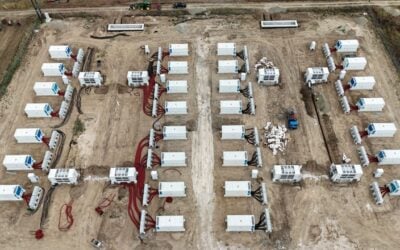
The deadline has now passed for Bulgaria’s EU-backed support scheme for standalone energy storage, and the bids submitted amount to four times the available capital available.
Some 151 project bids for support were submitted for the scheme, which will provide up to 1.154 billion BGN (€590 million/US$540 million) for up to 50% of the construction costs of 3.1GWh of standalone energy storage projects.
The bids meanwhile total five billion BGN of requests for financial support, the Ministry of Energy said last week (6 December), more than four times higher. Minister Vladimir Malinov commented:
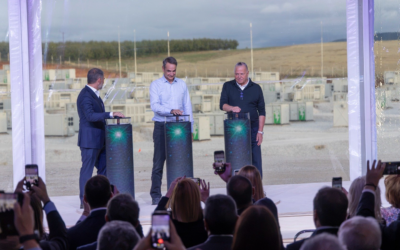
“I am satisfied with the serious interest in the construction of renewable energy storage facilities. This is a guarantee for a significant increase in the share of renewable energy in the energy mix, fully in line with the challenges related to the European Green Deal and the carbon-free future of the energy sector. The successful implementation of battery projects will significantly contribute to the security of the energy system in Bulgaria and the region.”
Try Premium for just $1
- Full premium access for the first month at only $1
- Converts to an annual rate after 30 days unless cancelled
- Cancel anytime during the trial period
Premium Benefits
- Expert industry analysis and interviews
- Digital access to PV Tech Power journal
- Exclusive event discounts
Or get the full Premium subscription right away
Or continue reading this article for free
The scheme was opened by the Ministry in May, and approved by the EU last month. It was approved under the Temporary Crisis and Transition Framework, which helps countries mitigate the negative economic effects of Russia’s invasion of Ukraine, and will be fully funded through the bloc’s Recovery and Resilience programme.
The €650 billion Recovery and Resilience fund was set up in light of the Covid-19 pandemic, but has gone on to support renewables and storage across the continent – and it fully funds the Temporary Crisis and Transition Framework.
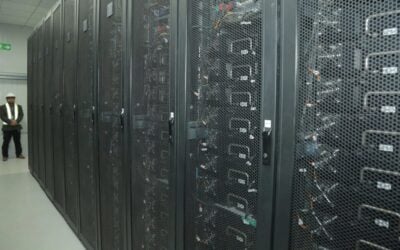
Bulgaria’s energy storage tender is open to all technologies, but most projects are likely to have proposed lithium-ion battery energy storage systems (BESS) and Malinov mentioned battery projects in his comment. The scheme aims to support standalone projects that will help integrate renewable energy in Bulgaria, and each project can receive a maximum of 148 million BGN (US$80 million) in support.
The Ministry didn’t clarify when winning projects would be announced, but said that they will need to be online by March 2026 and their progress will be assessed in May 2025.
It follows the results from a similar scheme in Bulgaria which provided financial support for renewables and energy storage projects, which saw some 3,095MW of renewables and 1,176MWh of projects win support, announced last month.
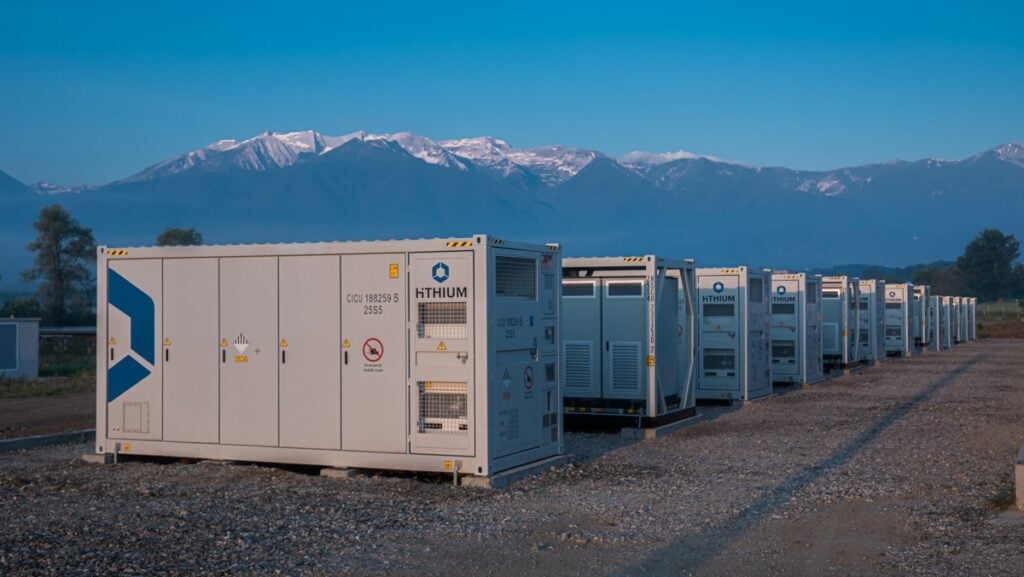
The largest BESS online today in Bulgaria is a 25MW/55MWh system deployed by independent power producer (IPP) Renalfa and lithium-ion and BESS manufacturer Hithium.
Energy storage in the Central and Eastern Europe (CEE) region is expected to soar in the next few years, with EU-backed schemes like this often providing the initial jump start before commercial models are mature enough for the broader industry to stand on its own.
The region was the focus of Solar Media’s Energy Storage Summit CEE in September. Since the event, similar support schemes for storage have progressed in Lithuania, Poland and Hungary.
In related news, the EU said on 29 November that Bulgaria had not yet satisfactorily met the conditions for a portion of its total €5.69 billion in grant funding under Recovery and Resilience. The portion reportedly totals €653 million, separate to the above scheme, is related to delays in specific reforms needed to access the funding.