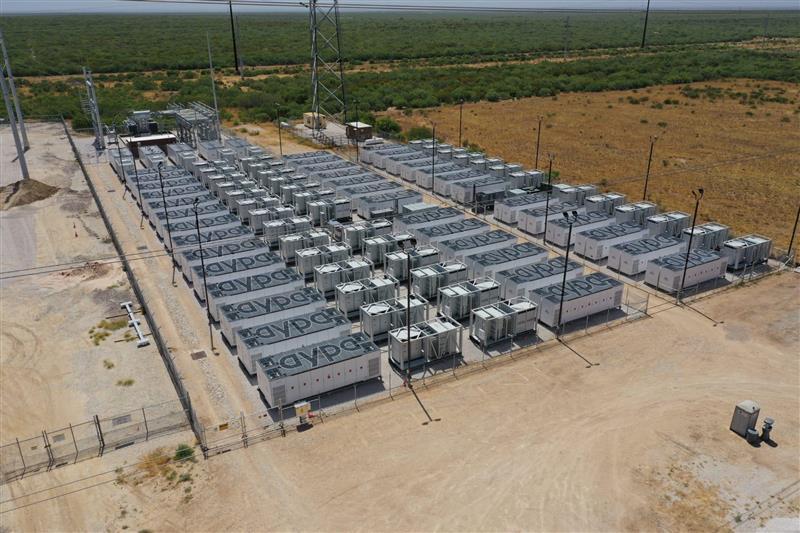
Energy storage developer-operator Aypa Power has secured a US$1.05 billion credit facility, upsizing its corporate credit facility closed in July of 2024 to accelerate the deployment of its pipeline.
The US$1.05 billion credit facility is comprised of a US$300 million term loan, a US$200 million revolving credit facility and a US$550 million letter of credit facility.
Aypa claimed that its July 2024 credit facility of US$650 million was the largest in the energy storage industry. That facility replaced the company’s previous facility of US$320 million.
That transaction was led by Apterra Infrastructure Capital, Banco Santander S.A., ING Capital, Nomura Securities International, Société Générale and Sumitomo Mitsui Banking Corporation, as coordinating lead arrangers, Bookrunners, and green loan coordinators.
Try Premium for just $1
- Full premium access for the first month at only $1
- Converts to an annual rate after 30 days unless cancelled
- Cancel anytime during the trial period
Premium Benefits
- Expert industry analysis and interviews
- Digital access to PV Tech Power journal
- Exclusive event discounts
Or get the full Premium subscription right away
Or continue reading this article for free
It is unclear if all participating financial institutions from the previous transaction participated in the US$1.05 billion credit facility, but Banco Santander and Nomura participated in both the US$320 million facility and the US$650 million facility.
With the July 2024 facility, Moe Hajabed, CEO of Aypa Power noted that it would be used to accelerate the company’s backlog of over 3GW of battery storage and clean energy projects over the next 24 months.
In the same month, Aypa signed a contract for the 250MW/1,000MWh Signal Butte battery energy storage system (BESS) with Arizona utility Salt River Project (SRP).
The next month, the company secured financing commitments worth US$323 million for its 150MW/600MWh BESS project in Boise, Idaho.
Aypa’s activity continued throughout the year in California, Arizona and Texas.
In March of this year, solar PV and BESS firm Canadian Solar secured battery supply and long-term service agreements for two BESS projects developed by Aypa in Texas and California.