Swedish-based developer OX2 has had its 270MWh Muswellbrook solar-plus-storage site approved by the New South Wales Independent Planning Commission, subject to conditions.
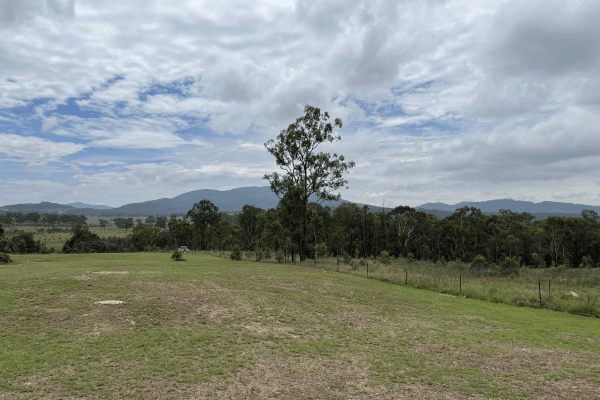
The solar-plus-storage site, which will see a 135MW/270MWh battery energy storage system (BESS) co-located with a 135MW solar PV power plant, will be situated within the site of a former coal mine that closed in 2022.
OX2’s project is called the Muswellbrook Solar Farm, and it takes its name from the nearby town 2.5km to the west of the proposed site.
Muswellbrook is a town in the Upper Hunter region of New South Wales, and it is recognised for its coal mining, horse breeding, and established wine industries.
Try Premium for just $1
- Full premium access for the first month at only $1
- Converts to an annual rate after 30 days unless cancelled
- Cancel anytime during the trial period
Premium Benefits
- Expert industry analysis and interviews
- Digital access to PV Tech Power journal
- Exclusive event discounts
Or get the full Premium subscription right away
Or continue reading this article for free
The project will be situated within one of New South Wales’ five Renewable Energy Zones (REZs), which the Energy Corporation of New South Wales (EnergyCo) has deemed “modern power stations.”
Specifically, the proposed project will be within the Hunter-Central Coast REZ, which, according to our sister site PV Tech, received nearly 40GW of hopeful applicants in 2022 looking to connect to it.
The project will connect to the National Electricity Market (NEM) via a connection to a 132kV transmission line owned by electricity distribution company Ausgrid.
Public objections lead to conditional requirements for OX2
The development application was assessed by the Department of Planning, Housing and Infrastructure and referred to the Independent Planning Commission for determination because more than 50 public objections were made to the Department during its assessment of the project.
In its Statement of Reasons for Decision, the Commission found that the site was “suitable for the project given its location within the Hunter-Central Coast REZ and its consistency with the applicable strategic land use planning framework and relevant statutory requirements”.
The Commission said it assessed the proposal’s local, regional, and statewide benefits, impacts, and risks and found that it was in the public interest.
However, in light of the public objections, the Commission has granted approval for the site given that it meets certain requirements.
For instance, the developer must prepare a traffic management plan, developed in consultation with the local Council and Transport for New South Wales, and a voluntary planning agreement with the Council to deliver benefits to the community.
It also requires creating a comprehensive waste management plan that identifies ways to maximise the recycling of solar module-related waste. A detailed biodiversity management plan will also be necessary to minimise vegetation clearing and avoid unnecessary disturbances.
Furthermore, an accommodation and employment strategy must be established to ensure adequate housing for the workforce without impacting local accommodations. Finally, a comprehensive decommissioning and rehabilitation plan is required to address the project’s end-of-life.