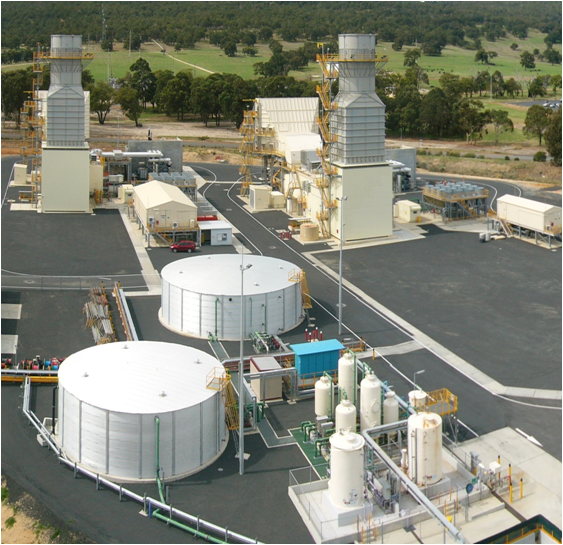
Energy generator-retailer Alinta Energy will deploy a battery energy storage system (BESS) in Western Australia at the site of one of its thermal power plants.
The utility company serves more than a million customers in Australia and New Zealand, including the Pilbara mining region and southwestern areas of Western Australia, encompassing state capital Perth.
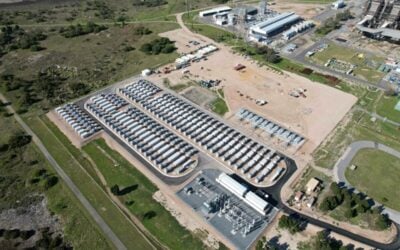
Alinta Energy said yesterday that it will build a 100MW/200MWh (2-hour duration) BESS at Wagerup Power Station, a dual-fired 380MW gas and distillate generation facility which acts as peaking capacity to Western Australia’s power grid, the South West Interconnected System (SWIS).
The site is about 120km from Perth, and construction is set to commence “immediately,” Alinta said, with commissioning scheduled to begin in the second half of 2024. The project will be connected to existing high voltage transmission infrastructure at Wagerup Power Station.
Try Premium for just $1
- Full premium access for the first month at only $1
- Converts to an annual rate after 30 days unless cancelled
- Cancel anytime during the trial period
Premium Benefits
- Expert industry analysis and interviews
- Digital access to PV Tech Power journal
- Exclusive event discounts
Or get the full Premium subscription right away
Or continue reading this article for free
The appointment of key contractors Shanghai Electric Power Design Institute (SEPD) Australia, a local subsidiary of SEPD, which is in turn owned by Power Construction Corporation of China (POWERCHINA), and Australian solar PV and battery provider Sunterra, was also announced.
Western Australia is home to a thriving mining and metals industry centred around the Pilbara, driving strong demand for electricity, while at the same time, the SWIS is a self-contained grid without interconnection to other states’ grids.
It is outside of the National Electricity Market (NEM) which covers much of the more populated eastern and southern states in Australia.
All of this means the state is likely to need a significant installed base of energy storage resources in years to come as the transition to renewable and low-carbon energy sources continues and accelerates.
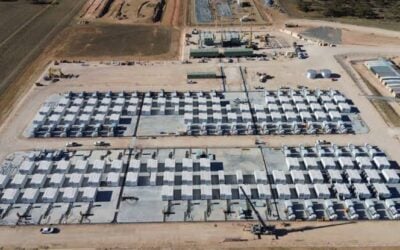
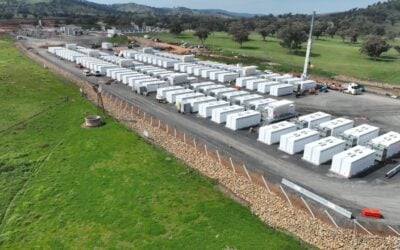
The Western Australian government welcomed the start of commissioning of the first large-scale BESS within its borders in May. Delivered by state-owned utility Synergy in Kwinana, a local government area near Perth, the project is also 100MW/200MWh, and is being followed up with another BESS at the same site, supported through the 2023-2024 state budget which included AU$3 billion of clean energy investments.
Those projects were deemed critical to help Western Australia (WA) integrate high shares of rooftop solar PV into the SWIS by premier Mark McGowan and energy minister Bill Johnston. It appears Alinta Energy’s BESS will instead help the grid cope with industrial and mining loads, although a statement from the company only referred to its applications being to stabilise and backup the grid in southwest WA.
Alinta Energy has been privately owned by Hong Kong-based Chai Tow Fook Enterprises since 2017. However the owner is reported to have been looking to offload its investment for just over a year, with all of its assets in the Pilbara part of a sale that has drawn the attention of major investors and mining companies.
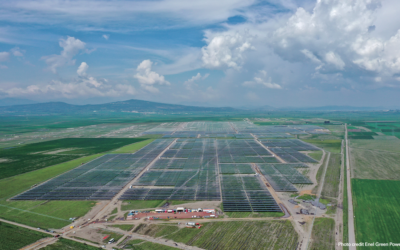
Within Western Australia, the utility is currently also building a 35MW/35MWh BESS at a hybrid solar-plus-storage project aimed at helping decarbonise operation of the local iron ore export industry. That asset will also be built at the site of a dual-fired power plant Alinta Energy owns.