Saudi-based independent power producer (IPP) ACWA Power has signed a PPA with government bodies in South Africa for a solar-plus-storage project with a 1,200MWh BESS.
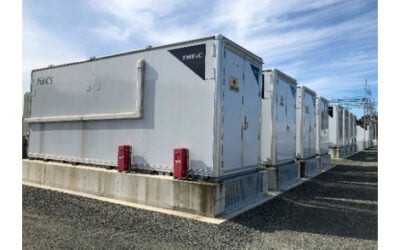
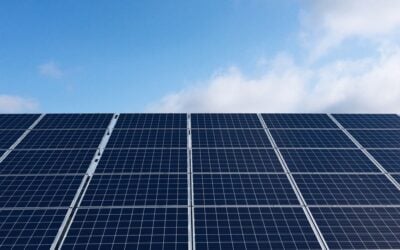
ACWA announced the signing on an implementation agreement and a power purchase agreement (PPA) for its Project DAO yesterday (18 December). The project combines 442MW of PV with a 1,200MWh battery energy storage system (BESS) and is scheduled to come online in the second quarter of 2026.
The announcement said the project will have ‘150MW of dispatchable power’, which may indicate either the terms of the PPA or the power rating of the BESS.
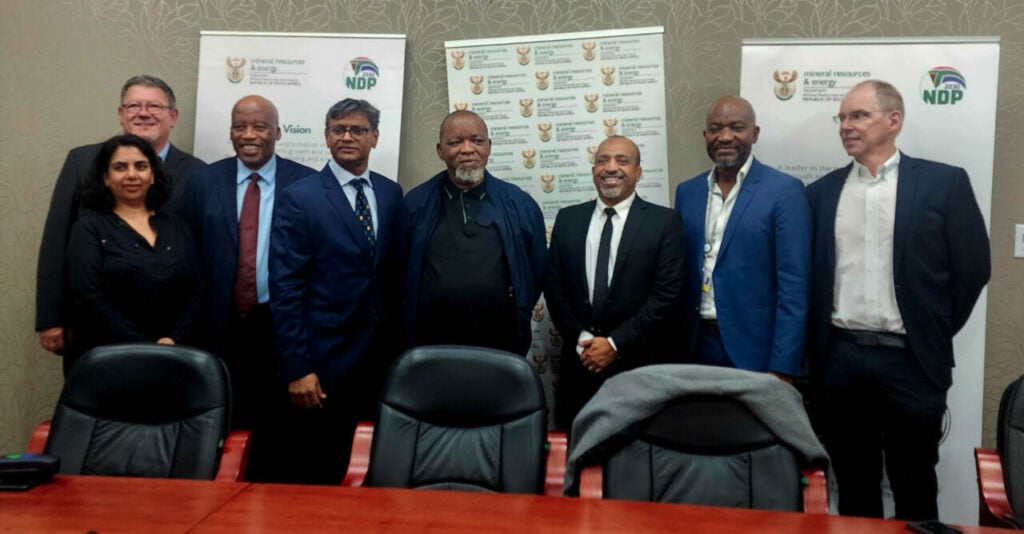
The Minister of Mineral Resources and Energy of South Africa, Gwede Mantashe, signed the implementation agreement while Segomoco Scheppers, senior general manager at transmission system operator (TSO) Eskom, signed the PPA.
Try Premium for just $1
- Full premium access for the first month at only $1
- Converts to an annual rate after 30 days unless cancelled
- Cancel anytime during the trial period
Premium Benefits
- Expert industry analysis and interviews
- Digital access to PV Tech Power journal
- Exclusive event discounts
Or get the full Premium subscription right away
Or continue reading this article for free
Project DAO was declared as one of the preferred bidders in the Risk Mitigation IPP Procurement Program (RMIPPPP) in 2021. Another project from that, a solar plus 1,440MWh BESS unit from Norway-headquartered IPP Scatec, started operations recently. Two from EDF Renewables, wind-plus-storage and solar-plus-storage projects, are set to come online in 2025.
TotalEnergies starts building solar-plus-storage project
French energy giant TotalEnergies has started construction on a solar-plus-storage project in South Africa, with a power generation capacity of 216MW and a battery output of 75MW/500MWh.
The project, in the country’s Northern Cape province, is owned by three companies: TotalEnergies and Hydra Storage Holding, both of which hold a 35% stake in the project, and Reatile Renewables, which owns the remaining 30%. The developers have signed a 20-year power purchase agreement with South African national utility Eskom to acquire power generated at the project, and TotalEnergies and its partners expect to commission the facility in 2025.
While none of the companies involved announced technological specifications for the project, its leaders expressed optimism about the benefits of the combination of solar and storage functions at the project.
“Together with our partners, we are pleased to launch this major solar power generation and storage project in South Africa,” said TotalEnergies senior vice president of renewables Vincent Stoquart. “Thanks to its innovative hybrid design, it will enable us to supply continuous green electricity over a longer period and beyond the hours of sunshine.”
See the original version of the TotalEnergies article on PV Tech.