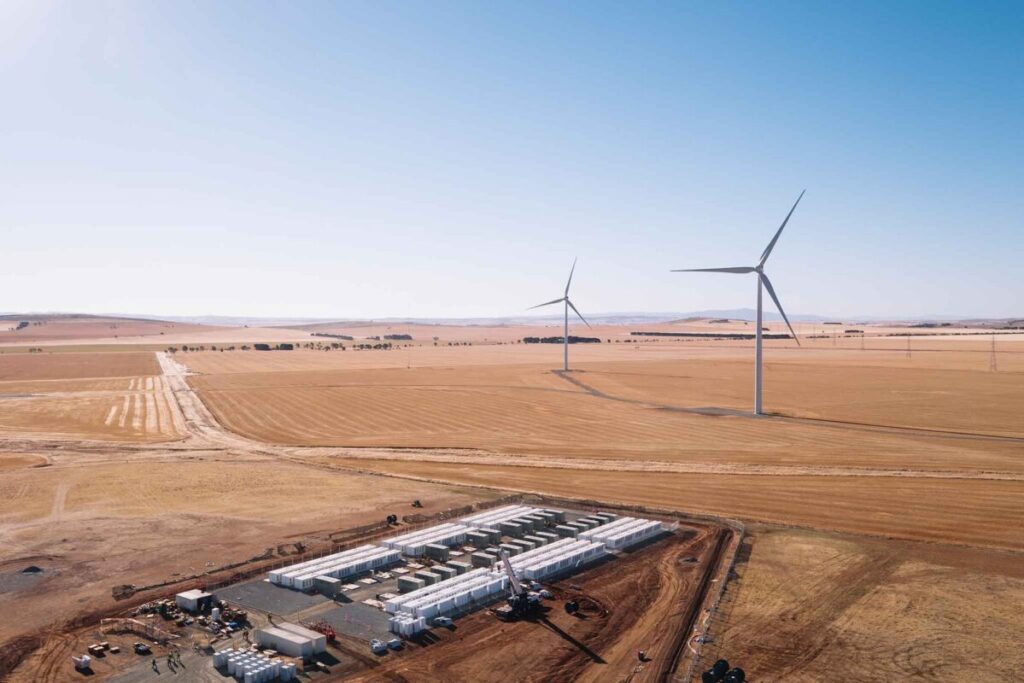
A joint venture (JV) between TotalEnergies and Eren Groupe has submitted a 6GWh solar-plus-storage project for environmental approval in Australia’s Northern Territory (NT).
This marks the first phase of what is planned to be the region’s inaugural solar-powered green hydrogen production and export operation.
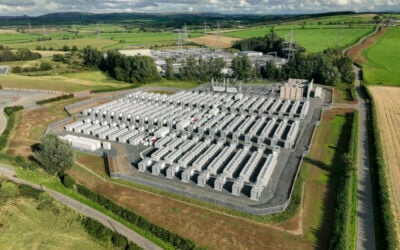
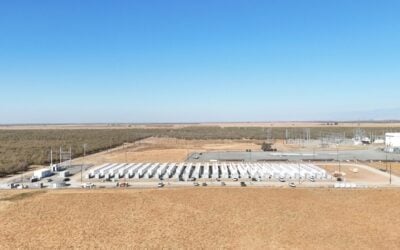
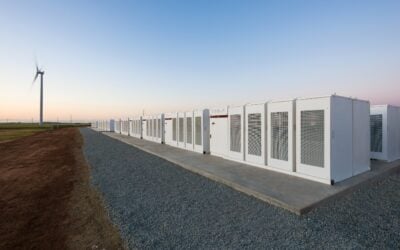
The Wak Wak Solar Farm, located approximately 48km southeast of Darwin in the Litchfield Local Government Area, features up to 2.7GWp of solar PV capacity paired with a 6GWh battery energy storage system (BESS).
The project has been referred under Australia’s Environment Protection and Biodiversity Conservation (EPBC) Act, with the proponent identifying potential impacts on seven EPBC-listed threatened species.
Try Premium for just $1
- Full premium access for the first month at only $1
- Converts to an annual rate after 30 days unless cancelled
- Cancel anytime during the trial period
Premium Benefits
- Expert industry analysis and interviews
- Digital access to PV Tech Power journal
- Exclusive event discounts
Or get the full Premium subscription right away
Or continue reading this article for free
Darwin H2 Project Nominee, acting as trustee for the Darwin H2 Hub Project Trust, is developing the facility on behalf of TE H2, a joint venture dedicated to gigawatt-scale multi-energy projects globally. TotalEnergies holds an 80% stake in the venture, with Eren Groupe holding the remaining 20%.
The solar PV power plant is designed to generate renewable energy for the existing industry in the Greater Darwin Region and to power a planned green hydrogen production facility at the Middle Arm Precinct.
Meanwhile, the broader Darwin H2 Hub aims to produce more than 80,000 tonnes of hydrogen derived from renewable energy annually.
Site selection and environmental considerations
The project area spans up to 3,400 hectares, with a disturbance footprint of up to 2,500 hectares identified through extensive ecological surveys. Darwin H2 has incorporated 900 hectares of wildlife corridors between sections of the disturbance footprint, which will require ongoing management throughout the project’s operational life.
The site was deliberately selected in areas of compromised habitat quality to minimise impacts on biodiversity values.
According to the EPBC Act application, fire frequency mapping reveals that most of the project area has burned 20 or more times since 2000, with some northern sections experiencing late-season burns approximately 12 times during that period.
This highly detrimental fire regime has severely reduced the midstorey vegetation and contributed to widespread infestations of Gamba Grass, a declared weed under the Northern Territory’s Weeds Management Act.
The project design has avoided known sacred sites, flood-prone areas, high-quality vegetation, threatened species habitats, and threatened flora records.
Most of the project area sits on a perpetual pastoral lease, with smaller portions on freehold land. Access is proposed from the Arnhem Highway, with the exact route subject to consultation with relevant authorities and a traffic impact assessment.
Transmission infrastructure and staged development
While the solar PV power plant itself forms the core of this EPBC referral, the project is intrinsically linked to planned transmission infrastructure that would transmit renewable energy to the Middle Arm Precinct.
An overhead transmission line is planned to run within an existing Northern Territory government utilities corridor, approximately 30km long and 50 metres wide, forming part of the wider Territory Energy Link currently under design by the NT government.
The transmission line has been excluded from this environmental referral due to ongoing commercial negotiations and coordination with the NT government for use of the nominated utilities corridor.
Darwin H2 has indicated that ownership and operation of the overhead transmission line may ultimately rest with the NT government as a shared corridor accommodating multiple proponents and various types of public infrastructure.
The project is currently at the concept design stage, with the potential for staged development over its operational life.
Works will include land clearing and site preparation, construction of solar PV and BESS infrastructure, ongoing operation and maintenance, including periodic cleaning of solar arrays, and potential repowering after 30 years of operation before eventual decommissioning and site rehabilitation.
The Energy Storage Summit Australia 2026 will be returning to Sydney on 18-19 March. It features keynote speeches and panel discussions on topics such as the Capacity Investment Scheme, long-duration energy storage, and BESS revenue streams. ESN Premium subscribers receive an exclusive discount on ticket prices.
To secure your tickets and learn more about the event, please visit the official website.