
More needs to be done to cement energy storage’s vital role in European energy resilience, writes Teresa Casacchia, head of storage at Baywa r.e.
The green energy revolution in Europe is undoubtedly gaining speed. In 2024, the production share of renewables reached 47% – up from 34% in 2019, according to global energy think tank Ember.
However, meeting the EU target of climate neutrality by 2050 requires even greater momentum and accelerated renewable energy deployment. This calls for a transformation of the European energy system and increased flexibility in response to a more volatile energy market.
One factor that can help this scale-up is battery energy storage systems (BESS). Whether standalone or paired with PV and Wind, they play an increasingly crucial role in decarbonising the energy system and enhancing energy resilience.
Try Premium for just $1
- Full premium access for the first month at only $1
- Converts to an annual rate after 30 days unless cancelled
- Cancel anytime during the trial period
Premium Benefits
- Expert industry analysis and interviews
- Digital access to PV Tech Power journal
- Exclusive event discounts
Or get the full Premium subscription right away
Or continue reading this article for free
These benefits are reflected in how mainstream BESS has become across the European energy market. In 2024, a record 3.7GW of battery storage was added, bringing the total to 10.8GW in Europe, according to Aurora Energy Research figures. And energy intelligence group Aurora’s projections suggest this figure could surpass 50GW by 2030, with investments of around €80 billion (US$94.67 billion).
But despite this rate of progress, more is needed to meet the EU’s renewable energy targets and enable system owners to build truly profitable, resilient energy solutions.
The biggest BESS challenges and how to overcome them
Despite the many benefits of BESS, numerous challenges remain. To explore this in more detail, below are some of the biggest obstacles we collectively need to overcome to ensure green BESS momentum isn’t wasted.
Grid access and fair tariffs
One of the most pressing challenges for storage deployment lies in how projects connect to the grid and how they are charged for access. Current rules often favour speculative applications and impose disproportionate costs on storage assets, such as double or even triple bank guarantees for hybrid projects.
Reforming this landscape means shifting from a “first-come, first-served” to a “first-ready, first-served” approach with clear quality standards that ensure serious projects move forward.
Transparent grid data and milestone tracking would help unblock stalled developments, while flexible connection agreements tailored to storage could compensate for non-firm access. At the same time, tariff structures must evolve – eliminating unfair charging fees, introducing time-of-use signals, and reflecting the locational value of storage as a resilience provider.
Safety, standards and market integration
Beyond grid rules, storage must be embedded in a coherent technical framework. Safety remains paramount, particularly for utility-scale lithium-ion systems, where harmonised guidelines across Europe would provide confidence to regulators and communities alike.
A standardised permitting reference guide would further streamline environmental and land use approvals.
On the market side, storage should be fully integrated into capacity, balancing, and ancillary services markets, ensuring that its flexibility is rewarded. Non-fossil capacity mechanisms and renewables auctions that value hybrid projects can accelerate deployment, while pan-European flexibility markets would unlock cross-border efficiency and strengthen interconnection.
Land use, permitting and long-duration energy storage
Permitting remains a bottleneck, especially in urban and industrial zones where storage could deliver immediate benefits. Recognising storage as infrastructure of overriding public interest would help fast-track approvals, while policies for co-location, retrofits, and repowering can reduce friction in the medium term.
Looking ahead, long-duration energy storage (LDES) technologies, capable of seasonal or multiday balancing, require dedicated incentives and inclusion in national flexibility strategies. Their role will be critical in complementing short-duration batteries and ensuring system reliability during extended periods of low renewable energy output.
Policy alignment and industrial strategy
Finally, storage must be safeguarded across Europe’s broader industrial and climate policy frameworks. From the NetZero Industry Act to state aid rules, storage should be explicitly recognised as a strategic technology.
National Energy and Climate Plans (NECPs) must set ambitious targets and clear pathways for flexibility, with governments committing to timely updates in line with Fit for 55 requirements. A strongly interconnected European grid, supported by harmonised certification and cross-border coordination, will ensure that storage assets can participate fully in pan-EU platforms.
Together, these measures will position storage not only as a technical solution but as a pillar of Europe’s energy independence and resilience.
Turbocharging the future
BESS are arguably the backbone of the energy transition because of how they can transform renewable energy and ensure the electricity market is fit for the future.
The good news for the future of storage, and renewables more widely, is that the EU commission has already identified a number of these challenges and is working on overcoming them on an EU-wide level. This has prompted many countries to publish storage targets, making it even more essential that there is a clear road to the future of storage.
BayWa r.e. and other renewable companies are seeing the demand for BESS and expect it to continue. We are progressively increasing our pipeline within our core markets in Europe and are actively prioritising BESS.
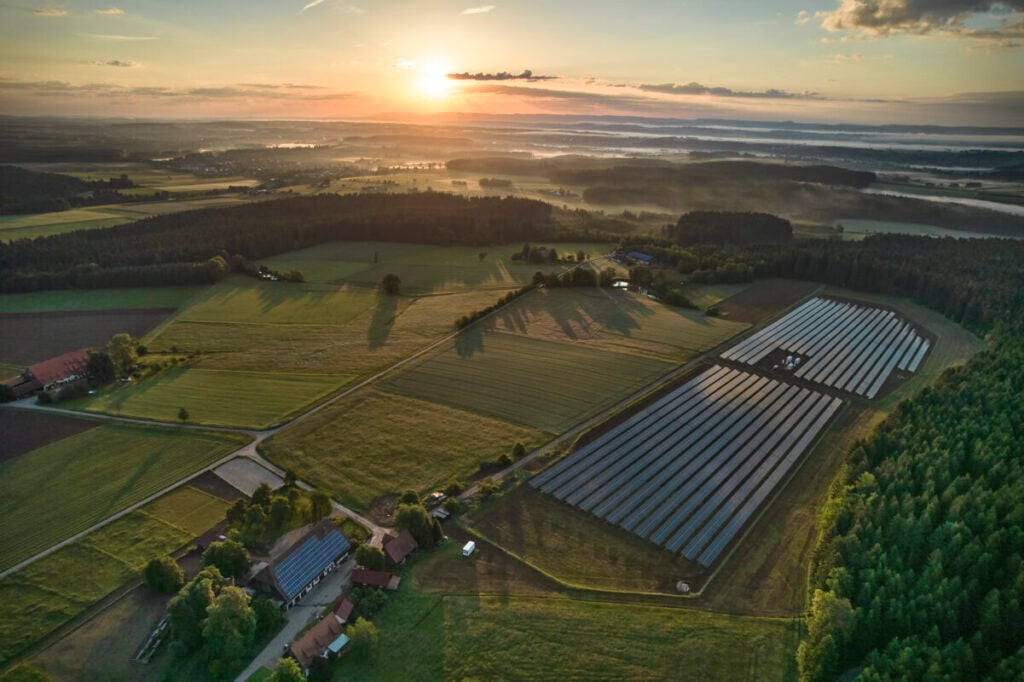
We have already completed some comprehensive hybrids (solar combined with BESS) in Europe, such as Spitalhöfe-Pfaffenweiler in Germany and Sellingen in the Netherlands. In the UK, we have secured approval for a 500MW standalone storage project and developed another project of up to 456MW, which is currently at the pre-planning application stage. BayWa r.e. also continues its industry-level collaboration with trade associations such as SolarPower Europe and Energy Storage Europe (formerly EASE, the European Association for Storage of Energy).
To make the most of energy storage momentum, collectively we must fight hard to remove all obstacles from its path and make the most of all economic and technological opportunities the energy market reserves. If we do, then we’ll continue to stabilise a volatile market and further champion the case for renewable energy.
About the Author
Teresa Casacchia is head of energy storage at global renewable energy developer BayWa r.e. AG. With 15 years of experience across Europe, Latin America and the Asia‑Pacific region, Casacchia’s duties cover the full storage value chain and accelerating stand‑alone and hybrid renewable‑plus‑storage projects. Before joining BayWa r.e., she spent over a decade at the Enel Group, progressing from electric‑vehicle infrastructure development to senior roles in renewable energy across 12 countries.
Energy-Storage.news publisher Solar Media is hosting the Energy Storage Summit EU 2026 in London, UK, on 24-25 February 2026 at the InterContinental London – The O2. See the official website for more details, including agenda and speaker lists. Also, ESN Premium users can get a 30% discount.