Queensland Hydro has launched a public consultation phase for its 2GW Borumba Pumped Hydro Project in Australia.
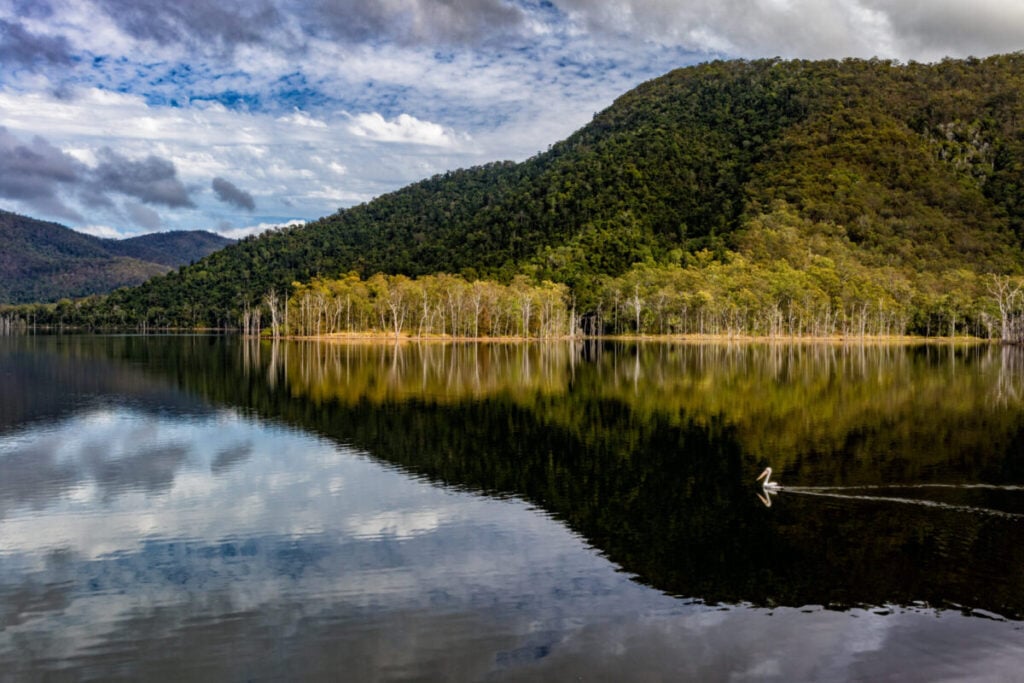
The pumped hydro energy storage system (PHES) will be located at Lake Borumba, near Imbil, west of the Sunshine Coast, and is targeting first power in 2030.
It will cost around AUS$14.2 billion (US$9.6 billion) to develop and build. In June 2023, the Queensland government revealed that it would provide AUS$6 billion in funding for the project.
An Expression of Interest (EOI) has now opened, inviting community members to indicate their interest in one of three initiatives. This includes joining the reformed stakeholder reference group, participating in one of the newly established focus groups, or serving on the community benefits panel.
Try Premium for just $1
- Full premium access for the first month at only $1
- Converts to an annual rate after 30 days unless cancelled
- Cancel anytime during the trial period
Premium Benefits
- Expert industry analysis and interviews
- Digital access to PV Tech Power journal
- Exclusive event discounts
Or get the full Premium subscription right away
Or continue reading this article for free
A community benefits framework has also been confirmed for the project. Due to be finalised later this year, the framework includes an initial AUS$5 million funding package to deliver local mountain bike and walking trails.
Queensland Hydro CEO Kieran Cusack said earlier this year community feedback was sought on how to best deliver lasting, positive benefits through its programs and initiatives.
“We care about our communities and stakeholders and want them to have a say in the process to shape our proposed projects,” Cusack said.
“We’ll work closely and transparently with the community to honour the diverse perspectives and local knowledge they bring. We want to be good neighbours, and this means listening to local communities so we can co-design our projects with their input.”
Queensland’s largest PHES
Queensland is set to become home to numerous PHES projects. The state is looking to provide a flexible solution as its grid continues to integrate renewable energy into its mix as coal-fired power plants are withdrawn.
In June 2023, the state’s largest PHES project, the 5GW Pioneer-Burdekin Pumped Hydro Project, which would offer long-duration energy storage (LDES) over a 24-hour discharge duration, awarded key contracts to progress its development.