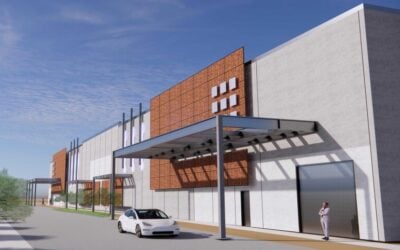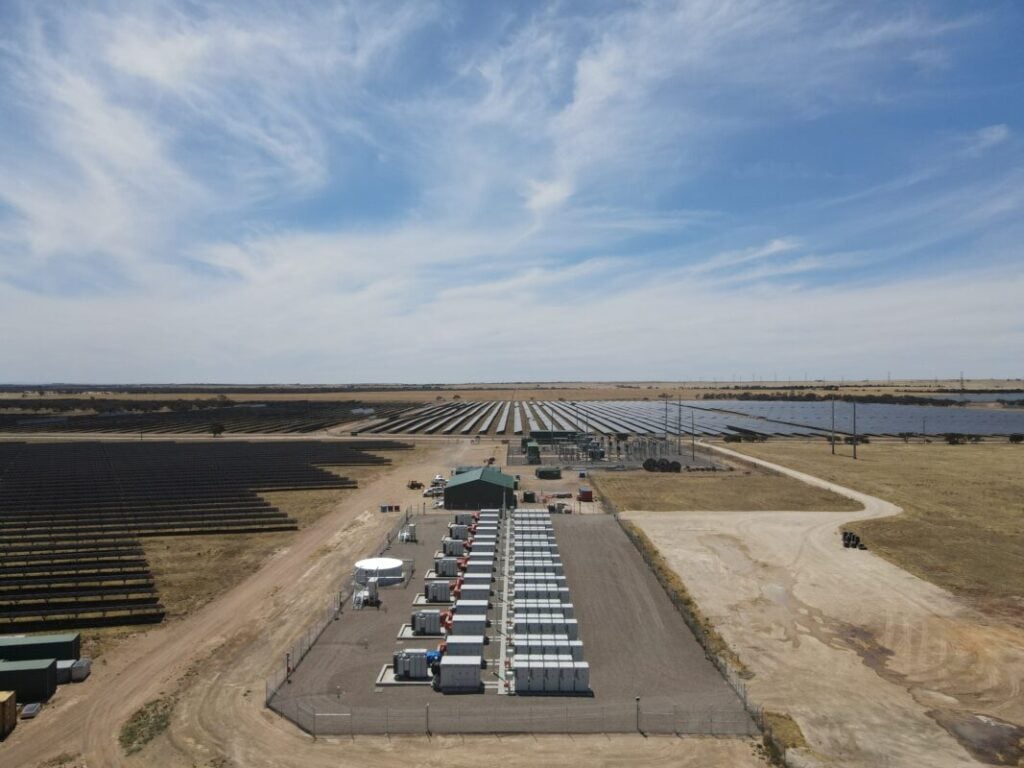
Vena Energy has commenced construction of a large-scale standalone battery energy storage system (BESS) in South Australia, adjacent to two of the company’s existing facilities.
The start of work at the 204MW/408MWh Tailem Bend BESS 3 project was announced this morning by the renewable energy development arm of Singapore-headquartered energy and digital infrastructure solutions provider Vena Group.
It is located in Tailem Bend, a rural town in South Australia, approximately 85 kilometres southeast of the state capital, Adelaide.
Scheduled for commissioning in 2027, it is Vena Energy’s third battery energy storage system (BESS) project in Australia.
Try Premium for just $1
- Full premium access for the first month at only $1
- Converts to an annual rate after 30 days unless cancelled
- Cancel anytime during the trial period
Premium Benefits
- Expert industry analysis and interviews
- Digital access to PV Tech Power journal
- Exclusive event discounts
Or get the full Premium subscription right away
Or continue reading this article for free
It will also be the company’s second BESS deployment at Tailem Bend: a 127MWdc (95MWac) solar PV plant was inaugurated in 2019 at the site, then Tailem Bend 2 Hybrid Project, through which Vena integrated a 41.5MWh battery storage system at the beginning of this year, with a second 118MWdc (87MW) solar PV system completed in 2023.
The developer’s first BESS in the country was the 100MW/150MWh Wandoan South BESS in Darling Downs, Queensland, which went into commercial operation in August 2022. At the time, it was the largest battery storage asset in operation in the northeastern state.
Vena Energy announced approvals for Tailem Bend 3 BESS in April. That was around the time the hybrid second phase was announced as fully commissioned, with the integration of batteries enabling the renewable energy complex’s grid output of solar to increase from 182MW to 223.5MW.
The company emphasised the economic contribution of the projects to the local area. On Tailem Bend 2, 50% of the workforce installing solar came from the local region, including 10% First Nation community members and 14% female workers, and the company recently held outreach and training programmes for adults and primary school students around the new standalone BESS project.
South Australia, part of the interconnection National Electricity Market (NEM), sources around 75% of its annual electricity demand from wind and solar PV and is aiming to achieve 100% net renewable electricity by the end of 2027.
Vena Energy is actively involved in delivering a range of clean energy technologies throughout the Asia-Pacific (APAC) region.
Within Australia, the company develops solar PV, wind and battery storage, including multiple phases of solar PV and BESS installations at Wandoan South and two other sites in Queensland, Tailem Bend in South Australia and two planned large-scale BESS projects in New South Wales (NSW), Belhaven (400MW) and Bellambi (408MW).