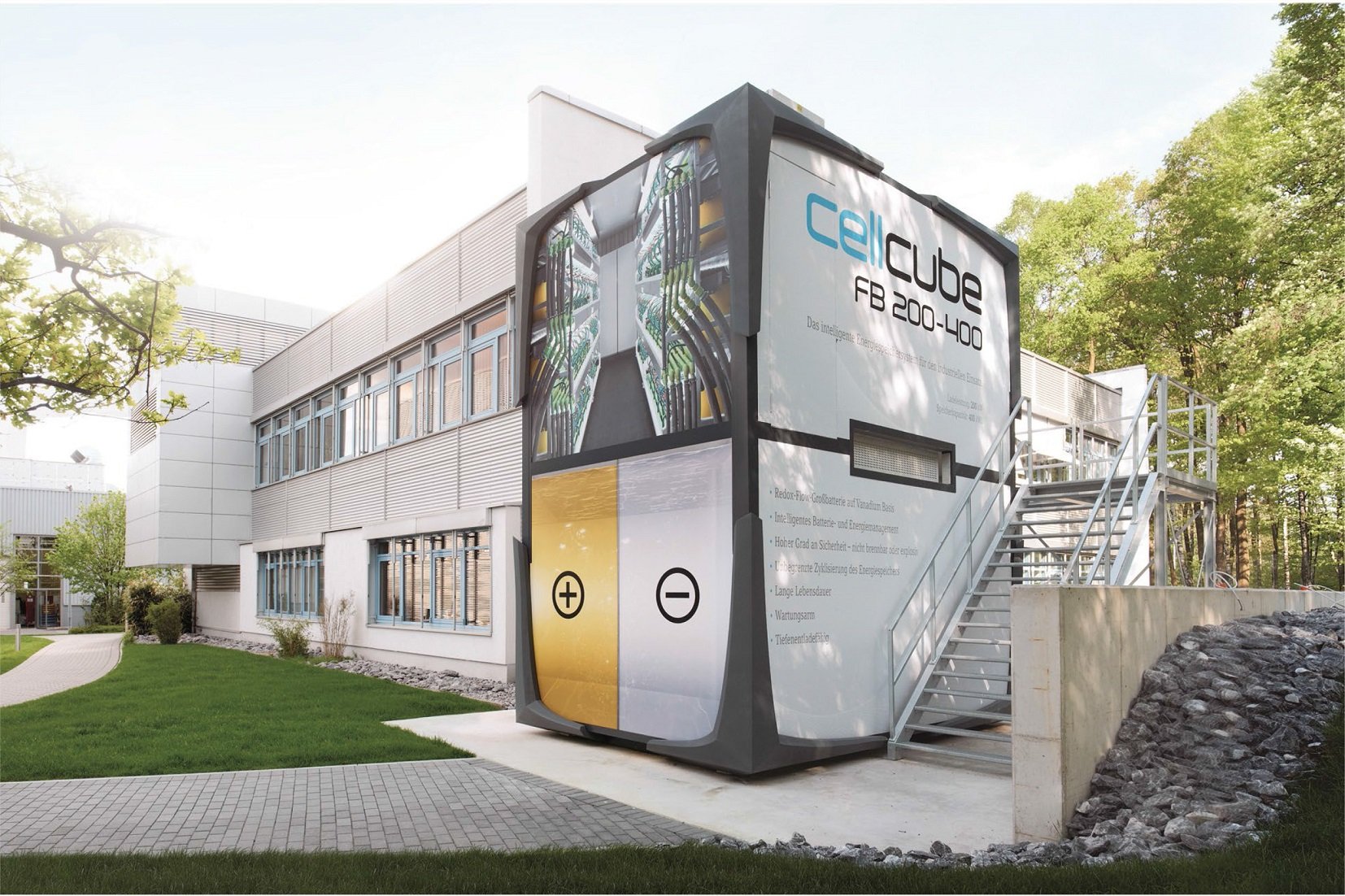
Hive Energy, a UK-based utility-scale solar developer, has entered into a consortium with vanadium redox flow battery manufacturer CellCube and Immersa to jointly build solar-plus-storage projects in the UK.
And the trio already has its first project in the works, expected to complete later this year.
HICC Energy, as the consortium has been billed, was founded last week and will look to bring a portfolio of projects to market utilising third-party project financing.
The trio cited new opportunities for long duration batteries created by the derating methodologies adopted by grid operators in the UK when factoring their capabilities in markets like the country’s Capacity Market.
Try Premium for just $1
- Full premium access for the first month at only $1
- Converts to an annual rate after 30 days unless cancelled
- Cancel anytime during the trial period
Premium Benefits
- Expert industry analysis and interviews
- Digital access to PV Tech Power journal
- Exclusive event discounts
Or get the full Premium subscription right away
Or continue reading this article for free
Those derating factors have been designed to reflect any given project’s capability to respond to energy system stress events over the course of four hours, meaning that projects with longer durations than more prevalent lithium-ion technologies are better reward.
Hive, Immersa and CellCube said those market developments meant that combining solar with long duration storage technologies to be the “most competitive and commercially attractive solution” under current UK regulations.
While Hive will be responsible for the development of grid-connected solar farms under the partnership, Immersa will work on the deployment of CellCube’s vanadium redox flow technology.
Hugh Brennan, managing director at Hive Energy, said the advent of long duration storage becoming available at cost-competitive prices allowed it to offer a “reliable renewable energy supply to the market”.
“Predictable power generation not only offer services at an attractive price to the balancing market but can also enter the short term operating reserve or STOR market which allows access to sources of extra power,” Robert Miles, chief executive at Immersa, added.