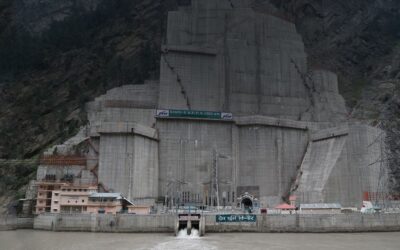
JSW Energy, part of Indian conglomerate JSW Group, has inked a memorandum of understanding with the Chhattisgarh government to build a 1GW pumped hydro storage project.
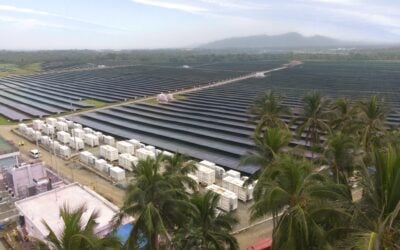
The World Bank’s International Finance Corporation is taking part in a study to assess how technologies like solar-plus-storage hybrids can provide baseload power in the Philippines.
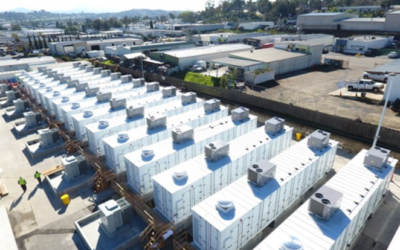
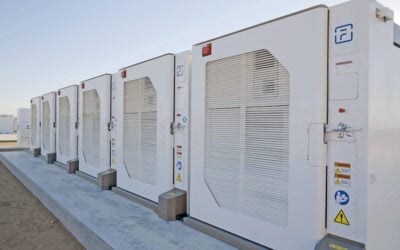
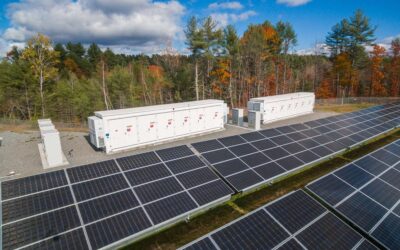
Investor-owned utility SDG&E is turning its first lithium iron phosphate-based battery energy storage system (BESS) online today, while Stanford university says it has hit 100% renewable electricity with the offtake from Goldman Sachs’ recently-commissioned Slate solar-plus-storage project.
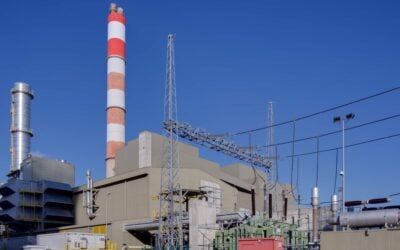
Endesa Generación Portugal, part of Enel, has been award the connection rights to develop a renewable energy project combining solar, wind, green hydrogen and a 168.6MW battery energy storage system (BESS) to replace the country’s last coal station.
Jamaica has received proposals from a consortium of local and international companies to implement a proposed pumped hydro electric storage (PHES) project.
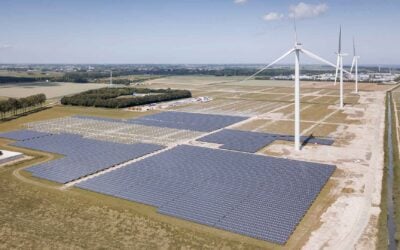
Swedish public utility Vattenfall has opened its Energypark Haringvliet in the Netherlands, which combines wind, solar and a 12MWh battery energy storage system (BESS).
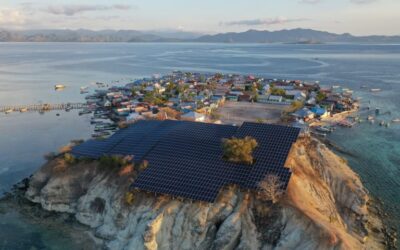
Indonesia’s state-owned utility and battery producer have launched a 5MW battery energy storage system (BESS) pilot project, the first up to 2GW of battery storage it could deploy on its national grid.