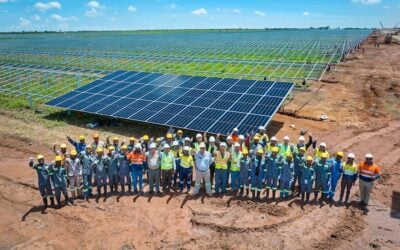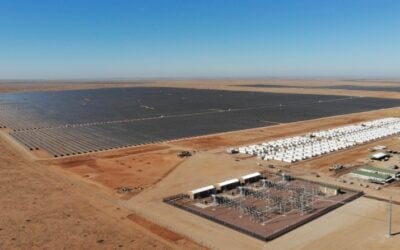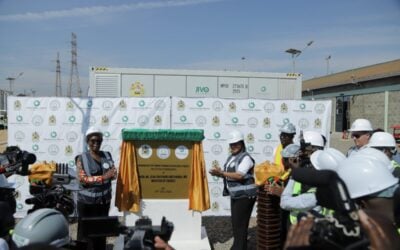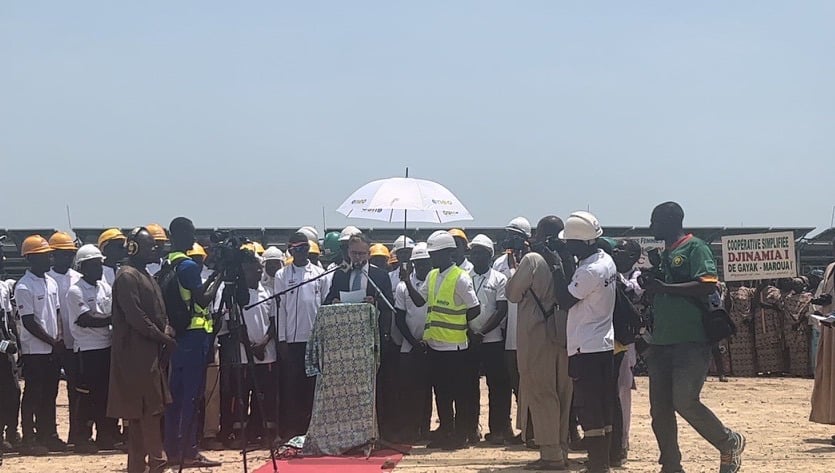
Norway-headquartered renewable energy company Scatec has brought online two solar-plus-storage hybrid resources projects in Cameroon, Africa.
The two projects total 36MW of solar PV generation capacity paired with 20MW/19MWh of battery energy storage system (BESS) technology at the cities of Maroua and Guider, in the Grand North region of Cameroon.
Scatec has delivered projects in a variety of emerging markets around the world representing diverse technologies including solar, wind, hydroelectric, power-to-X and energy storage (both standalone and solar-plus-storage hybridised).
Some notable recent examples in Africa include wins with solar-plus-storage bids in tenders for dispatchable capacity in South Africa, where it has close to 500MW of solar PV in operation, and an agreement with EDF to develop a 7GWh pumped hydro energy storage (PHES) plant in Malawi.
Try Premium for just $1
- Full premium access for the first month at only $1
- Converts to an annual rate after 30 days unless cancelled
- Cancel anytime during the trial period
Premium Benefits
- Expert industry analysis and interviews
- Digital access to PV Tech Power journal
- Exclusive event discounts
Or get the full Premium subscription right away
Or continue reading this article for free
What the company said is particularly special about the Cameroon power plants, is that they have been delivered and are leased to the country’s national electric utility, ENEO, on an energy-as-a-service (EaaS) model. They are connected to Cameroon’s Northern Interconnected Network grid, which suffers frequent outages and other problems, which the Norwegian company claimed its hybrid plants will help mitigate these.
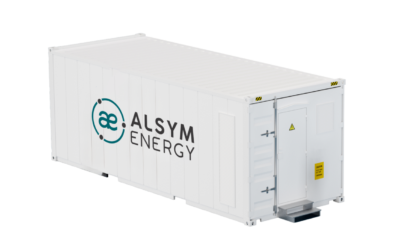
The EaaS model has been dubbed Release by Scatec and in addition to the financial arrangement also seeks to lower the customer’s required upfront capital expenditure by utilising a pre-assembled modular solution that arrives on site as plug and play equipment.
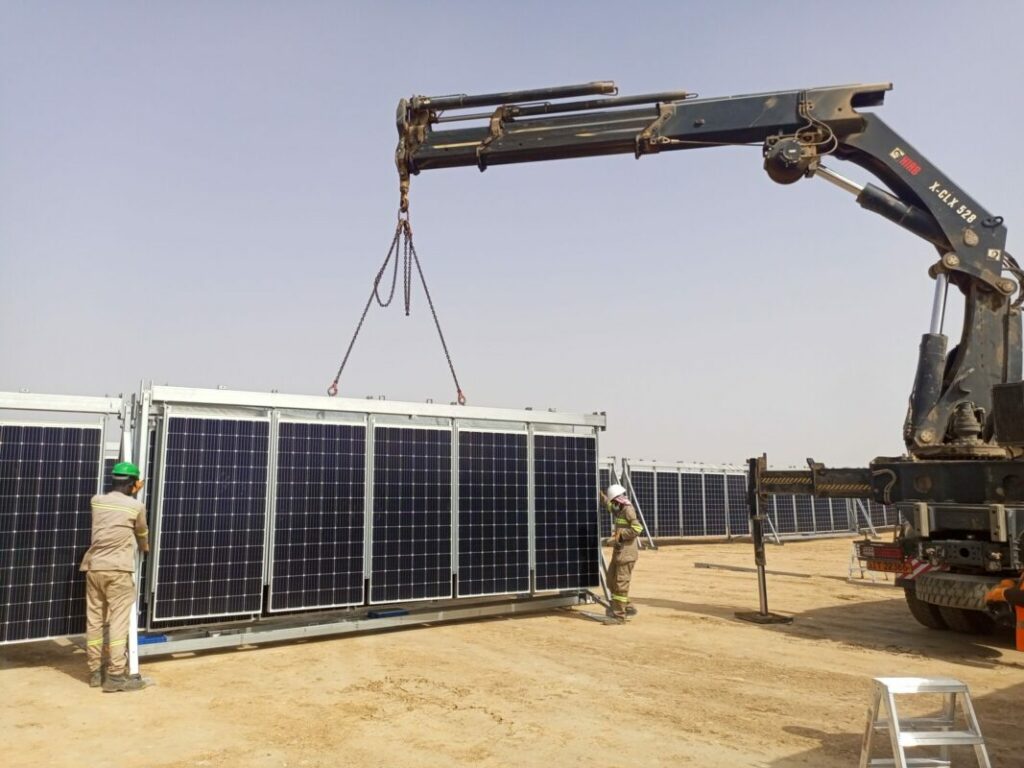
Energy-Storage.news reported on the projects back in December 2021 as the deal was announced, noting that Release by Scatec leases are offered on terms ranging from one-year contracts to much longer term agreements.
The company claimed at that time that pre-assembly means even a small onsite team can install between 1MW to 2MW per week of construction and once deployed are remotely monitored from Scatec’s Control and Monitoring Centre in Cape Town, South Africa.
In fact, the announcement last week of full commissioning represents the final phase of deployment and portions of the power plants have been steadily coming online and generating power throughout 2022, Release by Scatec claimed.
The projects were supported with funding of between 10% and 20% of the development cost by the World Bank’s International Finance Corporation (IFC). In terms of technology, bifacial PV modules and single-axis trackers have been used for the solar portion.