Australian energy firm Genex Power has received first-round board approval from the Northern Australia Infrastructure Facility (NAIF) for potential debt funding of its 270MW solar PV and 250MW pumped hydro projects, that are part of the Kidston Renewable Energy Hub, in Northern Queensland.
These huge projects are Phase Two of the Hub development, following an initial 50MW solar project for which Genex is progressing with construction on schedule and within budget, according to a company release. First generation from the Phase One project is expected in Q4 this year, with full completion in Q1 2018. The 50MW project reached financial close in February.
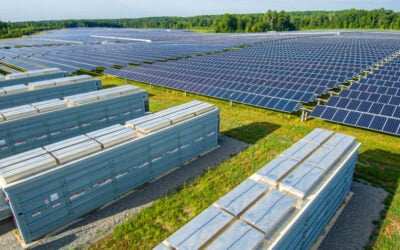
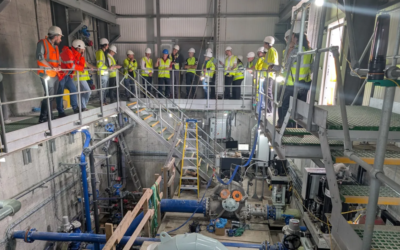
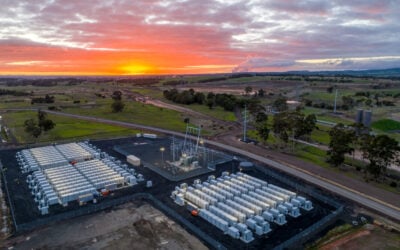
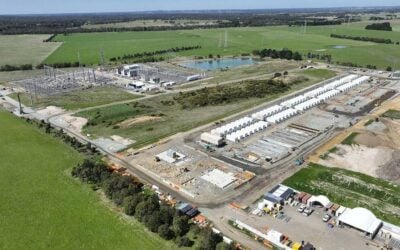
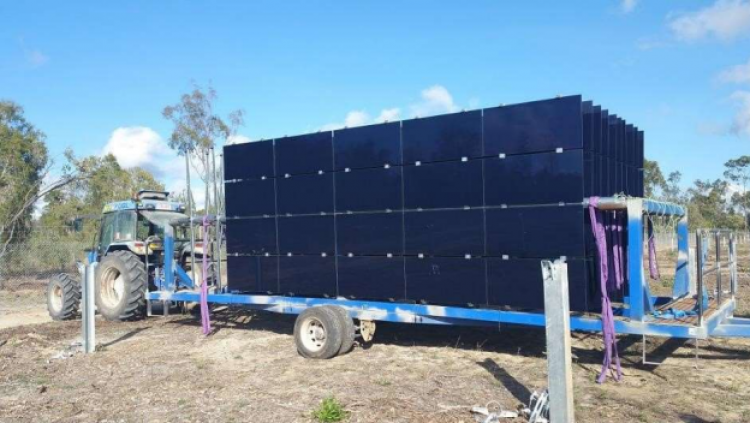
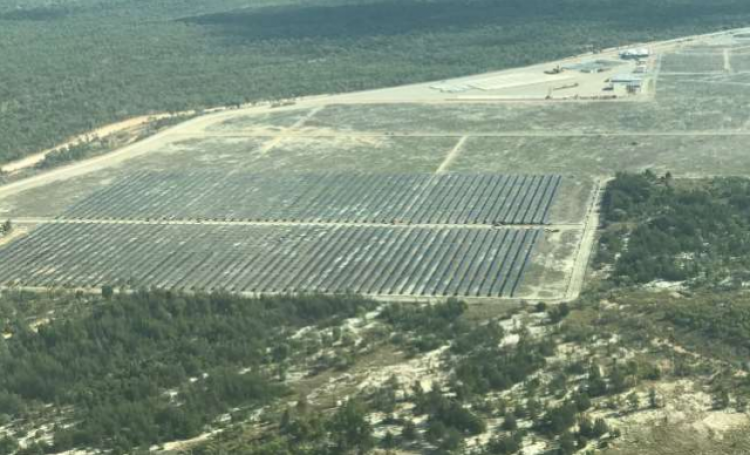
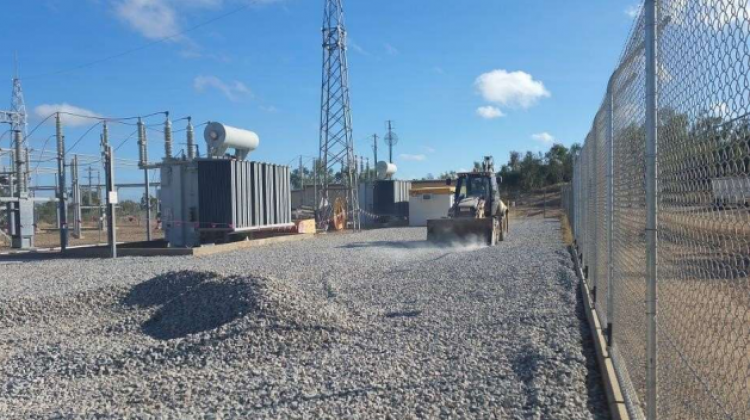
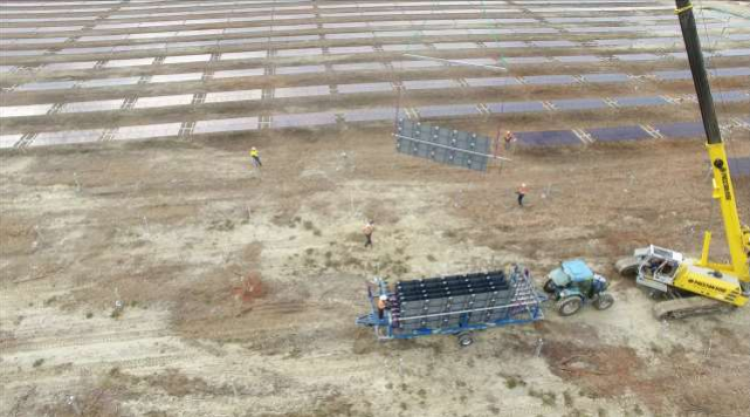
Genex provided a number of pictures showing the first 50MW phase being put together:
Try Premium for just $1
- Full premium access for the first month at only $1
- Converts to an annual rate after 30 days unless cancelled
- Cancel anytime during the trial period
Premium Benefits
- Expert industry analysis and interviews
- Digital access to PV Tech Power journal
- Exclusive event discounts
Or get the full Premium subscription right away
Or continue reading this article for free
Genex Power managing director Michael Addison said: “The Project was recently declared by the Queensland Government as a Critical Infrastructure Project in conjunction with the Phase Two Projects (270MW Solar and 250MW Pumped Hydro), 275kV transmission line easement and the Copperfield Dam easement.”
Genex is now focusing its attention on the Phase Two projects, seeking energy partners, debt financing and energy infrastructure firms.
The second phase is particularly interesting given that it will potentially pair the solar generation with pumped hydro, allowing for 24-hour power from renewables. Genex published a study at the end of last year that the company claimed showed it would be technically feasible to connect the PV plant with the pumped hydro facility.