A jury has found in favour of US utility companies Consumers Energy and DTE Energy in their case against Toshiba Corporation for “defective” work to upgrade a pumped hydro energy storage (PHES) facility.
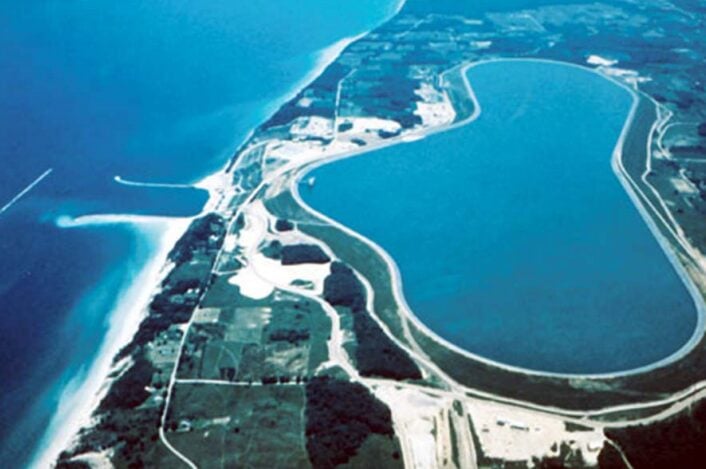
Consumers Energy and DTE hired Toshiba Corporation subsidiary Toshiba American Energy Systems (TAES) to overhaul the 1,875MW Ludington Pumped Storage Plant in Michigan in 2011, in a contract reportedly worth around US$500 million.
The pair alleged that the refurbishment, which began in 2015, resulted in defects being discovered four years later. Operational issues now mean that some units at Ludington can only run for around 50 hours per year.
A case was brought in 2022, apparently after repeated attempts to remedy defects only brought temporary and unsatisfactory solutions and the hiring of an independent contractor, Voith Hydro, to assess the work and create a repair plan.
Try Premium for just $1
- Full premium access for the first month at only $1
- Converts to an annual rate after 30 days unless cancelled
- Cancel anytime during the trial period
Premium Benefits
- Expert industry analysis and interviews
- Digital access to PV Tech Power journal
- Exclusive event discounts
Or get the full Premium subscription right away
Or continue reading this article for free
In early August, Judge F. Kay Behm in the US District Court for the Eastern District of Michigan, Southern Division, ruled against a Toshiba interlocutory appeal to prevent trial by jury. DTE and Consumers Energy sought more than US$800 million in damages.
A Consumers Energy representative emailed Energy-Storage.news with an update that on 19 December, a jury returned a verdict in the trial, awarding financial damages.
“Consumers Energy and DTE Energy appreciate the jury’s service, deliberation and verdict,” the spokesperson said.
“We hold ourselves and our contractors to the highest standards to do safe, dependable, on-time work that serves our customers, and feel validated the jury agreed Toshiba did not meet those standards. We will continue to operate the Ludington Pumped Storage plant reliably and will always go to bat for our customers.”
The spokesperson said the verdict ruled for US$394 million in financial damages, which with the addition of costs including pre-judgement interest and fees means the total will exceed US$500 million.
Calling it a “huge win for our customers,” the spokesperson said the plant will be repaired “to provide needed energy for Michigan.”
As Consumers Energy’s only pumped hydro plant, Ludington plays a “significant role” in meeting the state’s energy needs, the utility spokesperson said, while the utility intends to file its new Energy Supply Plan blueprint for the development of energy sources, including battery storage, by the middle of 2026.
The Energy Storage Summit USA will be held from 24-25 March 2026, in Dallas, TX. It features keynote speeches and panel discussions on topics like FEOC challenges, power demand forecasting, and managing the BESS supply chain. For complete information, visit the Energy Storage Summit USA website.