North Carolina-headquartered utility Duke Energy has agreed to sell a minority stake in a roughly 1.2GW portion of its renewable energy portfolio to the John Hancock Infrastructure Fund (JHIF) and John Hancock Life Insurance Company (U.S.A), for US$1.25 billion.
The portfolio, that includes solar, wind and energy storage assets, is owned and operated by company subsidiary, Duke Energy Renewables, which intends to continue growing its clean energy business using the funds from the transaction to reduce future debt issuance needs. The transaction is expected to close in the second half of 2019.
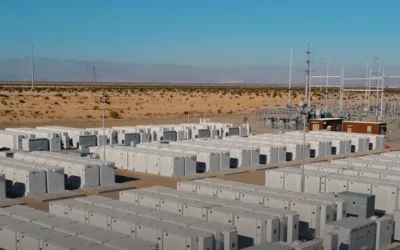
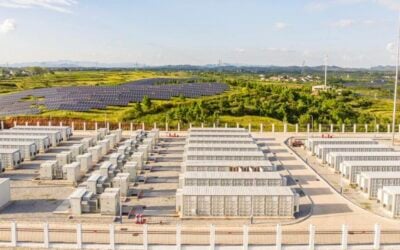
Specifically, Duke will sell a 49% stake in 37 operating wind, solar and battery storage assets, as well as 33% in a further 11 operating solar assets across the US.
Duke Energy is active in the storage space with plans to spend US$500 million on batteries (equal to around 300MW of capacity) over the next 15 years in both North and South Carolina, and is planning North Carolina’s two largest batteries to date.
Try Premium for just $1
- Full premium access for the first month at only $1
- Converts to an annual rate after 30 days unless cancelled
- Cancel anytime during the trial period
Premium Benefits
- Expert industry analysis and interviews
- Digital access to PV Tech Power journal
- Exclusive event discounts
Or get the full Premium subscription right away
Or continue reading this article for free
Asset manager John Hancock, a division of Manulife Financial Corporation, will also have the right to acquire a minority interest in certain additional wind and solar projects in the future, offering further potential growth capital to Duke Energy in the future.
Rob Caldwell, president of Duke Energy Renewables, said: “We will continue to develop projects, grow our portfolio and maintain overall operational responsibilities for the projects just as we do today. John Hancock’s investment offers clear validation of the strength of our existing portfolio, and this partnership provides an opportunity for ongoing collaboration and investment as we deliver long-term value to our customers and investors.”
Duke Energy has 51GW of generation capacity, while, Duke Energy Renewables has a total portfolio of 3GW. Just this week, the renewables division acquired the 150MW North Rosamond solar project in Kern County, California, from Clearway Energy Group. It is also planning to buy 602MW of renewable energy assets in North Carolina.